table of contents
You’re a skilled SOC analyst or cloud security engineer hunting for your next role. Yet, with nearly 5 million cybersecurity jobs open worldwide, your submissions vanish into the void. Recruiters sift through hundreds daily, so they ignore generic applications.
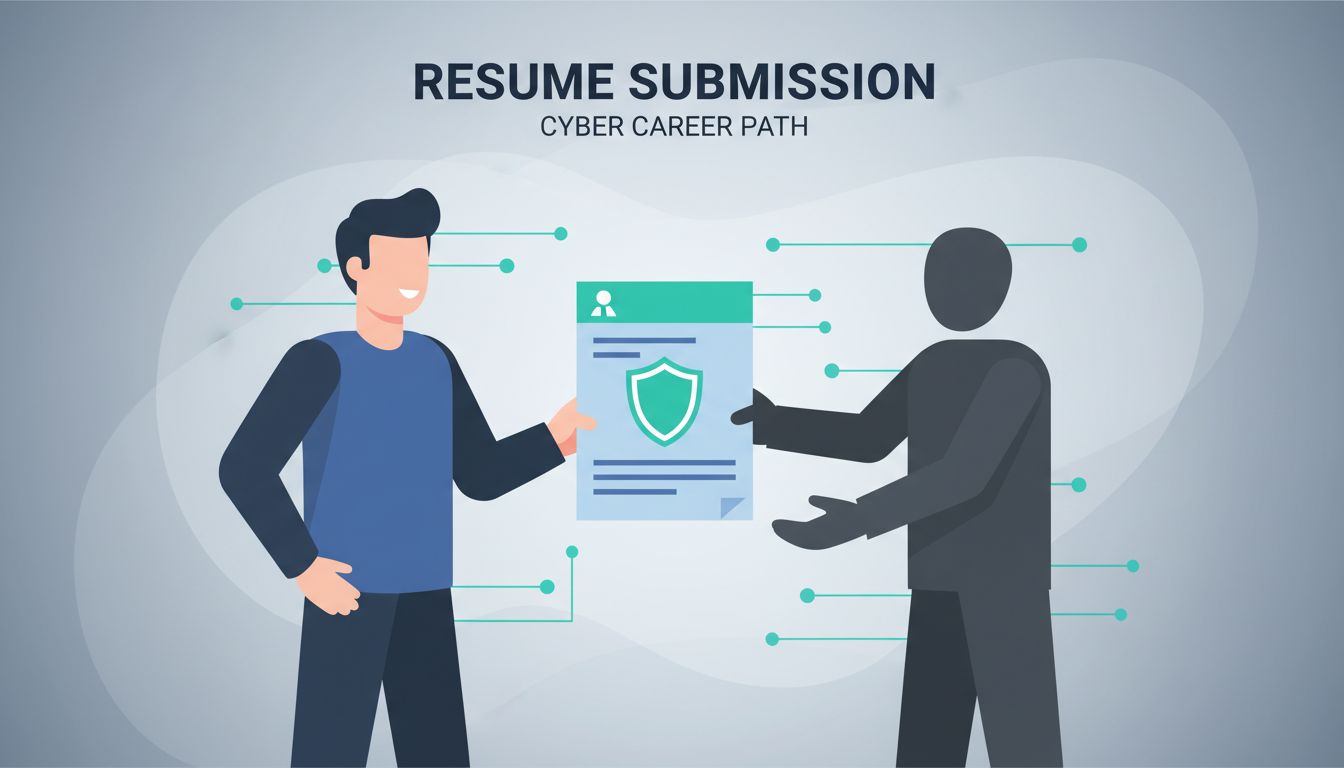
Cybersecurity recruiters prioritize candidates who match exact needs like detection engineering or DevSecOps. You can stand out by tailoring your approach. This guide shows you step by step how to submit effectively and land interviews.
Find Recruiters Who Specialize in Your Niche
Start by targeting specialists, not generalists. Firms focused on cybersecurity handle roles like IAM experts or penetration testers. They know the shortages in AI security and GRC.
Look for agencies with proven track records. For instance, check lists of top performers like those at GoGloby’s 2026 ranking of cybersecurity recruitment agencies. Or explore executive search firms for senior spots.
Research their client lists. Bud Consulting, for example, sources cloud security architects and CISOs for tech firms. Visit recruiter sites and note recent placements. Then, identify three to five who match your experience level.
Email them directly from their “submit resume” pages. Avoid job boards first; recruiters prefer proactive candidates. This step alone boosts response rates because it shows initiative.
Prepare Your ATS-Friendly Resume
ATS systems filter 97% of resumes before human eyes see them. Make yours parse cleanly.
Use standard fonts like Arial or Calibri, 10-12 point. Skip tables, graphics, or fancy headers. Save as .docx or PDF with embedded fonts.
Pack in keywords from job descriptions. For cybersecurity analyst roles, include SIEM, threat detection, MITRE ATT&CK, and Splunk. See ATS tips for cleared pros for more.
Quantify achievements. Instead of “handled incidents,” write “triage 200+ daily alerts in Splunk, reducing MTTR by 40%.” List certifications upfront: CISSP, CompTIA Security+, or CCSP top recruiter searches in 2026, per certification rankings.
Mention clearances like Secret or Top Secret early. Tailor for target roles, such as SOC analyst or cloud security specialist.

Keep it to two pages. Proofread twice; errors kill chances.
Optimize Your LinkedIn for Recruiters
Recruiters search LinkedIn daily for passive talent. Optimize yours to appear in their results.
Update your headline: “Cloud Security Engineer | AWS Certified | Incident Response Expert | Open to US Remote Roles.” Add a banner photo showing a secure network graphic.
In the about section, lead with value. “5+ years in DevSecOps, built CI/CD pipelines securing microservices for fintech clients. Reduced vulnerabilities by 60% via automated scans.” Include skills like Azure Sentinel, Terraform, and NIST frameworks.
Pin recent projects. For pen testers, link a GitHub repo with red team tools. SOC analysts, showcase a write-up of a phishing simulation you led.
Enable “Open to Work” privately. List target roles, salary range ($140K-$180K base), work auth (US citizen, H1B eligible), and prefs (remote, Austin or SF).

Connect with 10 recruiters weekly. Personalize invites: “Saw your post on GRC roles. My ISO 27001 audit experience aligns well.”
Highlight Skills That Match 2026 Demands
Recruiters seek hands-on pros amid shortages. Focus on detection engineering, cloud security, and AI defenses over generic pentesting.
Show tools: EDR like CrowdStrike, SIEM such as Elastic, cloud stacks (AWS GuardDuty, Azure Defender). For incident response, detail playbooks you wrote or IRs led.
Use metrics. “Detected 50+ threats weekly via custom Sigma rules, blocking $2M in potential losses.” GRC specialists, note “Mapped 100+ controls to NIST 800-53, passing SOC 2 audit.”
Build a portfolio. Share anonymized IR timelines or vuln scans on GitHub. Include clearances and certs; CISSP holders earn more and get faster callbacks.

Experience trumps degrees. If entry-level, highlight bootcamps or bug bounties.
Craft Your Outreach and Follow Up
Email subject: “SOC Analyst with Splunk Expertise – Secret Clearance.” Body stays short.
“Hi [Name], I’m a GRC specialist with 4 years in compliance audits. Attached ATS-friendly resume. Targeting midwest remote roles, $150K base. Available for cloud security architect spots. Best, [Your Name].”
Attach resume and LinkedIn URL. No cover letters unless asked.
Follow up in 5-7 days: “Checking in on my submission for DevSecOps roles.” Track in a spreadsheet.
Persistence pays; 59% of teams lack needed skills, so qualified candidates win.
Next Steps to Land Your Role
Tailor everything to recruiter needs, and you’ll cut through the noise. With 500,000 US openings and 33% growth projected, now’s prime time.
Book a Discovery Call with Bud Consulting for CV review. What role are you chasing first? Start submitting today.