table of contents
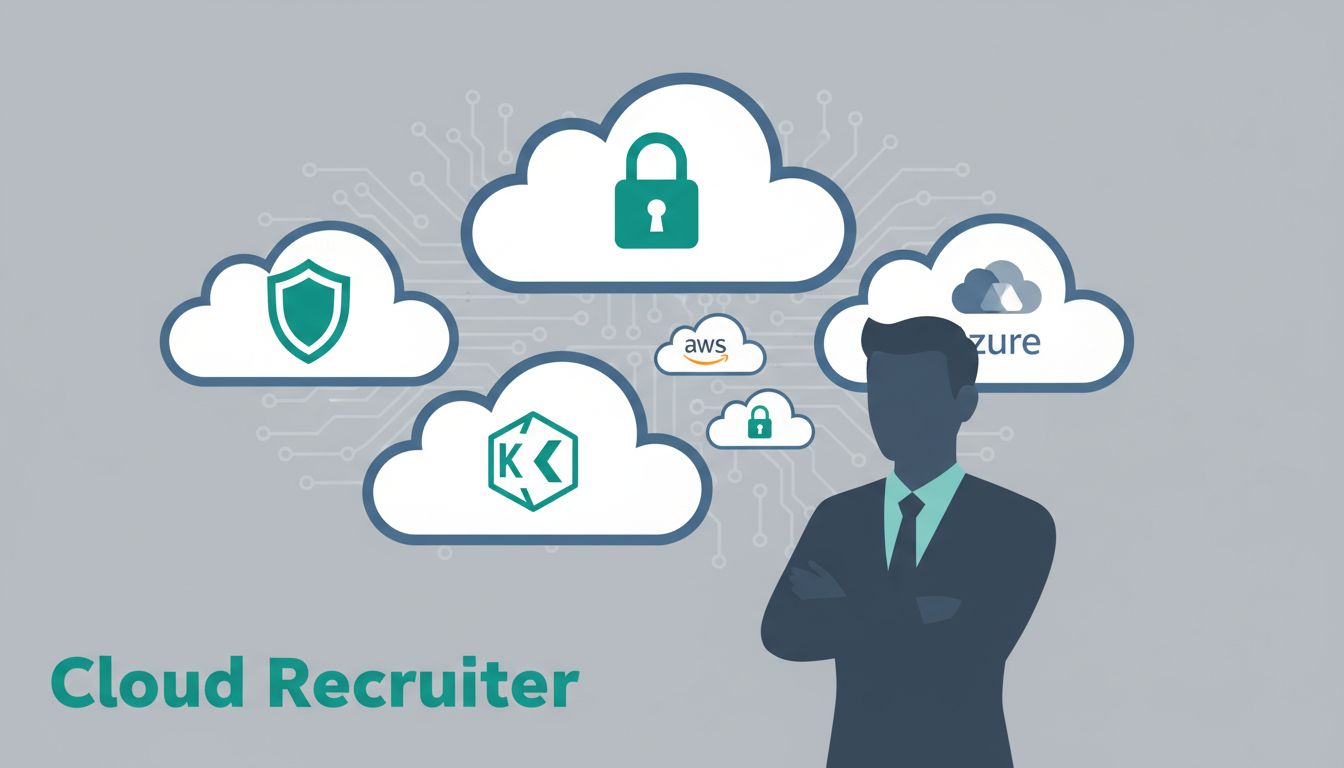
You’re hunting for a cloud security recruiter who knows the difference between a cloud security engineer and a DevSecOps pro. In April 2026, cloud breaches hit 81% of firms, so demand surges for experts in AWS, Azure, and Kubernetes hardening. General recruiters often miss the mark. They push generic IT roles instead.
This leaves job seekers and hiring managers frustrated. You waste time on mismatched fits. A specialist recruiter matches your skills to roles like IAM specialist or security architect. They understand zero trust and AI threat detection trends.
Let’s break down how to spot them. Start with smart searches, then vet their expertise.
Why Specialized Recruiters Beat Generalists for Cloud Roles
Cloud security jobs grow fast. The U.S. faces nearly 500,000 openings because 59% of teams lack skills in cloud-native security and DevSecOps. Recruiters who focus here fill gaps quicker.
General firms cast wide nets. They handle sales or admin too. As a result, they overlook nuances like CSPM tools or Entra ID for IAM. Specialized ones live in cybersecurity daily.
Hiring managers save money this way. Job seekers land interviews faster. For example, a cloud security architect role needs proven Kubernetes experience. Specialists screen for that from day one.
In short, niche recruiters know the certs that matter, like AWS Security Specialty or AZ-500. They connect you to high-trust pros amid the talent shortage.
Where to Search for Your Cloud Security Recruiter
Start on LinkedIn. Search “cloud security recruiter” plus your role, like “DevSecOps recruiter AWS.” Filter by recent posts and mutual connections. Many specialists share job listings or trends weekly.
Professional platforms work next. Check cybersecurity job boards and forums. Sites like Wellfound list cloud security startups hiring now.
Target firms from recent lists too. GoGloby’s 2026 roundup of top cybersecurity agencies highlights players focused on cleared talent.

Attend virtual events. Black Hat or AWS re:Inforce sessions often feature recruiter booths. Follow up via email.
Google targeted queries matter. Try “cloud security engineer recruiter 2026 US.” Avoid broad terms. They pull in volume agencies.
Besides platforms, scan firm sites like CyberTalentHire for federal cloud roles. They post live needs, like SOC analysts or pen testers.
Spot True Expertise in Cloud Security Roles
Look at their track record first. Do they place cloud security engineers regularly? Check LinkedIn profiles for placements in IAM or DevSecOps.
Ask about trends they follow. Real experts mention multi-cloud complexity or supply chain security in CI/CD. Generalists stick to basics.
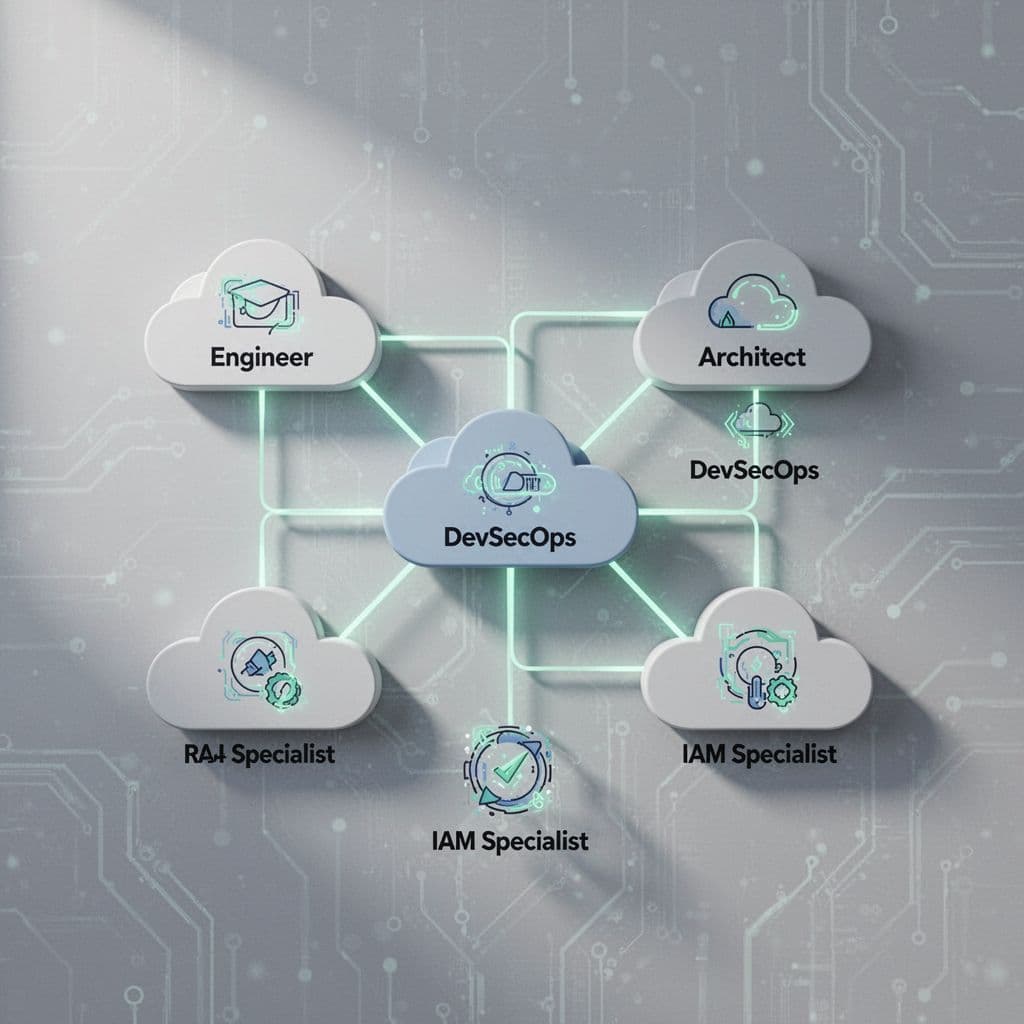
Review their niche. Specialists handle roles like these:
- Cloud security architect: Designs zero trust across AWS and Azure.
- DevSecOps engineer: Automates SAST/DAST in pipelines.
- IAM specialist: Manages PIM, MFA, and conditional access.
- Security consultant: Audits cloud forensics and compliance.
Test them with questions. “How do you vet Kubernetes hardening skills?” Good answers reference hands-on projects over certs alone.
Past clients help too. Nexus IT Group’s list of top recruiters shows firms with verified placements. Cross-check testimonials.
Dodge Red Flags from Low-Quality Firms
Skip recruiters who spam your inbox. They chase volume, not fits. Also, avoid those without cybersecurity focus. General staffing pushes anyone with “security” on a resume.
Watch for vague pitches. If they don’t name tools like Entra ID or trends like AI anomaly detection, pass. High turnover signals issues too.
Overly salesy tones hurt. Pros build partnerships, not transactions. Check response times. Specialists reply fast with tailored advice.
In contrast, quality ones ask about your Python scripts for threat hunting. They align you to open roles immediately.
Build a Relationship That Lasts
Reach out personally. Share your resume and a recent project, like a zero trust setup. This shows initiative.
Meet via video first. Discuss your goals, whether job seeker or hirer. Listen for understanding of 2026 demands, like GDPR in multi-cloud.

Follow up weekly. Update on skills, like new AZ-500 cert. Trust grows over time.
Book a Discovery Call with Bud Consulting if you want vetted options for senior roles.
Nurture multiple contacts. The best fits come from ongoing chats.
Cloud security recruiting boils down to specialists who match real skills to surging needs. You now know where to look, how to vet, and pitfalls to skip. Act today. Search LinkedIn, test expertise, and connect. Your next role waits. What’s your first step?