table of contents
Hiring a strong vulnerability management engineer in 2026 isn’t about matching tool names. The best people can rank risk, explain tradeoffs, and keep remediation moving.
That matters because attack windows are shorter, cloud estates are bigger, and leadership wants fewer surprises. A candidate who only knows how to run scans will slow you down.
The good news is that you can screen for the right signals early. The sections below show what to look for, what to ask, and how to move fast without lowering the bar.
Table of contents
- What a Vulnerability Management Engineer Should Own
- How to Screen for Real Skill
- Interview Questions That Reveal Real Skill
- A 2026 Hiring Framework That Moves Fast
- Salary, Offers, and Close Timing
What a Vulnerability Management Engineer Should Own
A vulnerability management engineer should do more than collect findings. In 2026, the job sits between security, infrastructure, and application teams. That means the person must map assets, spot exposure, score risk, and push fixes through to validation.
Think of the role as a traffic controller, not a scanner operator. Good engineers know which alerts can wait and which ones need same-day action.
GitLab’s Threat & Vulnerability Management roles reflect that shift. The team works with infrastructure, IT, engineering, and product, with an automation-first approach.

How to Screen for Real Skill
Recent 2026 cybersecurity hiring trends point toward cloud, identity, and fraud risk, so the resume filter should favor people who have worked across those layers. Tool names matter, but judgment matters more.
Use a simple screen that looks for evidence, not noise.
| Signal | Strong evidence | Weak evidence |
|---|---|---|
| Risk ranking | Prioritizes by exploitability, asset value, and exposure | Only mentions CVSS |
| Automation | Scripts, APIs, ticketing, dashboards | Manual exports and spreadsheets |
| Cloud scope | AWS, Azure, GCP, identity, SaaS, endpoints | One tool and one network stack |
| Remediation | Tracks fixes, verifies closure, reports trends | Sends findings and moves on |
A high CVSS score isn’t always the biggest business risk.
On the first call, ask for one example where they changed a team’s fix order. If they can’t explain the result, keep looking. Strong candidates talk about owners, impact, and closure, not just findings.
Interview Questions That Reveal Real Skill
Interview time should test judgment, not memorized definitions. A good candidate can explain why an issue matters and what happens next.
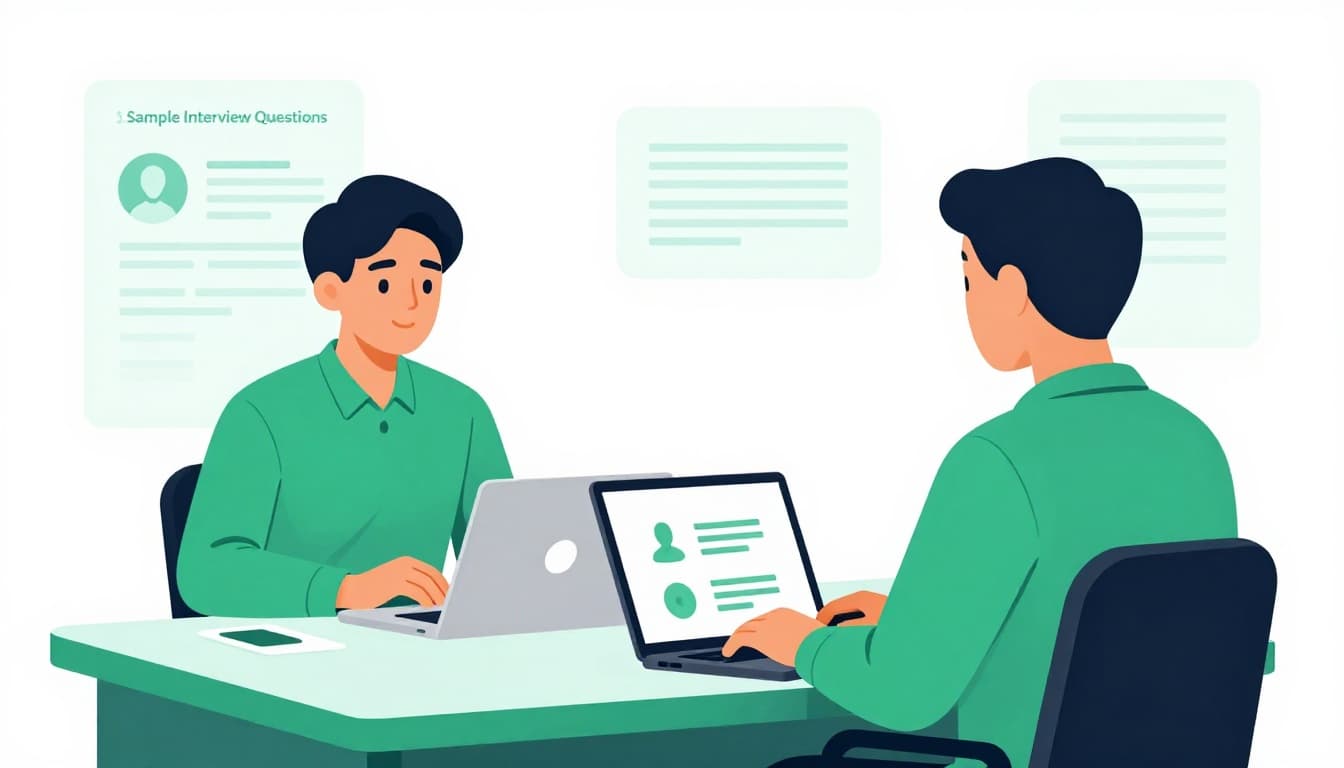
Sample interview questions
- How do you decide what to patch first when hundreds of findings hit at once? Look for business impact, exploitability, and exposure.
- Tell me about a time you reduced false positives. Strong answers include tuning, validation, and better workflow.
- How have you tied vulnerability data to cloud assets or CI/CD pipelines? This shows whether they work beyond the scanner.
- What would you automate in your first 90 days? Good candidates spot repeat work fast.
- How do you explain exposure to a VP who doesn’t know CVSS? Clear language is part of the job.
If every answer sounds like a vendor demo, keep looking.
A 2026 Hiring Framework That Moves Fast
A good process moves in days, not weeks. The best candidates have options, and slow hiring loses them.
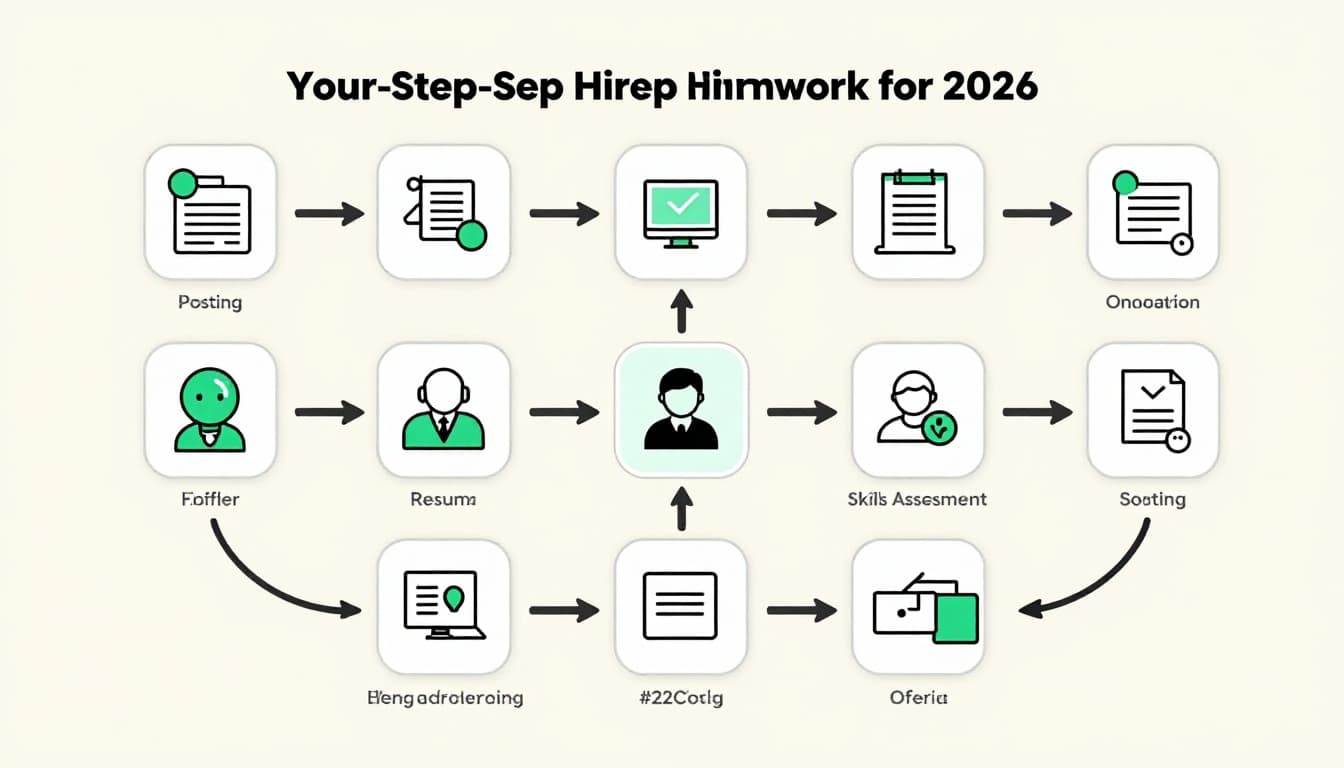
- Write a scorecard first. List the exact mix you need, such as risk triage, scripting, cloud knowledge, reporting, and stakeholder work.
- Use a short recruiter screen. Check how they think, how they speak, and whether they can explain risk in plain English.
- Run a practical exercise. Give them a small set of findings and ask what they’d fix first. Ask why, not just what.
- Bring in one business partner. A platform owner or engineering lead will tell you if the candidate can work across teams.
- Close quickly with a clear offer. Share scope, salary, remote setup, and growth path in one conversation. That helps a lot when candidates compare roles.
If your team needs support finding and vetting the right people faster, Book a Discovery Call with Bud Consulting.
Salary, Offers, and Close Timing
Recent US market data in 2026 puts vulnerability management engineer pay at roughly $100,000 to $244,000 in total compensation, with base pay often landing around $85,000 to $135,000. Location, seniority, cloud depth, and automation scope all move the number.
If you can’t win on base, win on ownership. Candidates notice a clear remit, modern tooling, and the chance to shape remediation work. They also notice delay, so keep feedback tight and final interviews short.
Hire for judgment, not just scan output
The best hire won’t only report findings. They’ll help your team decide what matters, who owns it, and how to prove risk went down.
That’s why 2026 hiring should focus on risk judgment, automation, cloud depth, and communication. Hire for those traits, and the role becomes more than a scanner seat. It becomes a real force multiplier.