table of contents
Cybersecurity consultant rates in 2026 aren’t one neat number. A useful baseline sits between $50 and $190 an hour worldwide, and U.S. freelance consultants average about $144 per hour.
That range can swing fast. A vCISO, a penetration tester, and an emergency incident responder all sit in different pricing lanes.
If you’re budgeting for security help, the smartest move is to compare the role, the scope, and the urgency, not just the headline rate.
What the average hourly rate looks like in 2026
If you need a simple planning number, start with $100 to $200 per hour for many U.S. cybersecurity consulting jobs. That range covers a lot of everyday work, including assessments, advisory support, and smaller specialist tasks.
The broader market still varies a lot. For a wider pricing view, this 2026 cybersecurity consulting cost guide is a useful benchmark when you’re comparing quotes.
| Consultant type | Typical hourly range | Best fit |
|---|---|---|
| Freelance consultant | $100 to $190 | Short projects, niche expertise, smaller teams |
| Boutique firm | $125 to $225 | Multi-skill support, assessments, compliance work |
| Enterprise consultancy | $150 to $300+ | Large programs, regulated industries, executive-facing work |
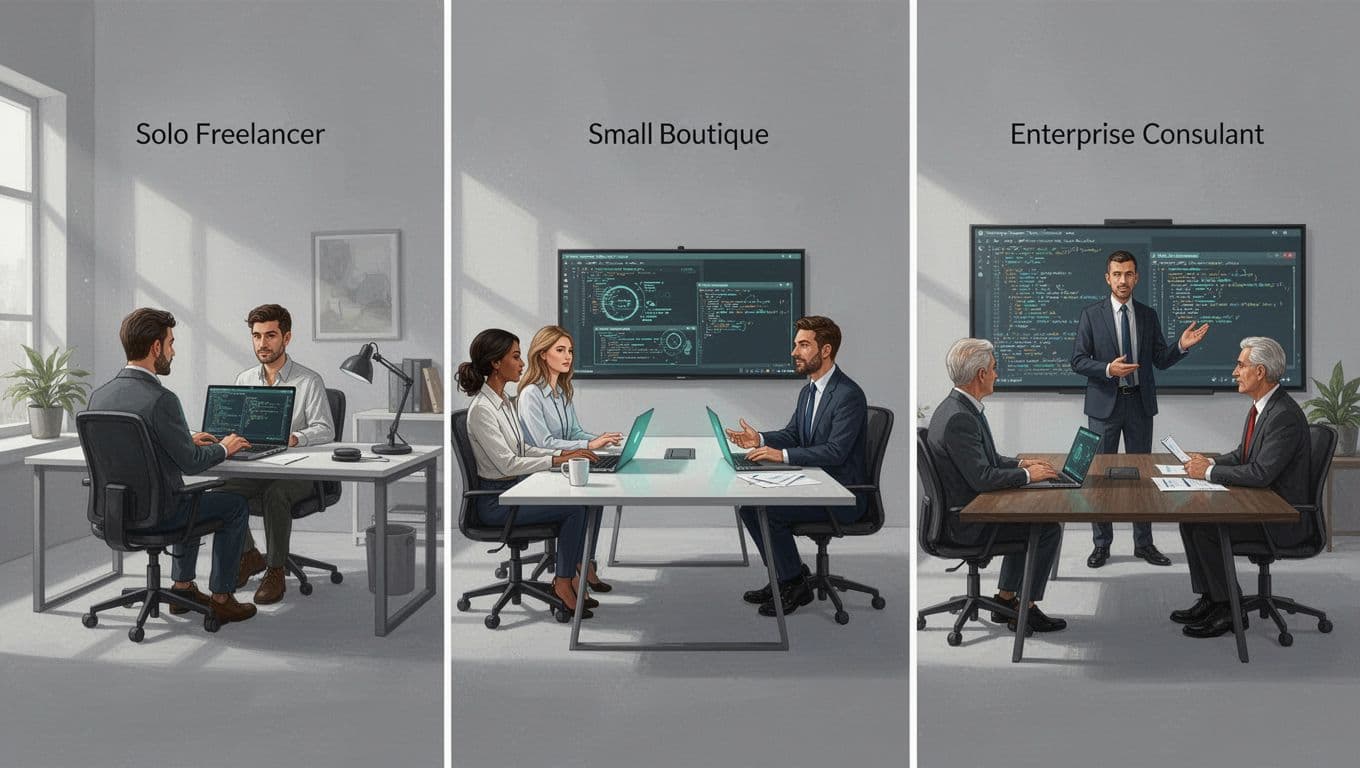
Freelancers often price lower because they have less overhead. Boutique firms sit in the middle because you’re paying for a small team and some process. Enterprise consultancies can cost more because of brand, structure, and senior oversight.
Still, the actual consultant doing the work matters more than the logo on the invoice. A senior specialist can cost more than a large firm’s junior staff, even inside the same contract.
Hourly rates by common cybersecurity service
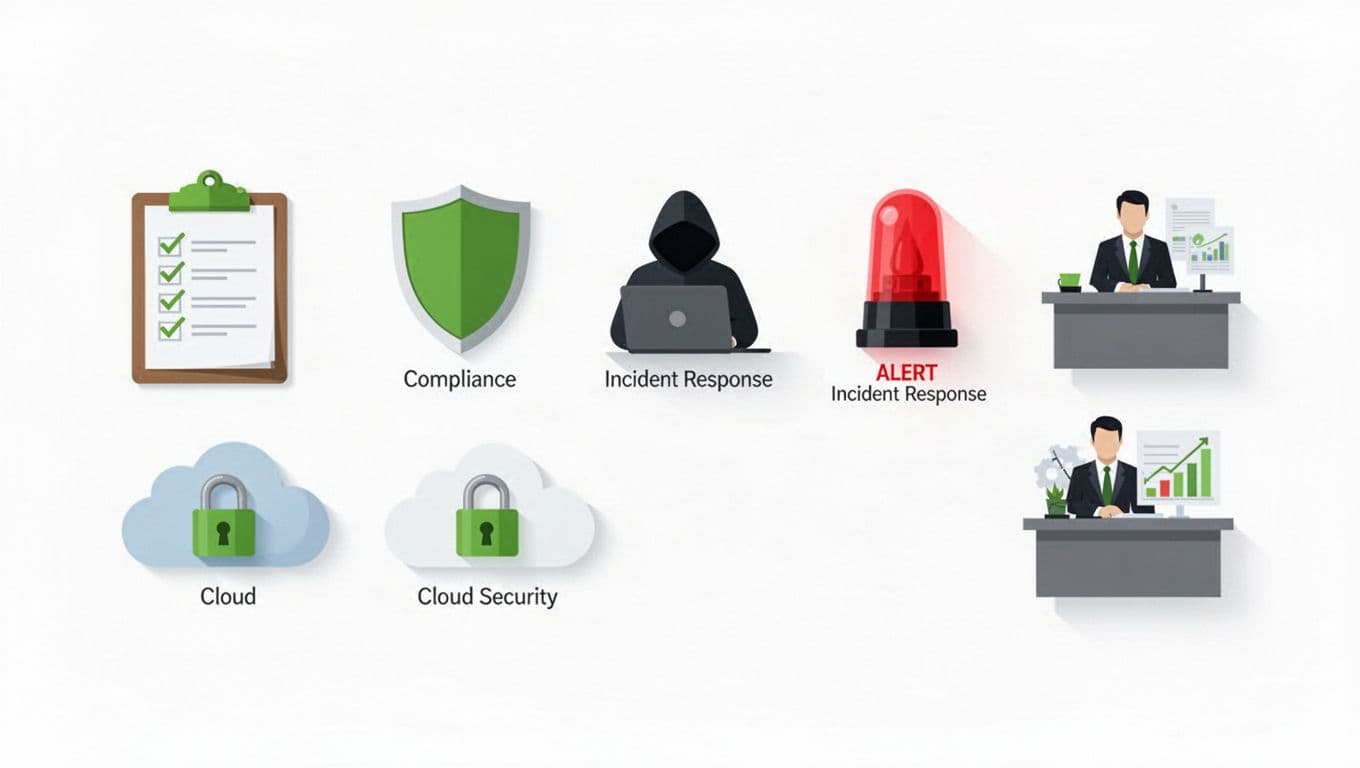
Service type changes the math fast. A routine security review should not cost like a board-level strategy role. For ongoing leadership, a vCISO cost guide gives a better frame than a generic hourly quote.
| Service | Typical hourly range | What drives the price |
|---|---|---|
| vCISO support | $200 to $400 | Executive advice, planning, board reporting |
| Compliance advisory | $100 to $175 | SOC 2, ISO 27001, HIPAA, audit prep |
| Penetration testing | $125 to $250 | Scope depth, app complexity, reporting quality |
| Incident response | $200 to $500+ | Urgency, after-hours work, live containment |
| Cloud security | $150 to $275 | IAM, logging, architecture, multi-cloud scope |
| Security assessments | $100 to $200 | Gap analysis, remediation plans, interviews |
Emergency incident response is priced for speed and risk, not just hours worked.
That’s why incident response often costs more than planned consulting. The consultant has to drop everything, work fast, and accept a moving target. Meanwhile, a scheduled assessment is easier to scope and price.
For vCISO work, hourly rates can look high, but the job is broad. You’re not only paying for advice. You’re paying for leadership, decision support, policy direction, and often a steady monthly presence.
What pushes the price up or down
Several things move cybersecurity consultant rates up or down, sometimes by a lot.
- Urgency raises the price fast. After-hours support and emergency response often carry a premium of 50% to 100%.
- Specialization costs more. IAM, PAM, cloud, DevSecOps, and app security skills stay in high demand.
- Certification depth matters. CISSP, cloud certs, and offensive security credentials can support higher rates.
- Geography still shapes the market. Major U.S. metros often price higher than smaller markets or offshore regions.
- Scope clarity keeps costs down. Tight deliverables are cheaper than open-ended advice.
- Industry pressure matters too. Regulated sectors often pay more because the work carries more risk.
The pattern is simple. The more time pressure, risk, or niche knowledge involved, the higher the bill.
How to budget for real-world projects
Hourly rates help, but budgets need a monthly shape. If you know the expected hours, you can plan much more accurately.
| Business size | Typical monthly consulting need | Practical budget range |
|---|---|---|
| Small business | 5 to 15 hours | $1,000 to $4,000 |
| Mid-market company | 20 to 60 hours | $4,000 to $15,000 |
| Enterprise | 60+ hours, often multiple specialists | $15,000 to $40,000+ |
A small business usually needs targeted help, not a full security program. That might mean a quick assessment, policy updates, or light vCISO support.
Mid-market teams often need more. Compliance deadlines, cloud reviews, and testing can stack up quickly.
Enterprise budgets rise because the work gets wider. Multiple systems, multiple teams, and multiple stakeholders all add time.
If you’re testing pricing scenarios, a freelance cybersecurity consultant rate calculator can help you model different hourly assumptions before you commit.
When you need help deciding whether to hire freelance support, a boutique team, or a senior security leader, Book a Discovery Call with Bud Consulting to map the scope before the budget is set.
When hourly billing stops making sense
Hourly billing works best for short, clear tasks. It’s fine for a one-time assessment, a scoped test, or a small advisory block.
Retainers often make more sense when you need ongoing leadership. That’s common for vCISO work, recurring compliance support, and steady cloud security oversight.
A good agreement should spell out deliverables, response times, and what counts as emergency work. Otherwise, a low hourly rate can turn into a messy bill.
The real goal isn’t finding the cheapest consultant. It’s finding the right mix of skill, speed, and scope for the money you have.
The best budgets start with the right benchmark. In 2026, cybersecurity consultant rates are wide enough to confuse buyers, but clear enough to plan around once you know what kind of work you need.