table of contents
A consultant can spot a critical flaw in an afternoon. Deciding what to do with it is harder.
That is where cybersecurity consultant ethics matters. It keeps advice honest, scope clear, and client trust intact, especially when AI tools, privacy rules, and disclosure pressure collide.
Why consultants need their own ethical code
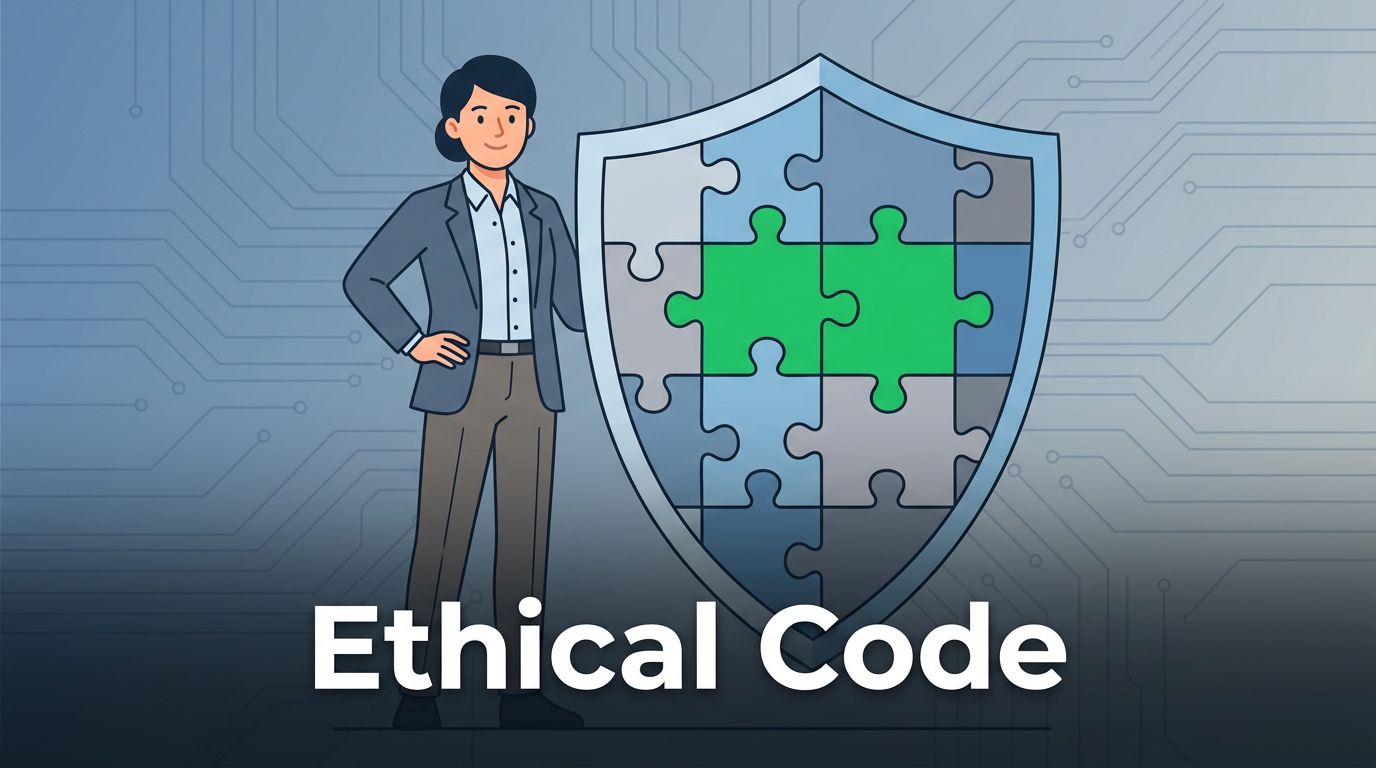
A security best practice tells you how to test a system well. An employee policy tells you how to behave inside one company. A consultant code of ethics does something different, it guides judgment across many clients, many contracts, and many gray areas.
| Document type | Main job | Typical focus |
|---|---|---|
| Security best practices | Guide technical work | Controls, testing, hardening |
| Employee conduct policy | Set internal rules | HR, timekeeping, device use |
| Consultant code of ethics | Guide judgment in client work | Consent, conflicts, confidentiality, disclosure |
That difference matters when the work shifts from operator to advisor. A consultant may see sensitive data, vendor deals, weak leadership, and legal risk in the same week.
For a recognized baseline, start with ISC2 Code of Ethics guidance and its newer Code of Professional Conduct. The ISSA Code of Ethics is another useful reference.
A consultant’s first duty is to the truth, not the loudest client in the room.
Common ethical dilemmas in client work

Ethics stops being abstract when a client asks for something awkward. Maybe they want you to test beyond the signed scope. Maybe they ask you to hide a serious issue until launch day. Or maybe they want you to drop logs into an AI tool without checking where the data goes.
Each case needs a calm response. If the request goes beyond scope, pause and get written approval. If the issue affects people, privacy, or public safety, use the agreed escalation path instead of guessing. For vulnerability handling, NIST vulnerability disclosure guidelines give a solid public reference point.
AI creates a new set of problems. A consultant might use a model to sort alerts, summarize findings, or draft reports. That can save time, but it can also expose client data if the tool stores prompts or trains on inputs. In 2026, ethical practice means asking where the data goes before it leaves your control.
A useful rule is simple. If you would not be comfortable explaining the choice in a client review, don’t make it casually.
A practical code of ethics checklist you can adapt

A strong code of ethics should fit on one page and still hold up under pressure. It should answer what you can access, what you can share, and when you must stop.
A practical version can start with these rules:
- Get written scope and client consent before any access or testing.
- Protect client data as if it were confidential by default.
- Disclose conflicts of interest, referral fees, and vendor ties early.
- Use AI tools only with approved data handling and retention rules.
- Report serious risks honestly, even when the message is unwelcome.
- Decline work that requires deception, illegal access, or hidden reporting.
That checklist is simple on purpose. It gives consultants a way to make fast decisions without cutting corners.
It also fits current expectations around privacy and AI. If your team uses AI for analysis or report drafting, review PwC’s guidance on responsible AI and cybersecurity and set rules for human review, data limits, and model use. A short note on regional privacy rules can help too, especially when clients operate across borders.
If you’re building or revising a consulting standard, Book a Discovery Call with Bud Consulting to talk through the practical side of ethics, trust, and delivery.
What a good code protects in the real world
At its best, a consultant code of ethics protects three things at once, the client, the public, and the consultant’s own credibility. It helps you say yes with confidence, no with reasons, and not yet when the facts are still moving.
That matters because trust is fragile. One rushed choice can undo years of technical skill. A clear code keeps the work grounded when pressure rises, and that’s what clients remember long after the report is sent.