table of contents
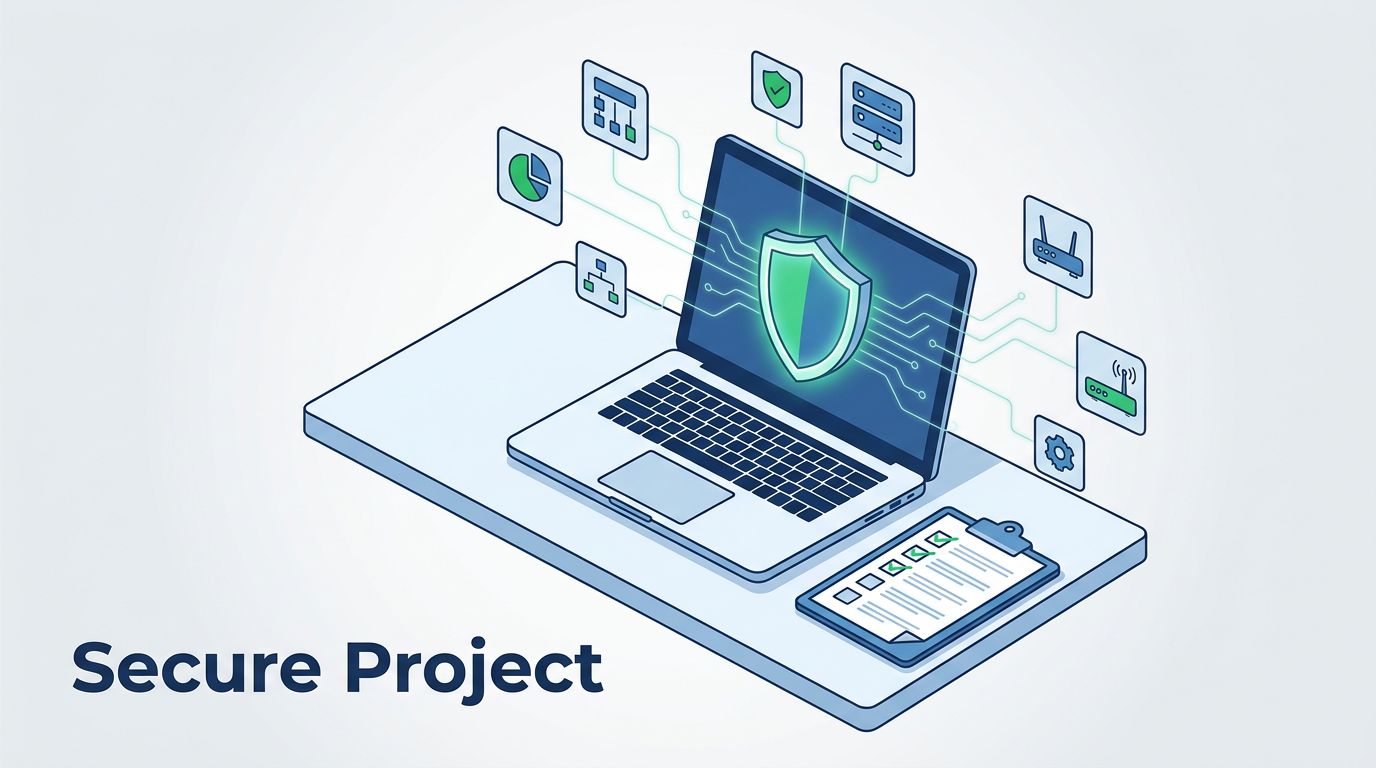
A cybersecurity consulting project can slip fast when scope, evidence, and ownership drift. The work touches live systems, busy teams, and real risk, so small gaps become expensive.
The best projects feel controlled because the plan matches the threat model. When you manage the work well, the client gets clear findings, usable fixes, and fewer surprises.
Start with scope, risk, and the business reason
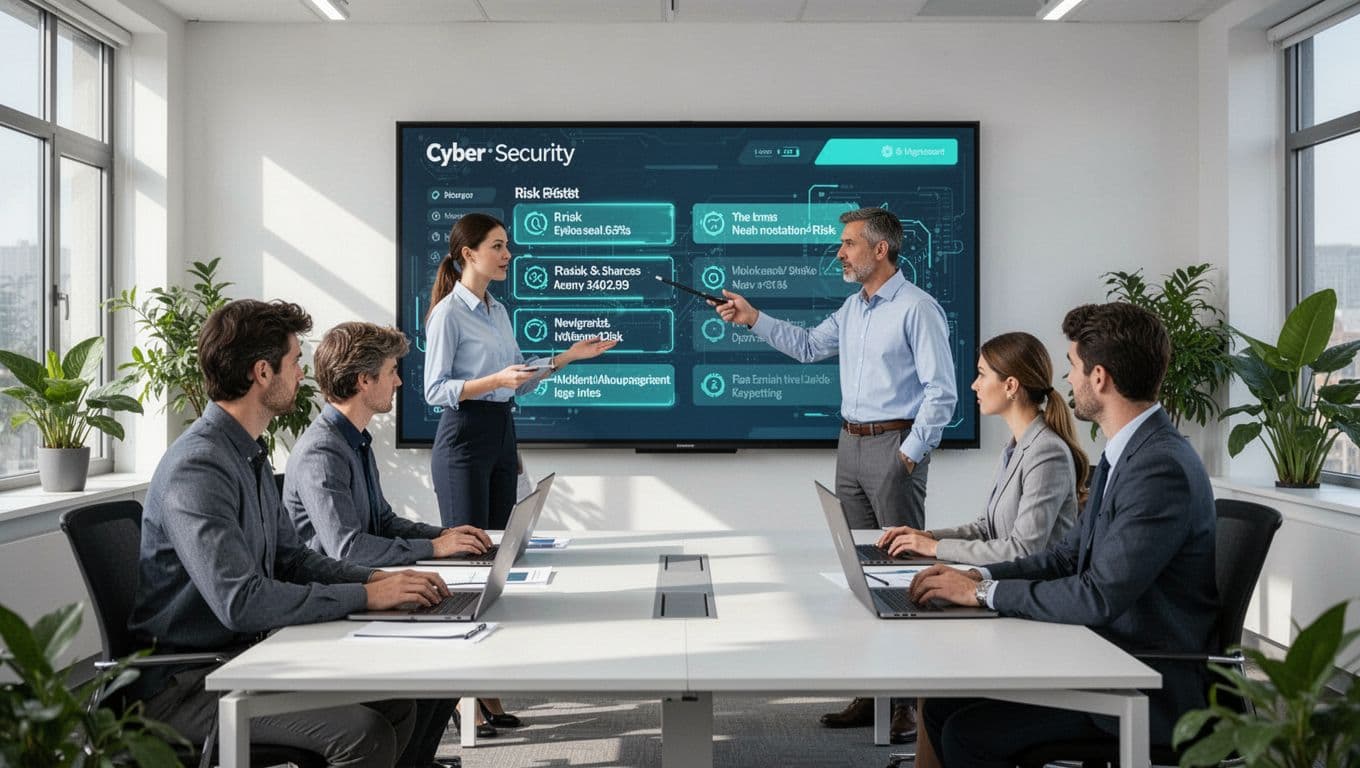
Every strong engagement begins with a tight discovery phase. Ask what the client is trying to protect, which systems matter most, and which deadlines shape the work, such as a SOC 2 audit, HIPAA review, PCI DSS assessment, or GDPR pressure.
That first conversation should also define what success looks like. Is the goal a risk assessment, a security audit, a penetration test, a cloud security review, or a compliance gap assessment? The answer changes the project plan.
In 2026, NIST CSF 2.0 gives you a better frame for this step. The NIST CSF 2.0 quick-start guides are useful when you need to connect cyber work to enterprise risk, workforce planning, and leadership decisions. The new Govern function helps because it puts roles, oversight, and accountability in one place.
Build the workplan around concrete deliverables
A cybersecurity consulting project needs more than a timeline. It needs named outputs, owners, and decision points. If the plan stays vague, the work will drift into endless meetings.
Set the core deliverables early:
- A current-state summary with key risks
- An evidence pack for controls and exceptions
- A findings report with severity and business impact
- A remediation roadmap with owners and dates
- A retest plan and final signoff path
That list should sit inside a clear change-control process. If the client adds a new app, cloud account, or vendor, the scope needs a reset. Otherwise, the project becomes a moving target.
Also define how evidence will move. Secure file sharing, naming rules, retention, and approval paths matter. You do not want sensitive screenshots, exports, or account data floating around in email.
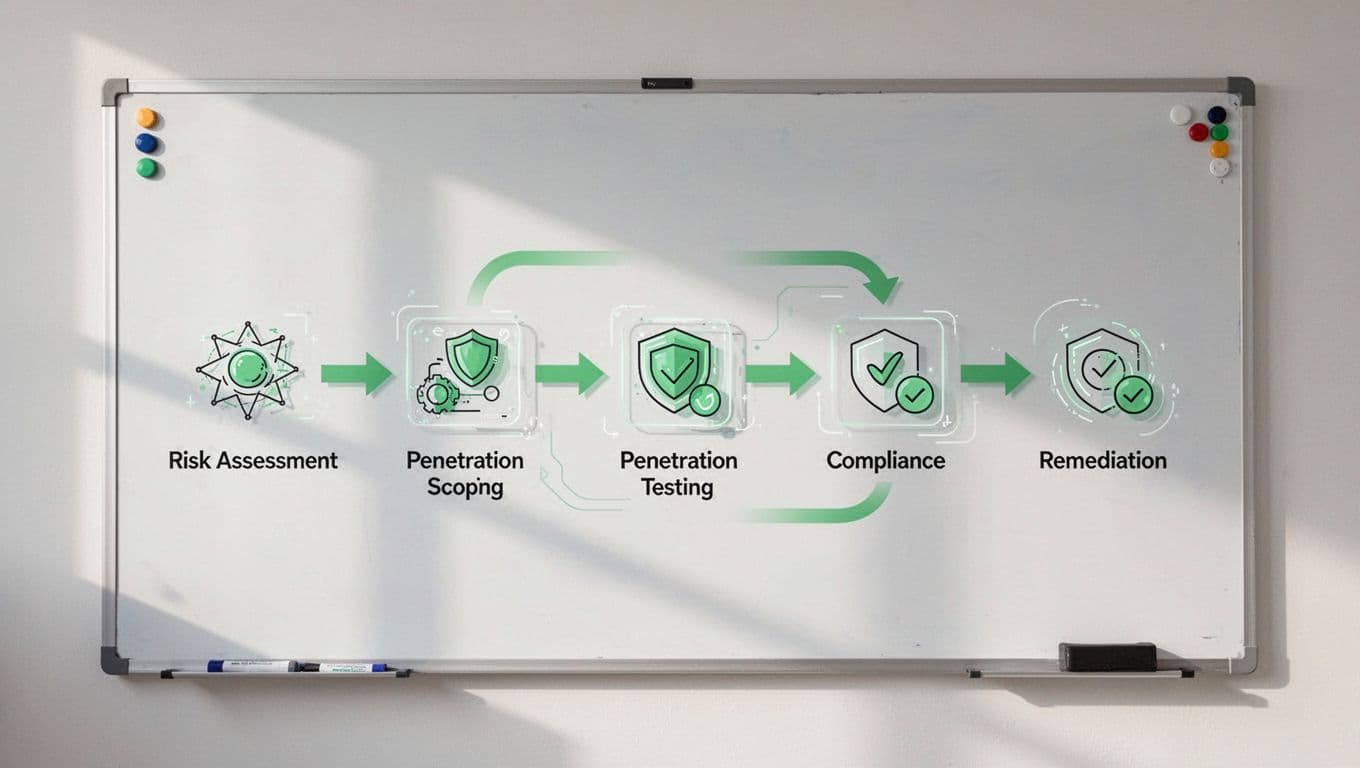
A workplan without owners is only a calendar. A workplan with owners, due dates, and evidence rules becomes a management tool.
Run assessments and tests with tight controls
The technical work should be structured, not improvised. For a risk assessment, map systems, vendors, identities, and data flows before you rate any risk. For a penetration test, lock the rules of engagement, no-go zones, and escalation path before testing starts.
For a security audit or compliance gap review, map findings to the client’s framework. That may mean ISO 27001, CIS Controls, or control sets tied to SOC 2, HIPAA, PCI DSS, or GDPR. If you need a practical reference for the standard itself, this ISO 27001 implementation guide is a helpful companion when you’re translating requirements into project tasks.
Cloud security reviews need their own rhythm. Check identity settings, privileged access, storage exposure, logging, and shared responsibility gaps. Then confirm what the client can fix now and what needs a longer remediation track.
If a control can’t be evidenced, it won’t survive an audit.
That single rule keeps the project honest. It also keeps the report useful, because every finding should point to proof, not opinion.
Keep stakeholders aligned during remediation
Most project pain comes after the findings are written. The client agrees that the risks are real, then the follow-through gets messy. Weekly check-ins help, but only if they focus on decisions, blockers, and due dates.
Use a simple update format. Show what changed since last week, which risks got fixed, which ones are still open, and where help is needed. Keep the language plain. Executives want impact, while operators want detail.
A good cadence also needs escalation paths. If a critical system can’t be patched, or a pen test exposes a live issue, the client should know who gets called, how fast, and what the stop-work rule is. That protects trust.
When remediation stalls because the team lacks the right skills, bring in the right help early. If you need specialist support for cloud security, IAM, offensive testing, or senior advisory work, Book a Discovery Call with Bud Consulting.
Close with evidence, retesting, and a clean handoff
The final phase should feel like a handoff, not a goodbye. Retest the high-risk findings, confirm the fixes, and make sure the evidence matches the promised controls. Then package the results in a way the client can reuse.

Your closeout package should include an executive summary, a detailed findings report, a remediation roadmap, the evidence log, and a retest summary. If the client plans to use the work for audit prep, make that clear in the format and language.
A strong closeout also records lessons learned. Which requests caused the most delay? Where did evidence collection break down? Which stakeholders needed more context? Those answers make the next cybersecurity consulting project smoother.
A project feels finished when the client can act on the work without chasing missing details. That is the difference between a report and a result.