table of contents
A cybersecurity consultant routine rarely looks like a movie scene. Most days start with a laptop, a calendar full of client calls, and a steady stream of decisions that mix risk, technical detail, and business pressure.
That mix is what makes the role interesting. One consultant may spend the morning checking cloud logs, while another reviews policy gaps, and a third prepares a board update.
If you want to understand the job beyond the job title, the day-to-day rhythm tells the real story.
Morning kickoff: alerts, calendars, and client priorities
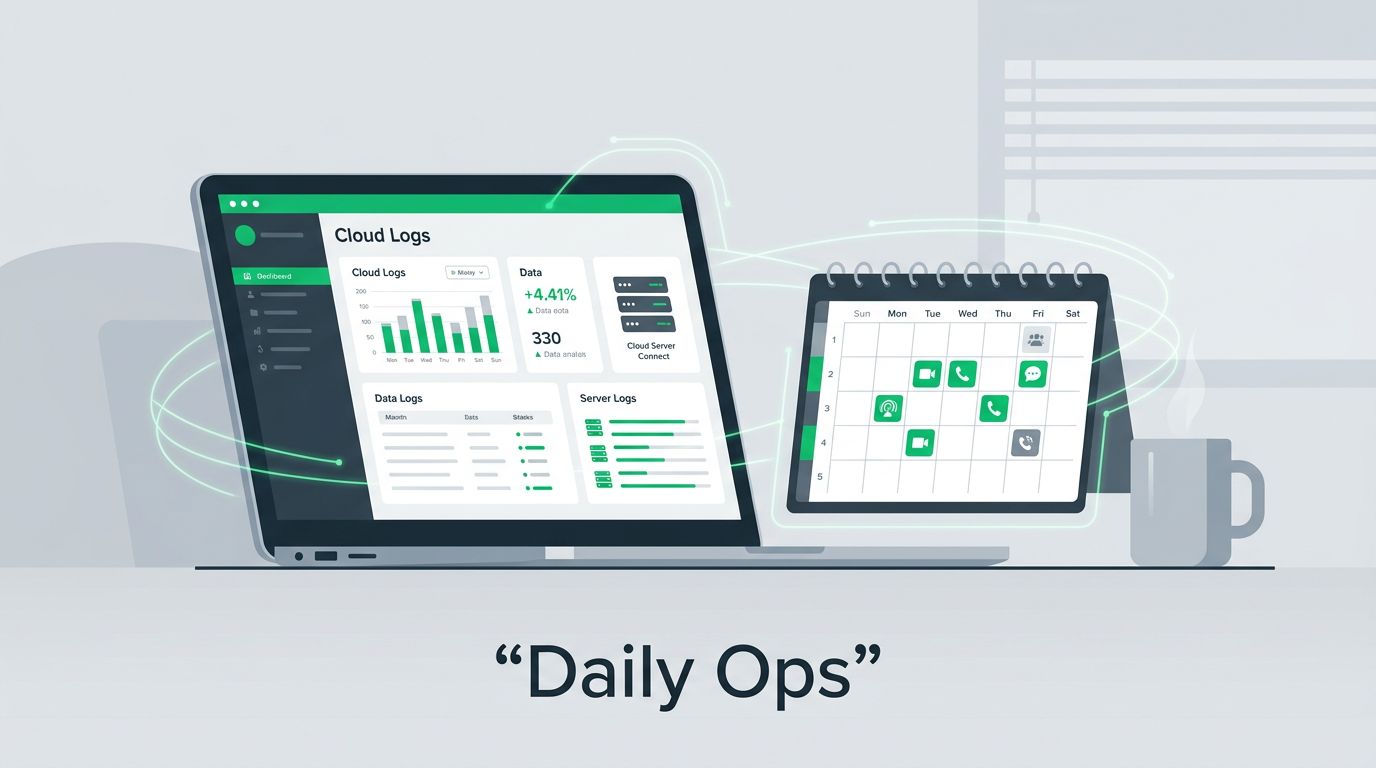
The day usually begins with a quick scan of what changed overnight. That might include security alerts, open tickets, meeting notes, or a client email marked urgent.
For many consultants, this first block is less about firefighting and more about sorting signal from noise. Did a scanner find a real issue, or did it flag a known false positive? Is a client waiting on evidence for an audit, or do they need help with a live problem?
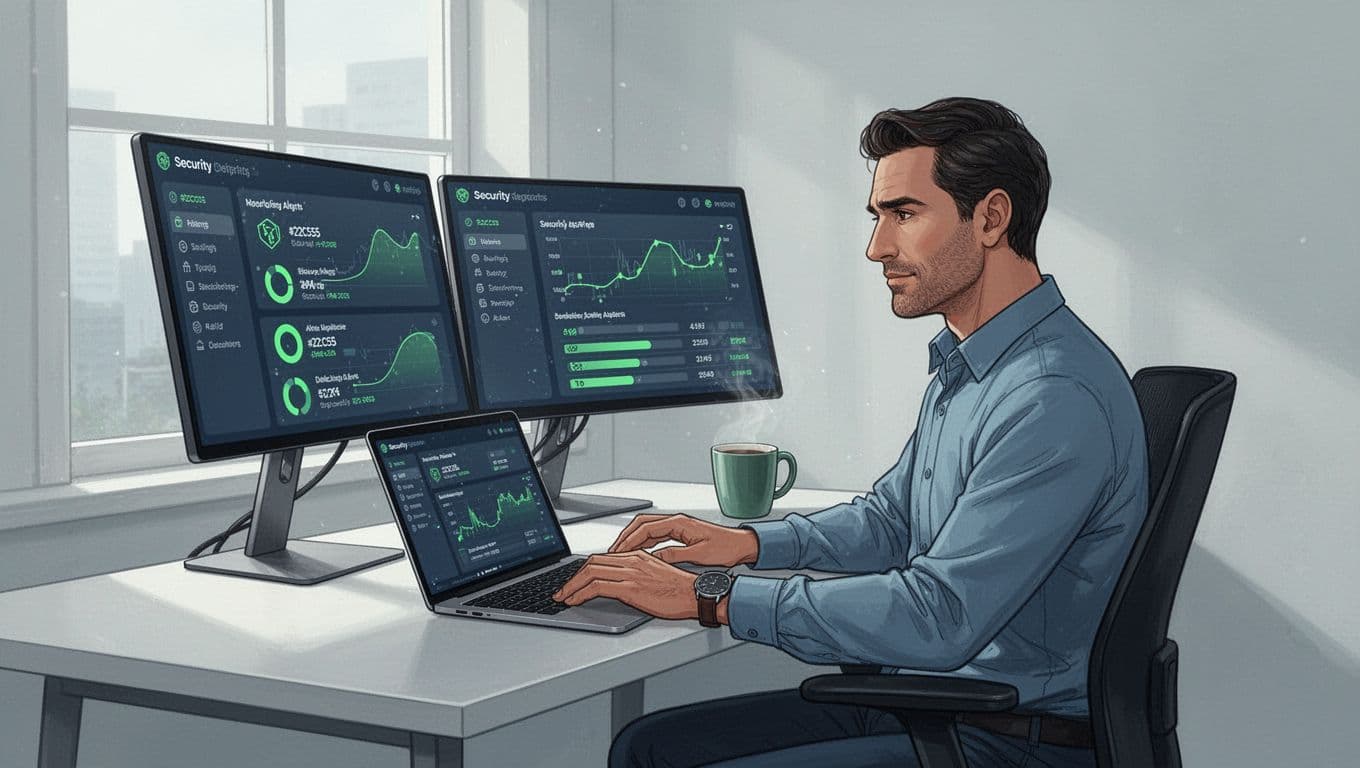
By 9 a.m., many consultants are already updating a shared tracker, checking a risk register, or rewriting the day’s plan around client needs. Some use SIEM dashboards, EDR consoles, cloud posture tools, or ticketing systems. Others keep one eye on email and the other on a project plan.
The best consultants don’t wait for a crisis to start thinking clearly. They build their day around small, repeatable checks.
If you want a narrower operational view, this look at a SOC analyst’s daily routine shows how alert triage differs from consulting work. A consultant usually has to connect those alerts to business impact, not just technical severity.
How the middle of the day changes by specialty
This is where the job splits. A cybersecurity consultant routine depends heavily on the type of work they do. Some days are mostly advisory. Others are hands-on and technical.
| Specialization | What the day often includes | Common deliverables |
|---|---|---|
| Governance, risk, and compliance | Control reviews, policy mapping, evidence requests, audit prep | Gap analysis, risk register updates, policy drafts |
| Cloud security | IAM checks, misconfiguration review, architecture changes, logging validation | Cloud findings, remediation plan, reference design |
| Pen testing | Scoping, testing, validation, reporting | Exploit notes, technical report, retest results |
| Security architecture | Design sessions, threat modeling, control decisions | Diagrams, standards, architecture recommendations |
| vCISO work | Executive meetings, roadmap planning, budget discussion | Board updates, security roadmap, priorities list |
The table shows the pattern well. The work changes, but the structure stays familiar. There’s always a mix of research, analysis, communication, and follow-up.
In practice, a governance consultant may spend two hours matching a client policy to a framework like NIST or ISO 27001. A cloud consultant may review logging settings in AWS, Azure, or Google Cloud. Meanwhile, a pen tester may be validating a finding, then writing a clear report that a non-technical manager can act on.
That broad mix matches what many consultants describe in what a typical day looks like for a cybersecurity consultant. The details vary, but the rhythm stays familiar: inspect, explain, document, and move the work forward.
Meetings and documentation take more time than people expect
A lot of people picture cyber work as nonstop tool use. In reality, meetings and writing can take a big share of the day.
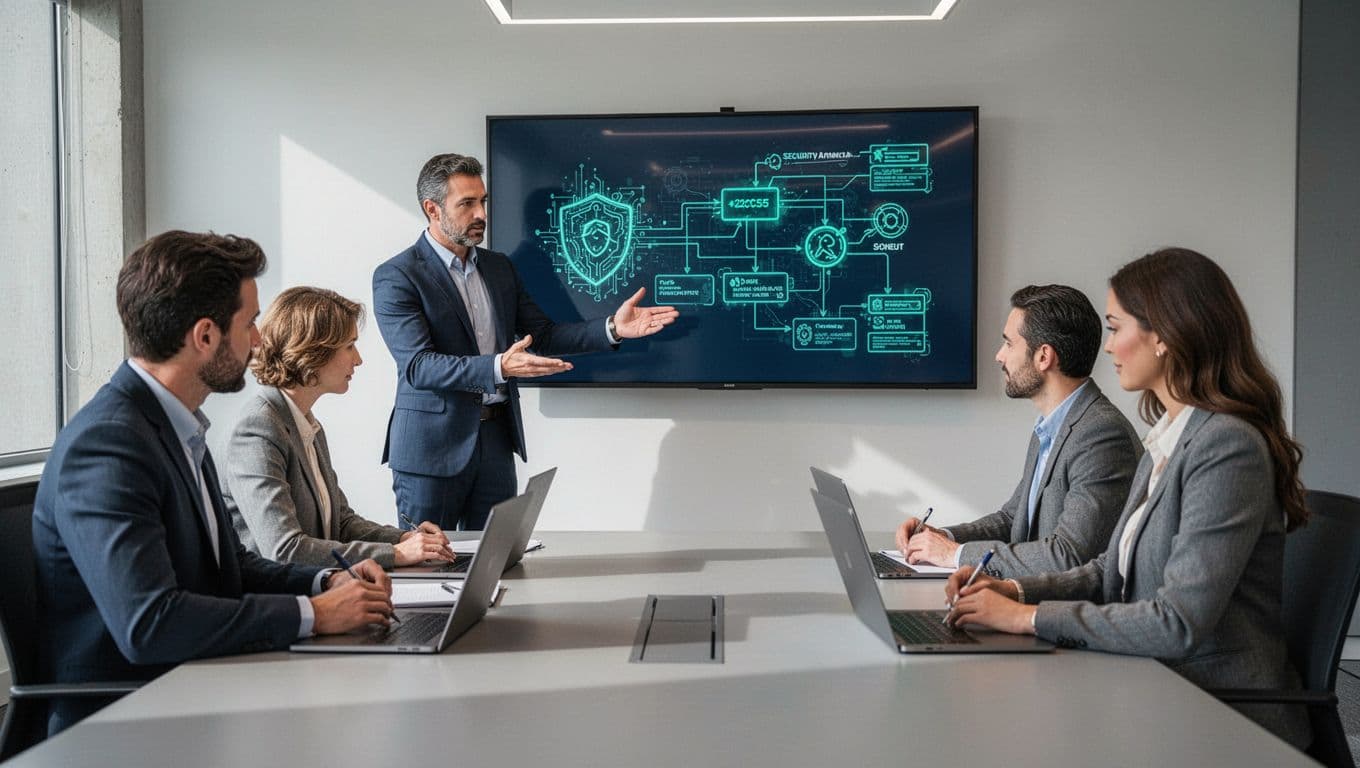
Consultants often spend time in discovery calls, status updates, steering meetings, and review sessions. They also turn technical findings into something clients can use. That means risk summaries, executive decks, remediation plans, and clear next steps.
This is also where communication matters as much as technical skill. A good consultant can explain why a control failed without sounding alarmist. They can tell a leader what matters now, what can wait, and what needs budget.
For advisory roles, this mix is even more visible. A vCISO may spend part of the afternoon aligning security goals with hiring plans, insurance questions, or merger work. If a company needs help translating those moving parts into action, Book a Discovery Call with Bud Consulting is a natural next step for a focused security conversation.
Business readers often underestimate this side of the job. Yet the documentation is what helps a recommendation survive after the meeting ends.
Hands-on technical work still needs quiet focus
Not every hour is spent talking. Consultants still need deep work time, especially when they’re testing, reviewing, or designing.
A penetration tester may use scripts, scanners, and manual testing methods to validate exposure. A cloud security specialist might compare IAM permissions against actual app use. A security architect may build diagrams and control patterns that fit the client’s systems, not a textbook model.
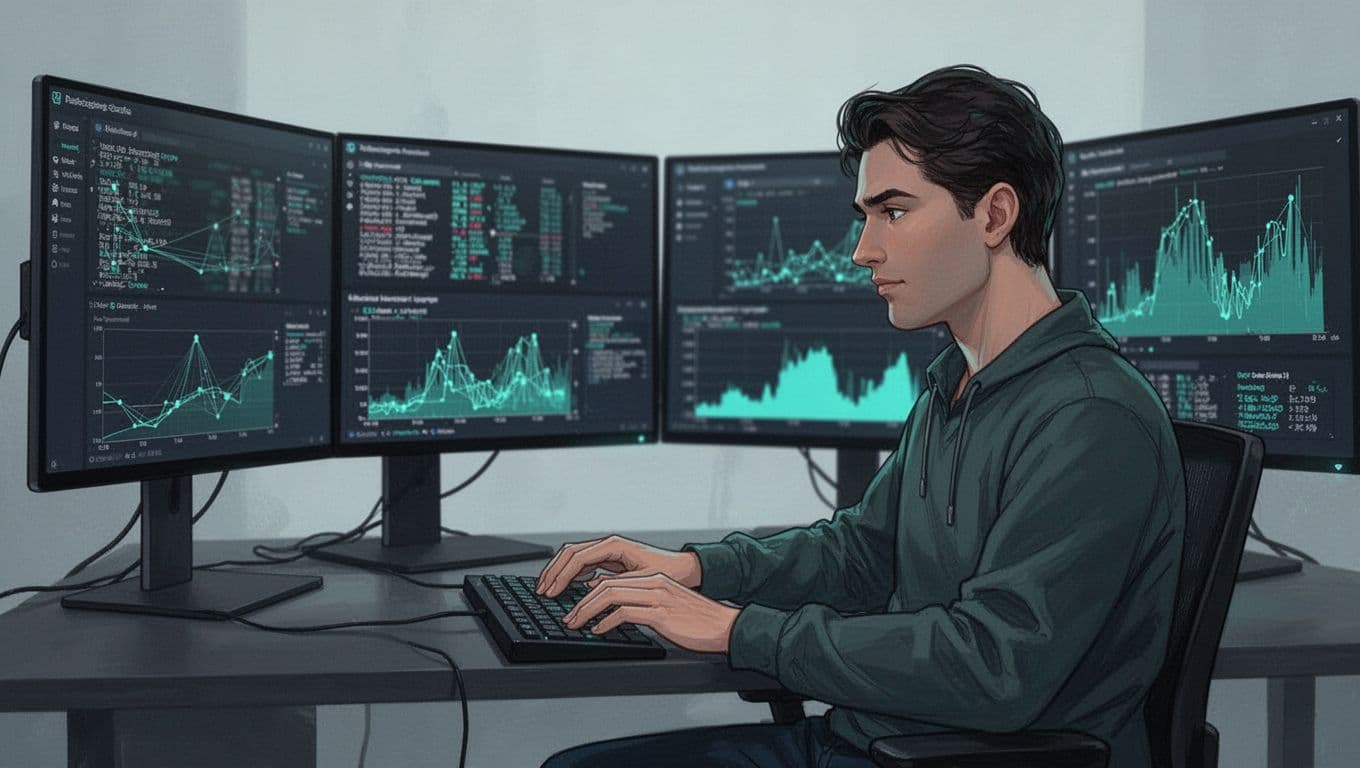
By 2026, many consultants also review AI tool usage, SaaS sprawl, and identity risk alongside the usual endpoint and network checks. That doesn’t replace older work. It adds another layer to it.
The strongest routines leave room for follow-up too. A consultant may finish a scan, then open a ticket, brief the client, and schedule a retest. That loop keeps the work useful.
What a good consulting day really looks like
A strong day in this role is rarely dramatic. It usually has a clear start, a few focused work blocks, and several moments where someone has to turn technical detail into business language.
If you’re early in your career, that’s the pattern to watch. The best consultants aren’t just good with tools. They’re good at moving between analysis, conversation, and action without losing context.
That balance is what makes the work feel steady, even when the subject is complex. And that’s the real shape of a cybersecurity consultant routine.