table of contents
A cybersecurity recruiter can save you weeks, but only if they understand the work. A polished pitch means little if they can’t tell AppSec from GRC, or explain why CCSP matters more than a generic cloud cert.
The fastest way to vet them is to listen for technical depth, not confidence. A strong recruiter translates security needs into clear hiring terms, so you can spot the difference early.
Listen for how they describe the work, not the title
A recruiter with real depth can explain day-to-day security work in plain English. They know SOC teams handle triage and alert noise, incident responders handle containment, and AppSec leaders think about code, pipelines, and threat models.
Weak recruiters lean on titles and tool names. They may say, “We need a cybersecurity person,” and stop there. That usually means they can’t separate risk management from hands-on defense.
Pay attention to the small details. Do they talk about identity, cloud permissions, SIEM data, or control testing in the right context? Or do they stack buzzwords together and hope they sound close enough?
They should also know the difference between screening for an individual contributor and screening for a lead. A cloud security architect needs architecture judgment. A SOC lead needs escalation handling, tuning decisions, and calm judgment during pressure.
Good recruiters ask how the team works. Weak recruiters only ask what the title is.
Ask questions that force specific answers
Want a quick test? Ask questions that need more than a yes or no. For a useful view of the skills behind SOC hiring, what SOC hiring managers test gives a practical reference point.
Try questions like these:
- How do you separate a SOC analyst from an incident responder?
- What makes a cloud security architect different from a cloud engineer?
- When a hiring manager says AppSec, do they mean SAST, DAST, threat modeling, or all three?
- What should a GRC candidate know beyond policy writing?
- Which skills matter most for IAM or PAM work?
Strong recruiters answer with role logic, not a script. For example, they should say a SOC analyst watches detections, while an incident responder leads containment and recovery. A weak answer sounds fuzzy, like “they’re both security operations.”
Here’s a simple way to compare their replies:
| Strong response | Weak response | What it tells you |
|---|---|---|
| “SOC focuses on alert triage, escalation, and tuning.” | “SOC is just monitoring.” | They know the job shape. |
| “AppSec needs SDLC, code review, and threat modeling.” | “AppSec means secure coding.” | They understand delivery, not slogans. |
| “GRC translates risks into controls and evidence.” | “GRC is compliance paperwork.” | They respect the real scope. |
| “Cloud security needs IAM, guardrails, and shared responsibility.” | “Cloud security is AWS experience.” | They see beyond a vendor badge. |
That table is the giveaway. If they reduce every specialty to a tool or cert, keep digging.
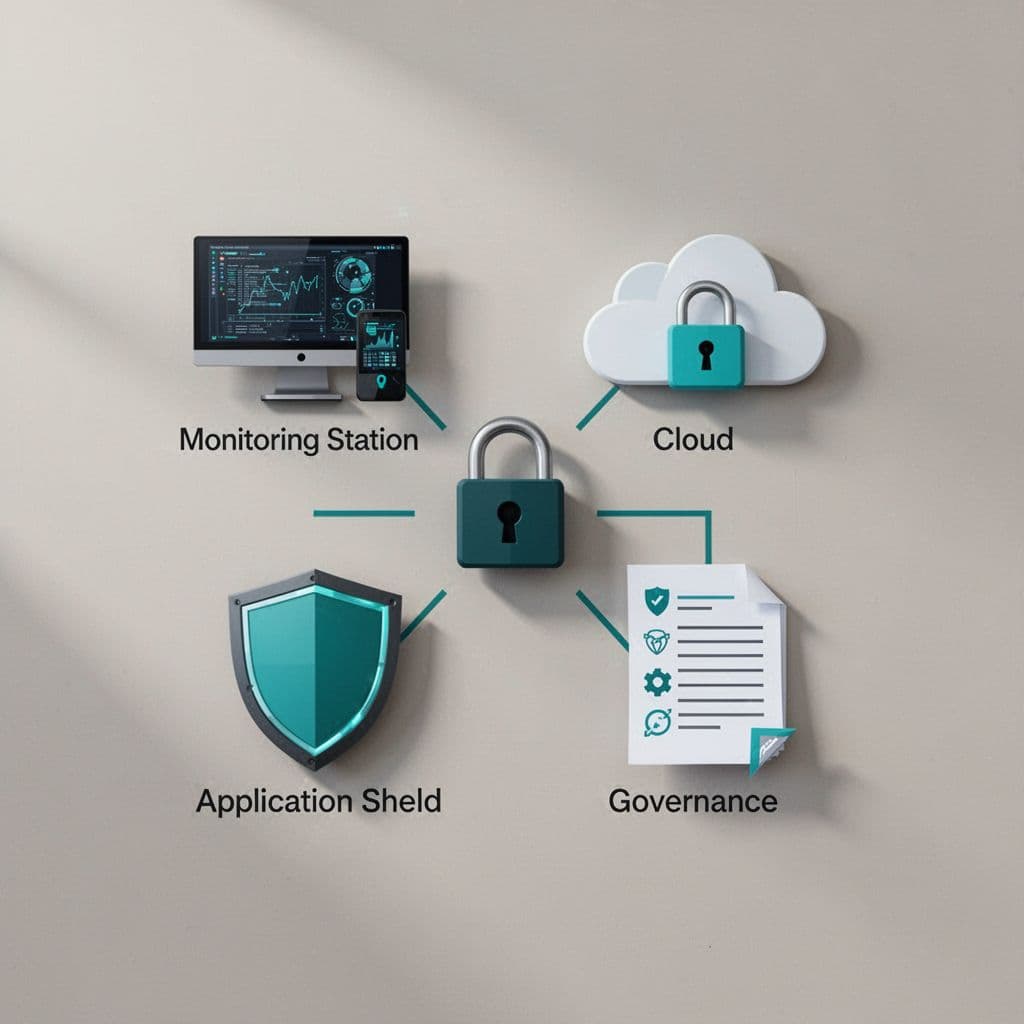
Test their grasp of the major cybersecurity domains
A real cybersecurity recruiter knows that specialties overlap, but they don’t hire the same way. SOC and SecOps roles often value fast triage and incident handling. Cloud security hires need platform depth, especially around IAM, shared responsibility, and infrastructure-as-code. Microsoft’s cloud security roles are a useful reference for that split.
AppSec is different again. Good candidates talk about secure SDLC, dependencies, CI/CD checks, and how they work with developers. GRC sits closer to policy, audit, and risk communication. Incident response needs calm execution and clear escalation.
IAM and PAM roles deserve their own filter too. A recruiter should know the difference between basic access admin work and high-trust privileged access design. Offensive security searches are another test. Those roles depend on testing skill, report writing, and clean handoff to defenders.
Certs help, but they don’t tell the whole story. A broad leader may carry CISSP. A governance-focused manager may lean on CISM. A cloud specialist may point to ISC2’s CCSP overview or compare it with CISM vs. CISSP. A recruiter who knows when each one fits is paying attention.
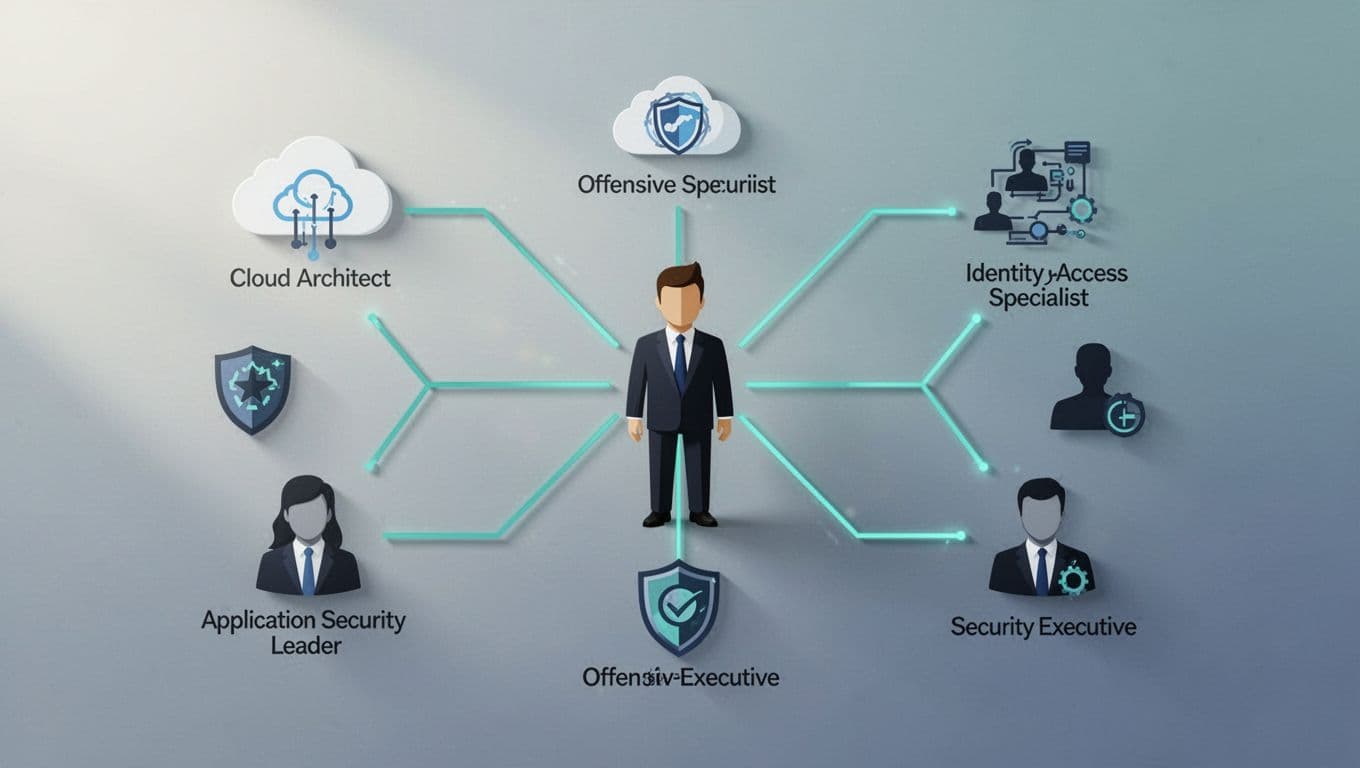
Check their network and search history
Technical depth also shows up in the people they know. Strong recruiters can explain where they find cloud security architects, IAM specialists, AppSec leaders, and offensive security talent. They should know which communities, referrals, and past searches actually produced hires.
Ask how many searches they’ve run in each specialty, and what made those hires stick. Ask where the search got hard. Ask what kind of hiring manager they work with most. If they can describe salary pressure, tool stacks, or location trade-offs, that’s a good sign.
A recruiter who only speaks in volume metrics may miss fit. You want someone who understands why one role needs deep AWS work, while another needs stronger audit skills or incident playbooks. That kind of detail comes from real hiring history.
If your team needs a partner who already works this way, Book a Discovery Call with Bud Consulting.
Watch for the warning signs
Some red flags show up fast. They call every senior security role “architect.” They treat certs like a substitute for hands-on skill. They can’t explain why a role exists, only what the title says.
Other warning signs are even clearer. They avoid asking about your stack, your cloud setup, or your incident process. They push candidates before they understand your team’s work. They also sound vague when you ask how they screen for AppSec, SOC, or GRC.
Depth is often about follow-up. A recruiter who asks, “What does success look like in six months?” is thinking about fit. A recruiter who asks, “What SIEM, cloud platform, or SDLC stage matters most?” is thinking about reality.
If they can’t separate a SOC analyst from an incident responder, they’re screening by title, not skill.
The best recruiters don’t pretend to know everything. They know enough to ask smart questions, spot the right signals, and admit where a specialist is needed. That’s the standard worth using every time.
Read the signals before you trust the search
Vetting a cybersecurity recruiter comes down to one thing, can they talk about security like someone who understands how the work gets done? Titles matter, but the best recruiters also explain team structure, cert value, and role-specific demands.
If they ask sharp questions, know the major specialties, and speak clearly about trade-offs, you’ve probably found someone with real depth. If not, keep looking. In security hiring, weak translation costs time, money, and trust.