table of contents
A weak intake call can waste weeks of sourcing. In cybersecurity, that cost shows up fast, because one vague req can hide three different jobs.
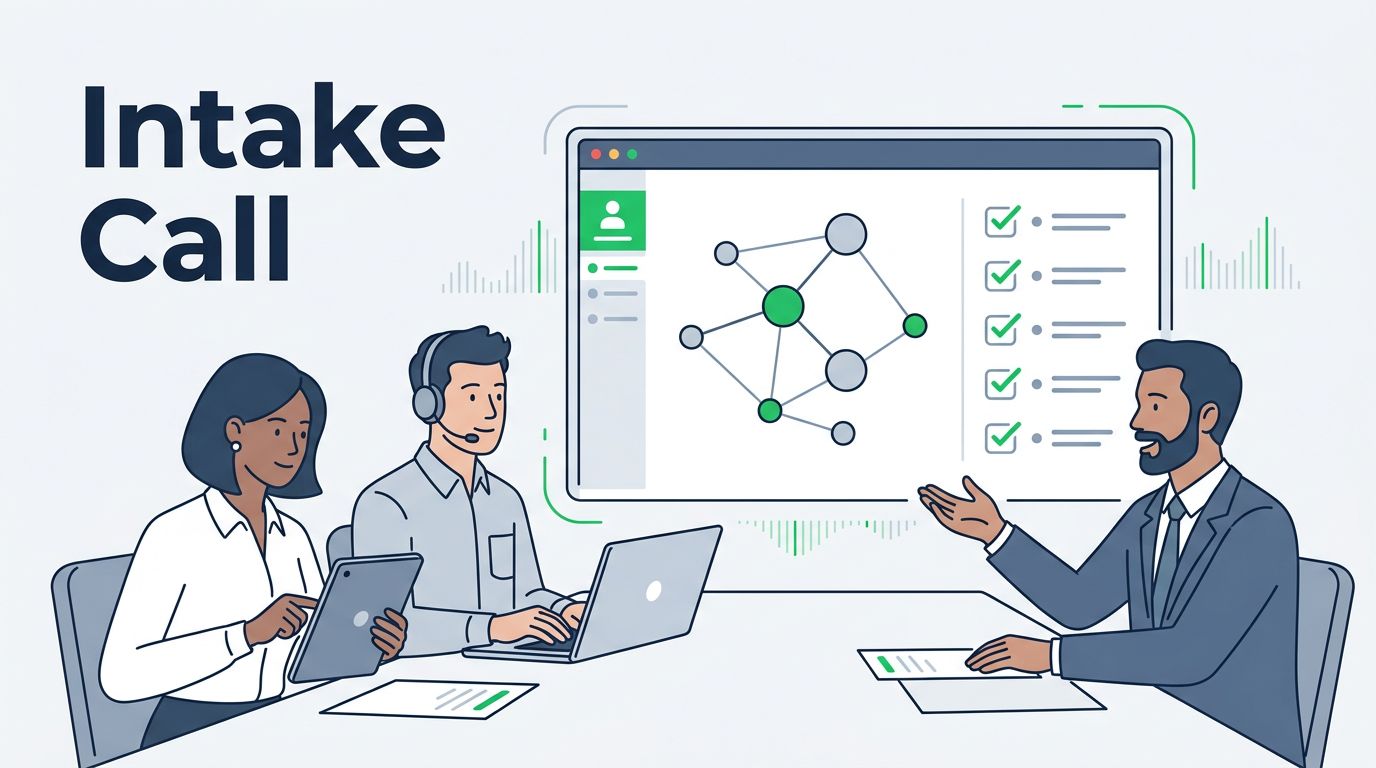
A cybersecurity job intake call should do more than confirm a title and salary band. It should pin down the actual risk, the right specialty, and the kind of person who can handle the work.
Prepare Before the Call
Start with the business problem, not the job title. A “security engineer” might mean cloud controls, SOC triage, IAM cleanup, AppSec reviews, or incident response support.
That’s why cybersecurity hiring differs from general tech hiring. In software hiring, broad skill overlap can work. In security, the wrong specialty can miss the mark even when the resume looks strong.
Review the org chart, the current stack, and any recent incidents before you meet. For a wider view of cybersecurity recruitment best practices, use that context to sharpen your intake, not replace it.
If the hiring manager can’t describe week one work, the req isn’t ready.

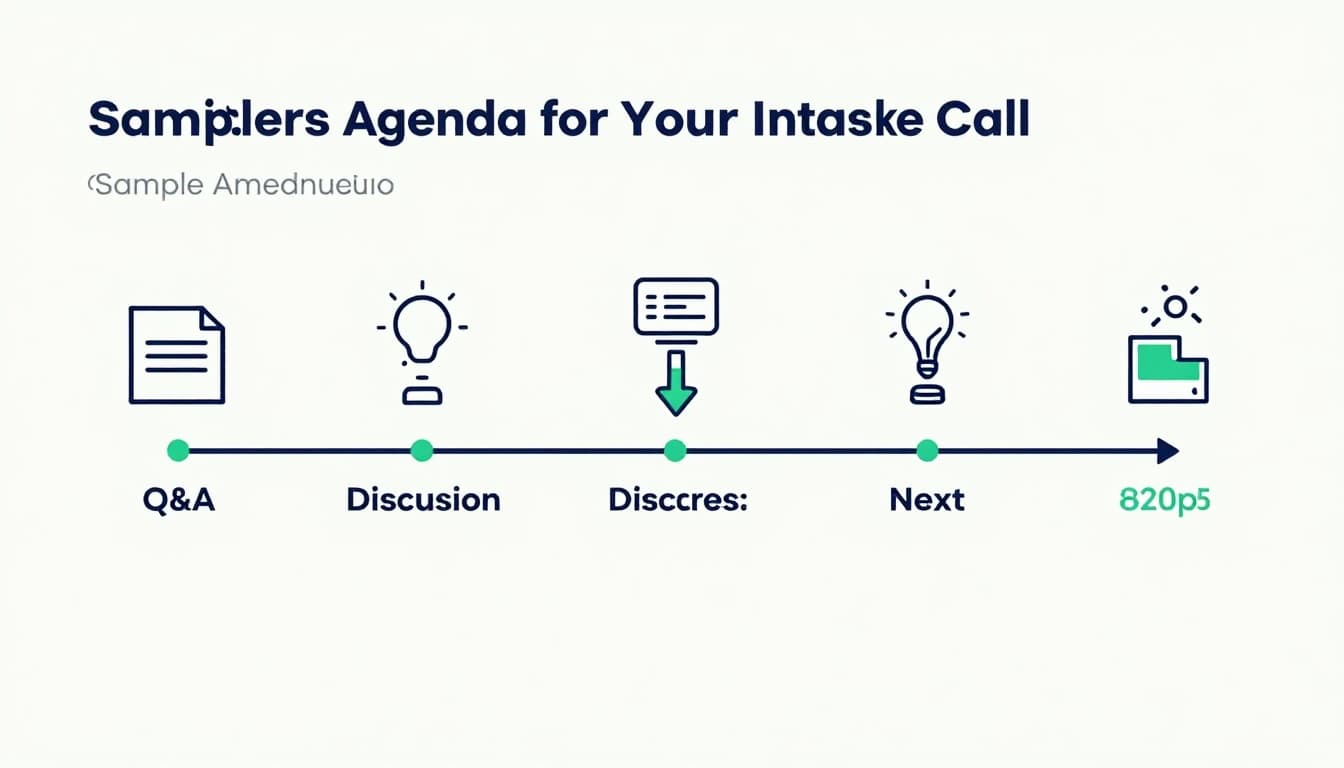
Use a Simple Agenda So Nothing Gets Missed
A structured agenda keeps the call focused and makes follow-up easier. It also helps hiring managers stop talking in circles.
Use this as a default flow for a 30-minute intake.
| Time | Focus | What to confirm |
|---|---|---|
| 5 min | Business need | Why the role exists and what changed |
| 10 min | Scope | Domain, seniority, and daily tasks |
| 10 min | Must-have skills | Tools, platforms, and frameworks |
| 5 min | Process | Timeline, interview steps, budget, and decision makers |
The agenda works because it moves from why to what, then to how. That order helps you spot vague answers early.
Ask Questions That Reveal the Real Role
The best intake calls sound like a guided drill-down. You’re not collecting nice-to-haves. You’re trying to remove confusion.
Cloud security roles, for example, need different questions than a GRC or SOC role. AWS’s overview of cloud security skills and career paths is a useful reminder that one cyber title can hide several very different tracks.
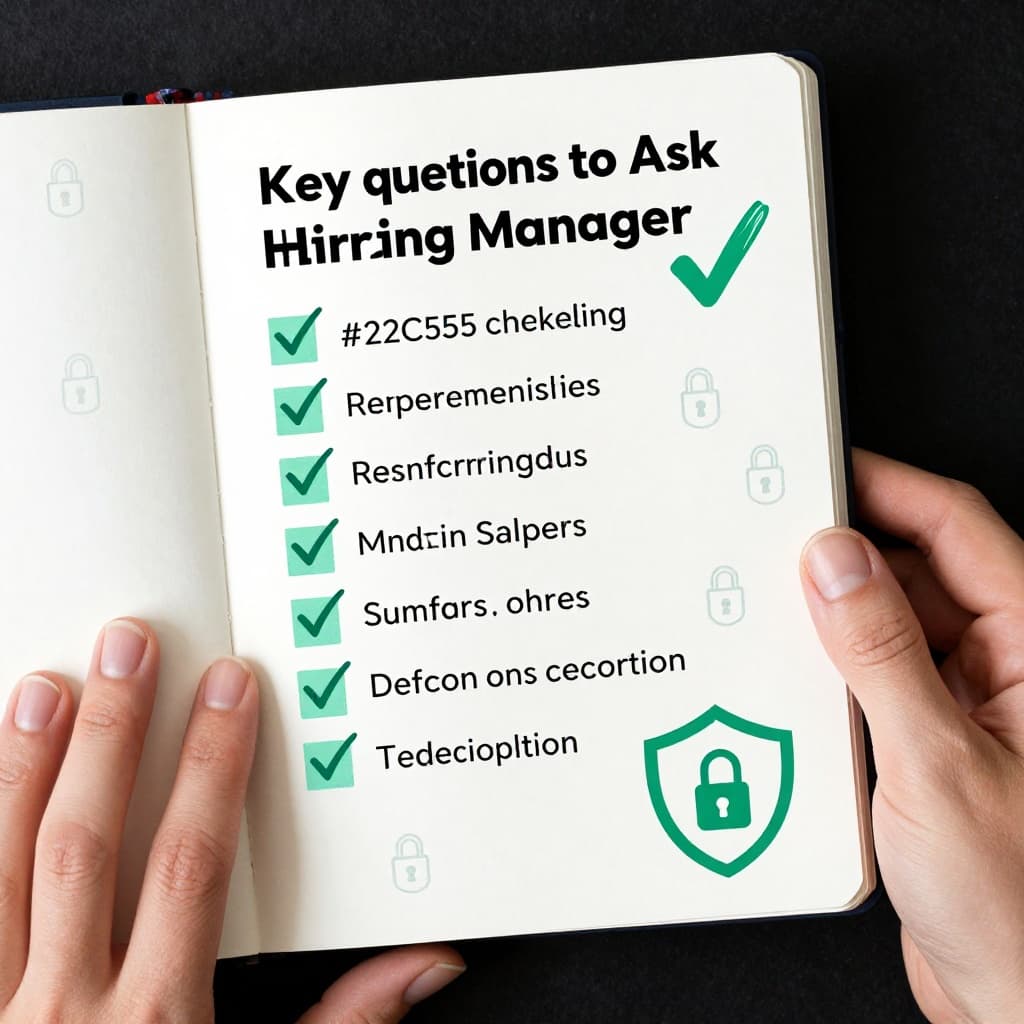
Use a checklist like this:
- What problem is this hire solving in the next 90 days?
- Which domain matters most, cloud security, SOC, AppSec, IAM, GRC, or incident response?
- Is the work mostly hands-on, mostly strategic, or a mix?
- Which tools or platforms must they know on day one?
- Which frameworks matter, such as NIST, ISO 27001, CIS, OWASP Top 10, or MITRE ATT&CK?
- What does success look like after six months?
- Which certifications are helpful, and which are optional?
- What skills does the current team lack?
- What would make you reject a candidate quickly?
- Who will interview the person, and what will each interviewer test?
A strong answer should tell you whether the manager needs a builder, a fixer, or a policy lead. Those are different candidates, even if the job family is the same.
Turn Vague Requirements Into a Searchable Candidate Profile
Many cyber reqs start as fog. Your job is to turn that fog into something a recruiter can use.
This quick translation helps.
| Vague request | Better intake note |
|---|---|
| Need a strong cybersecurity generalist | Need a mid-senior security engineer with cloud and IAM experience |
| Need someone strategic | 80 percent strategy, 20 percent hands-on work, reporting to the CISO |
| Needs compliance knowledge | Needs SOC 2 and ISO 27001 audit support, plus policy writing |
| Needs incident response | Needs triage, containment, and post-incident review experience |
The difference matters because “strong” and “strategic” mean nothing to a candidate search. A clear intake note gives you sourcing terms, interview signals, and a fair screen.
Also name the must-have stack. If the role touches Okta, Splunk, CrowdStrike, Azure, AWS, Terraform, or Palo Alto, say so early. If the hiring manager expects threat modeling or secure code review, write that down too.
Watch for Red Flags Before You Launch the Search
Some intake calls make the hiring process harder before it starts. The signs are easy to spot once you know them.
One useful reference on common red flags in cybersecurity hiring interviews is the pattern itself, not a single bad comment.
Red flags include:
- The manager wants “someone who can do everything.”
- The team can’t say which domain matters most.
- The role mixes SOC, GRC, AppSec, and cloud work with no clear priority.
- The budget doesn’t match the seniority they want.
- Every skill is marked as required, even the niche ones.
- No one can explain what the hire should own in the first 60 days.
When you hear those signals, slow down. A better brief now beats a dozen weak interviews later.
Close the Call With Clear Next Steps
End with a recap in plain language. Confirm the title, the specialty, the top three must-haves, and the main risks of the search.
That last five minutes matters because it locks the role before sourcing starts. If you need help shaping a hard-to-fill security brief, Book a Discovery Call with Bud Consulting and turn the intake into a tighter search plan.
A good cybersecurity intake call doesn’t just open a req. It sets the rules for a better hire.