table of contents
Awards can help you sort the crowded field, but they don’t pick the right firm for you. A big logo means little if the team can’t handle your risk profile, your industry rules, or your pace of change.
In 2026, a small group keeps showing up in analyst reports and industry shortlists. They stand out for cyber strategy, risk, identity, response, and governance, but each one serves a different kind of buyer.
Why awards matter, and where they fall short
Recognition matters because it gives you a fast signal. Analyst reports, client surveys, and industry awards can point to firms that invest in talent and methods.
Still, awards don’t show how a team will work inside your company. They don’t tell you if the local bench is strong, if the senior people stay involved, or if the firm can support your exact region. That’s why the best shortlist starts with awards and ends with fit.
Awards are a good first filter, not a final verdict.
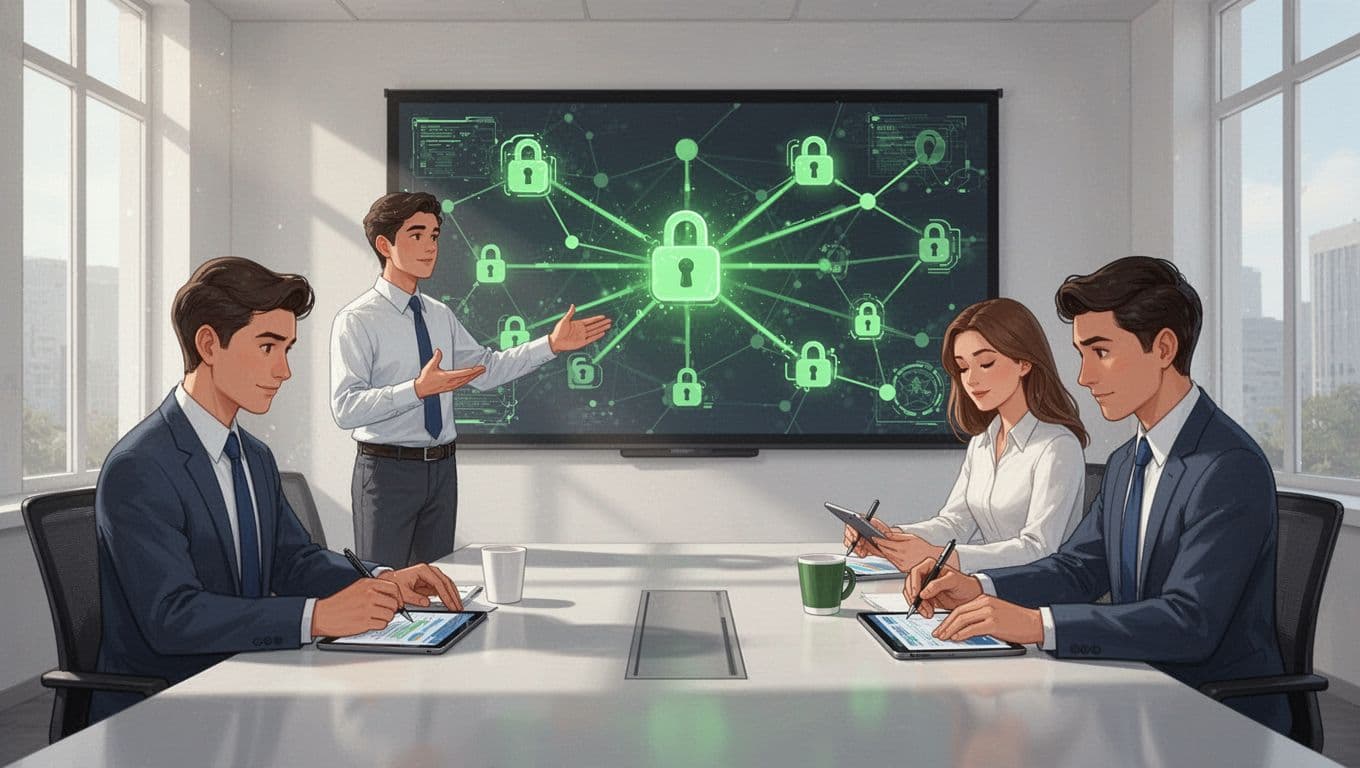
The cybersecurity consulting agencies that keep rising in 2026
The firms below show up again and again in 2026 research and current recognition pages. Use this table as a quick scan, then read the short notes below.
| Agency | 2026 recognition | Core cybersecurity services | Best fit | Main differentiator |
|---|---|---|---|---|
| Deloitte | Repeated 2026 top-firm appearances | Strategy, defense and resilience, operate services, digital trust | Large enterprises and regulated groups | Broad scale across business and cyber |
| Accenture | 2026 analyst recognition, including Everest Group | Strategy, managed cyber, cloud security, AI-driven SOC work | Global firms modernizing security operations | Strong tech partnerships and delivery depth |
| PwC | 2026 Forrester leader in cybersecurity consulting | Risk, privacy, governance, response planning | Boards and regulated businesses | Clear link between cyber and business risk |
| EY | 2026 Forrester leader | Identity, cyber transformation, managed security | Firms tied to trust and change programs | Strong blend of assurance and advisory |
| KPMG | 2025-2026 IDC MarketScape Leader | GRC, controls, third-party risk, remediation | Audit-heavy and risk-heavy organizations | Structured governance and measurable controls |
| Booz Allen Hamilton | Strong public-sector shortlists in 2026 | Federal cyber defense, threat analysis, mission assurance | Government and defense buyers | Deep public-sector and intelligence roots |
The pattern is clear. Some firms are better for board reporting. Others are built for execution, operations, or public-sector work.
Deloitte
Deloitte stands out for breadth. Its cyber services cover strategy, defense and resilience, operate services, and digital trust. In 2026, it keeps landing near the top because it can support large, complex programs from design through execution.
That makes it a strong fit if you need one firm across risk, compliance, and response. Its edge is scale, plus the ability to plug cyber work into wider business and tech change.
Accenture
Accenture brings size, but also strong delivery structure. Its 2026 analyst recognition shows continued strength in large consulting programs, and its cyber work leans hard into AI, cloud, and managed operations.
This firm fits enterprises that want strategy, engineering, and run services under one roof. Compared with peers, it often feels more tech-forward. That matters when you’re rebuilding a SOC or tying cyber work to cloud change.
PwC
PwC ranks well when the board wants cyber risk tied to business outcomes. Its 2026 Forrester leader page reflects that position.
Core services often center on risk assessments, privacy, governance, and response planning. PwC fits regulated firms that need a clean line from control gaps to business impact. Its differentiator is clarity, especially for finance, legal, and audit leaders.
EY
EY earned a Forrester leader spot in 2026, and its work often centers on identity, trust, and transformation.
Expect support for IAM, cyber assessments, and security operating model work. EY is a fit when cybersecurity has to move with broader business change. Its edge is the way it blends assurance thinking with advisory work.
KPMG
KPMG has strong momentum in governance and compliance. Its IDC MarketScape recognition matters because it reflects depth in cybersecurity GRC, not just strategy decks.
KPMG fits firms that care about controls, third-party risk, and audit readiness. The firm’s differentiator is its structured approach to risk taxonomy and measurable remediation. If your board wants evidence, KPMG usually speaks that language well.
Booz Allen Hamilton
Booz Allen Hamilton is a different kind of pick. It shows up on public-sector cyber shortlists because of its defense and intelligence roots.
Core work often includes threat analysis, federal security consulting, and mission assurance. That makes it a natural fit for government teams, contractors, and critical-infrastructure operators. Its differentiator is domain depth. If your risk profile includes national security, few firms speak that language as fluently.
How to compare these firms before you issue an RFP
Start with your operating model. Some teams need board-level risk advice. Others need hands-on help with detection, response, or GRC. Ask each firm for current case studies in your industry, the senior people who will stay on the work, and the regions they can actually support.
Also confirm whether the team will stop at strategy or stay for implementation. That gap causes more bad hires and bad vendor fits than most buyers expect.
The right agency is the one that fits your risk profile, not just the one with the loudest award page.
If your challenge is broader than buying advice, and you need senior security talent or culture-focused support too, Book a Discovery Call with Bud Consulting to discuss the gap before you launch the search.
Methodology and final check
This snapshot reflects current 2026 public recognition, analyst pages, and repeat appearances in industry roundups. Awards change fast, and service lines can shift by region or business unit.
Before you sign, confirm current credentials, local delivery capacity, and service availability directly with each firm.
The strongest cybersecurity consulting agencies do more than collect trophies. They prove they can reduce risk, support the business, and stay useful after the first workshop ends.