table of contents
Hiring a cloud security consultant is no longer about getting a second opinion on a diagram. In 2026, the weak spots are usually identity sprawl, misconfigurations, and unclear ownership across AWS, Azure, and Google Cloud.
If you’re choosing a partner for architecture work, you need more than a general security firm, especially given the often fragile security posture of cloud environments. You need someone who can turn risk into practical guardrails, then help your teams run them.
The best consultant should craft a cloud security strategy that makes your cloud harder to break and easier to govern. Here’s how to spot that person.
Key Takeaways
- In 2026, prioritize cloud security consultants who excel in identity management, policy-as-code, DevSecOps, and multi-cloud consistency to address identity sprawl, misconfigurations, and ownership gaps across AWS, Azure, and GCP.
- Look for proven artifacts like least-privilege IAM designs, drift checks, and CI/CD gates rather than vague promises or outdated perimeter-focused advice.
- Match engagement type to your needs: strategy for roadmaps, implementation for hands-on builds, or fractional leads for ongoing ownership, always clarifying shared responsibility.
- Evaluate candidates with specific questions on reducing misconfigs, automation tradeoffs, compliance mapping, and IAM processes—good answers are detailed and process-oriented.
- Opt for consultancies when needing broad expertise across architecture, IAM, and compliance to accelerate cloud programs faster than solo hires.
Why this role matters more in 2026
Cloud teams are moving fast, but attackers move faster when permissions are messy, outpacing threat detection and complicating incident response. Recent 2026 reporting shows machine identities now outnumber human users by a wide margin, which makes IAM and secrets control a top priority.
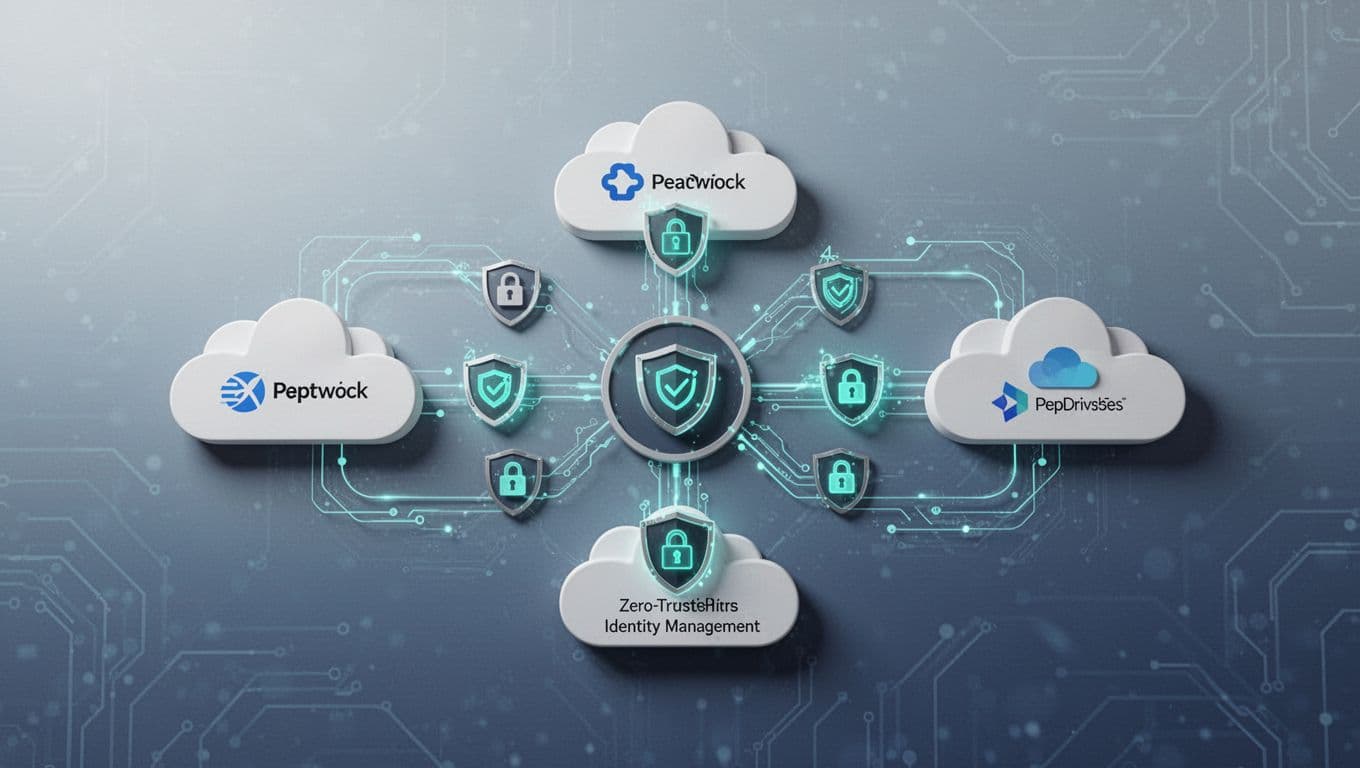
That shift changes what good architecture looks like in cloud native environments. Zero trust, identity-first design, and continuous policy checks matter more than perimeter controls. Shared responsibility also gets harder to manage when one company runs several clouds at once.
Hiring trends reflect that pressure, as shown in Cybersecurity Hiring Trends 2026: Cloud, Identity & Fraud Risks. The old “post and pray” model also falls short, which is why Hiring Cybersecurity Talent in 2026: Why “Post and Pray” Is Dead reads so closely to today’s market.
If a consultant spends most of the meeting talking about firewalls, keep looking. Cloud security now starts with identity, policies, and drift control.
What a strong consultant should know
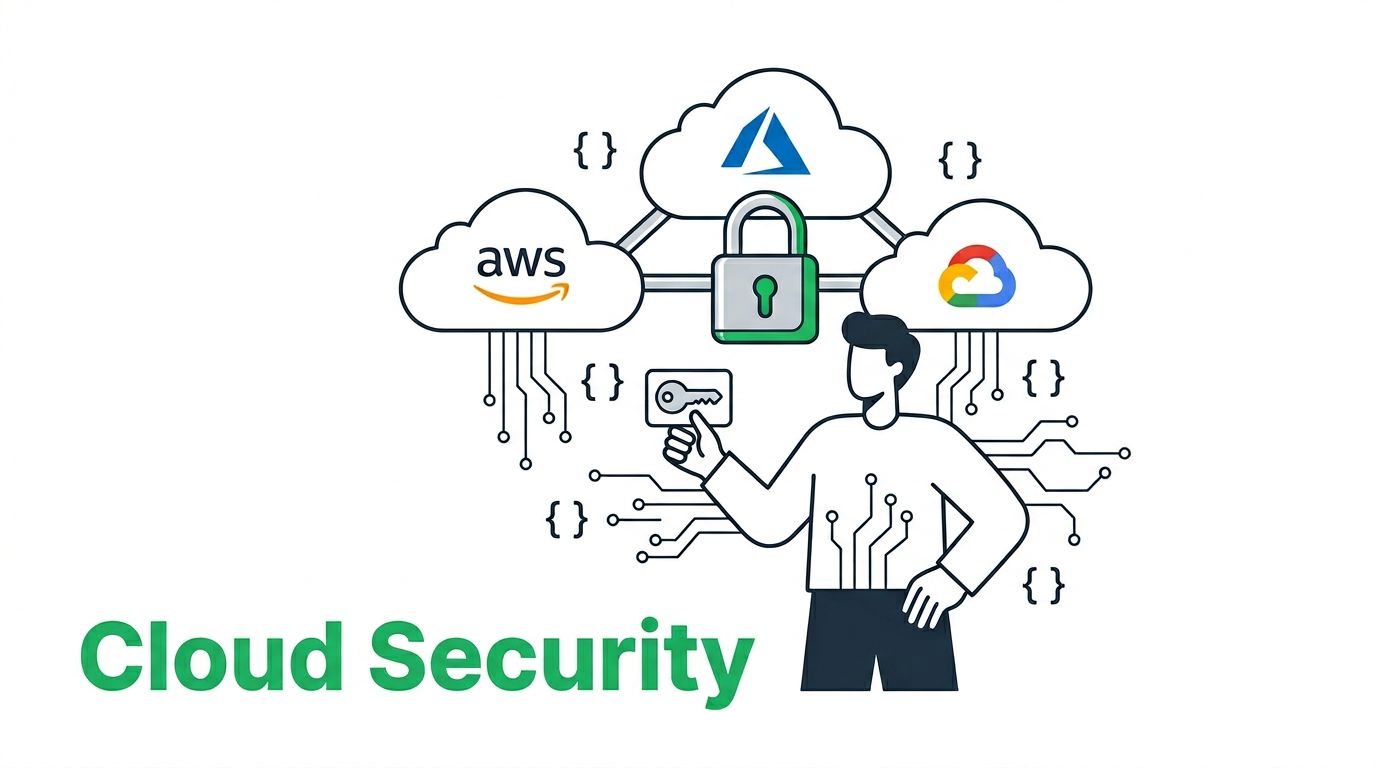
A good consultant, ideally holding certifications like CISSP, should move easily across architecture, governance, and delivery. They should understand how AWS, Microsoft Azure, and Google Cloud each handle IAM, logging, network boundaries, and key management. They should also know when to standardize and when to keep controls cloud-specific.
They should also be fluent in DevSecOps, because security that sits outside the delivery flow gets ignored. A solid consultant can design controls that work in CI/CD, not against it.
These skills should show up in real artifacts, not just slide decks.
| Capability | What strong evidence looks like | Why it matters |
|---|---|---|
| IAM and workload access | Least-privilege roles, access reviews, break-glass design, data protection controls | Limits account takeover |
| Cloud guardrails | Policy-as-code, infrastructure as code, landing zone rules, drift checks | Reduces misconfigurations |
| DevSecOps support | CI/CD gates, secrets scanning, vulnerability assessment, secure build patterns | Finds issues before release |
| Compliance support | Control mapping, audit evidence plan, exception process | Speeds reviews |
| Multi-cloud consistency | Shared principles across AWS, Microsoft Azure, GCP | Prevents control gaps |
You don’t need someone who knows every service. You need someone who can prove the design holds up across teams and accounts.
Choose the right engagement shape
Not every hiring problem needs the same kind of help, especially during cloud migration projects or in hybrid cloud environments. Some teams need a roadmap. Others need hands-on build work. A few need both.
| Engagement type | Best fit | Watch for |
|---|---|---|
| Strategy-only advisor | You need target-state design, risk review, and cloud security assessment | No hands-on follow-through |
| Implementation partner | You need landing zones, policy-as-code, and IAM changes for project-based work (unlike ongoing managed security services) | No governance or documentation |
| Fractional security lead | You need a senior owner across teams | Too broad without deep cloud work |
That choice matters because shared responsibility can blur fast. A strong cloud security architecture consultant should tell you what belongs to the cloud provider, what belongs to your platform team, and what your app owners must own.
The best fit is usually the one that closes the gap you already have, not the one with the longest service list. If your AWS team needs guardrails and your Azure team needs identity cleanup, buy for that reality.
How to evaluate the candidate or firm
Ask for proof, not promises. A serious consultant can walk you through a past engagement such as penetration testing, explain tradeoffs in risk management, and show how they handled shared responsibility with app, platform, and security teams.

A strong interview usually covers these points:
- How did you reduce misconfiguration risk in the first 30 days?
- What did you automate in CI/CD, and what stayed manual?
- How did you map controls to regulatory compliance frameworks like SOC 2, ISO 27001, or GDPR?
- Where did IAM ownership sit, and who approved exceptions?
- What artifacts will our team keep after the engagement?
Good answers are specific. Weak answers stay vague or lean on tools without explaining process. If the consultant can’t name the logs, policies, or review points they used, keep looking.
If you want a broader scorecard for the search, Checklist for Hiring Your First Cybersecurity Professional in 2026 is a useful comparison point.
When a consultancy beats a solo hire
Sometimes you need more than one person. If your program needs architecture, IAM, DevSecOps, compliance, and data encryption support at once, cloud security consulting services can fill gaps faster. It also helps when the work must start before you can hire a full-time lead.
A good partner can bring senior cloud security, app security, identity, and automation talent into one engagement. That matters when your team needs both strategy and hands-on execution. If you are still comparing firms, a guide to vetting information security consulting firms can help you shape a shortlist.
If you want help finding the right specialist for a cloud program, Book a Discovery Call with Bud Consulting.
Frequently Asked Questions
Why is identity management the top priority for cloud security consultants in 2026?
Machine identities now outnumber human users, fueling risks like account takeovers and permission sprawl. Strong consultants design zero trust, identity-first architectures with least-privilege roles, access reviews, and break-glass procedures. This shifts focus from perimeters to continuous policy checks and clear ownership.
What evidence proves a consultant’s cloud security expertise?
Demand real artifacts: policy-as-code examples, landing zone rules, CI/CD gates, and control mappings for compliance like SOC 2 or GDPR. They should explain tradeoffs in multi-cloud IAM, logging, and drift control across AWS, Azure, and GCP. Vague tool mentions without process details signal weakness.
How do I choose the right engagement type for my team?
Assess your gaps—strategy-only for risk reviews and roadmaps, implementation for building guardrails and IAM fixes, or fractional leads for cross-team oversight. Avoid mismatches like hands-on work without documentation. The best fit clarifies shared responsibility between providers, platforms, and apps.
When should I hire a consultancy instead of a solo consultant?
Choose consultancies for complex programs needing simultaneous architecture, DevSecOps, compliance, and encryption support, especially during migrations. They deliver senior talent faster than full-time hires. Solo experts suit targeted gaps, but firms scale for multi-cloud realities.
What questions reveal a strong cloud security consultant in interviews?
Probe specifics: “How did you cut misconfigs in 30 days?” “What CI/CD stayed manual and why?” “How did you handle IAM exceptions and compliance mapping?” Strong responses detail logs, policies, and reviews. Use them to confirm the consultant makes security easier to govern long-term.
The best hire makes security easier to run
The right consultant does more than review diagrams. They deliver cloud architecture that connects identity and access management, governance, and delivery so your cloud becomes easier to manage over time.
That matters because the biggest risks in 2026 are still human-owned decisions, not just technical flaws. If you hire for clear cloud architecture, strong proof, and real ownership, you get a partner who helps the business move with less risk while stabilizing the overall environment.