table of contents
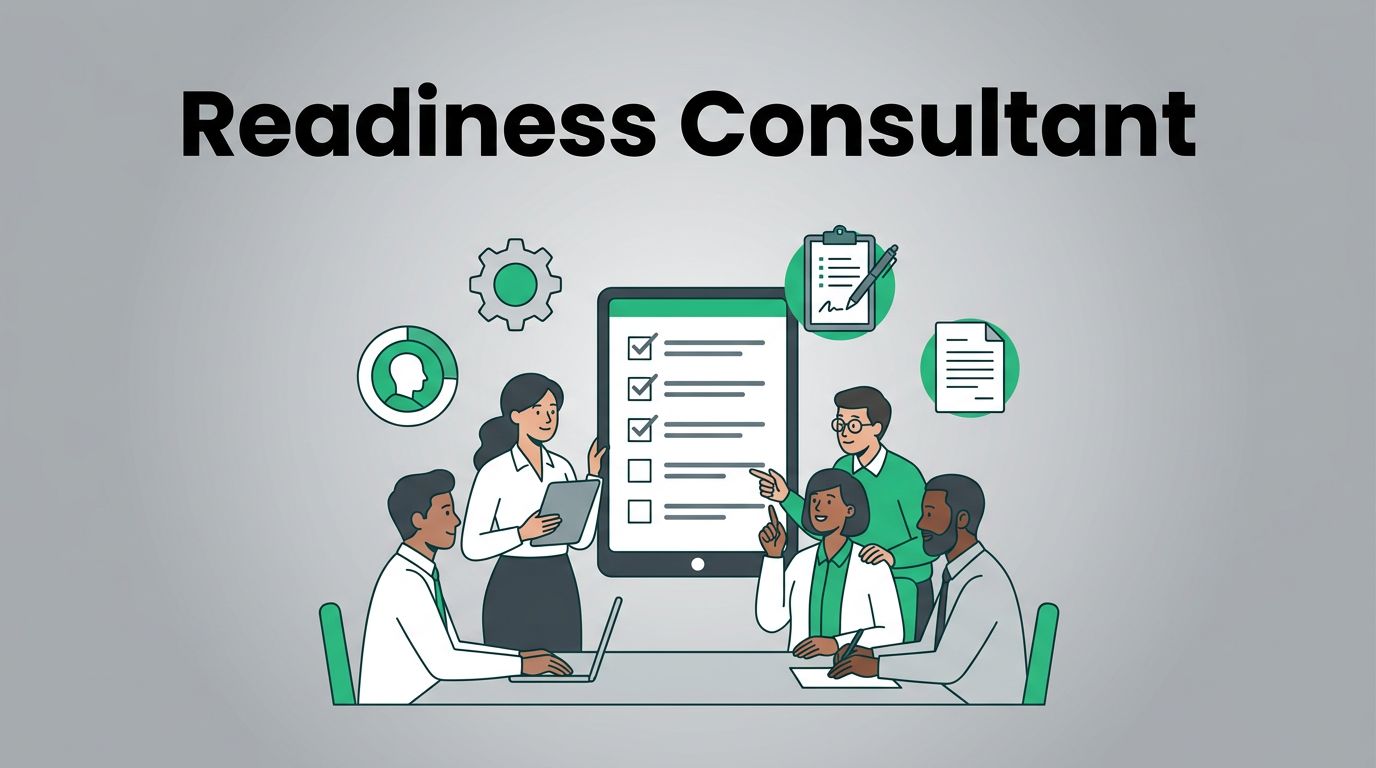
Hiring a readiness consultant sounds simple until the options start to blur together. One person may focus on change, another on launch planning, and another on audit prep. If you pick the wrong fit, you can spend money and still miss the real gaps.
The best choice starts with a clear target. Are you preparing people, systems, evidence, or all three? Once you know that, it gets much easier to compare consultants with confidence.
This guide helps you narrow the field, ask better questions, and spot weak offers before they cost you time.
Start with the kind of readiness you need
Before you compare firms, define the job. A readiness consultant can support change management, launch planning, audit prep, workforce training, or operational handoff. Each one needs a different lens.
| Readiness need | What the consultant checks | Typical output |
|---|---|---|
| Change readiness | stakeholder buy-in, communication, training, resistance | adoption plan |
| Operational readiness | process, staff, tools, timing, handoffs | go-live checklist |
| Audit or compliance readiness | evidence, controls, documentation, gaps | remediation roadmap |
| Workforce readiness | skills, roles, onboarding, coverage | capability plan |
The table is simple, but it saves money. If you need change support, you don’t want someone who only talks controls. If you need audit prep, you don’t want a coach who only runs workshops.
For change-focused work, Design To Delivery Inc’s change readiness services show how people, teams, and systems fit together. For go-live work, a formal operational readiness assessment is a better match.

A quick internal review helps too. If your team can’t explain the gap in one sentence, the consultant will need to do that work first.
Look for proof, not promises
A good readiness consultant doesn’t start with a pitch. They start with questions. They ask what will break, who owns the fix, and how the team will know it’s ready.
A strong consultant should bring a repeatable method. That means a gap review, clear scoring, and a plan you can use. It also means they can explain where their method came from.
If compliance is part of the job, look for evidence-based work, not broad claims. A useful reference is this checklist for evaluating compliance consultants.
A good readiness consultant finds the gaps you can’t see from inside the project.
They should also know how your situation changes the work. A merger needs one path. A new system launch needs another. A policy deadline needs tighter control of evidence and owners. If a consultant can’t adjust to context, they’re selling a template.
Questions that separate strong consultants from weak ones
The first meeting should feel useful, not vague. Use it to test depth.

Ask direct questions:
- What does your process look like in the first two weeks?
- What signs tell you a team is not ready yet?
- Which deliverables will we get, and when?
- How do you handle resistance from managers or staff?
- How do you measure success after the work is done?
Listen for clear answers, not long stories. The best consultants describe their method in plain language. They can also point to similar projects without overselling results.
If the work touches security, access, or technical roles, you may need a specialist. In that case, Book a Discovery Call with Bud Consulting for a focused conversation on readiness gaps tied to security talent and culture.
Watch for red flags before you sign
Some warnings show up fast. A weak consultant may promise a quick fix before learning your scope. They may also dodge questions about references, timelines, or sample outputs.
- They sell a generic process before they understand your goals.
- They can’t explain how they diagnose readiness gaps.
- They avoid naming the people or data they need from your team.
- They give a fixed price without defining scope.
- They talk around results instead of showing deliverables.
For audit-heavy work, ask how they document evidence and track remediation. That matters because missing records create delays later, as audit readiness guidance from WG Consulting explains. The right consultant should make the process clearer, not more confusing.
Choose the consultant who matches the problem
The best readiness consultant fits the kind of readiness you actually need. That sounds simple, but it’s where many teams go wrong. A consultant who understands your project type can save time, reduce confusion, and surface issues early.
Start with the outcome, then test the method. If the consultant can explain both clearly, you’re close to the right hire. If not, keep looking.
The goal isn’t to buy advice. It’s to get a clearer path before the deadline, launch, or audit hits.