table of contents
A security incident can become a trust problem in minutes. If the message is weak, the damage spreads faster than the event itself.
That’s why hiring a security communications lead takes more than finding a strong writer. You need someone who can translate technical risk, steady executives, and keep legal and security teams moving in the same direction.
What this role really owns
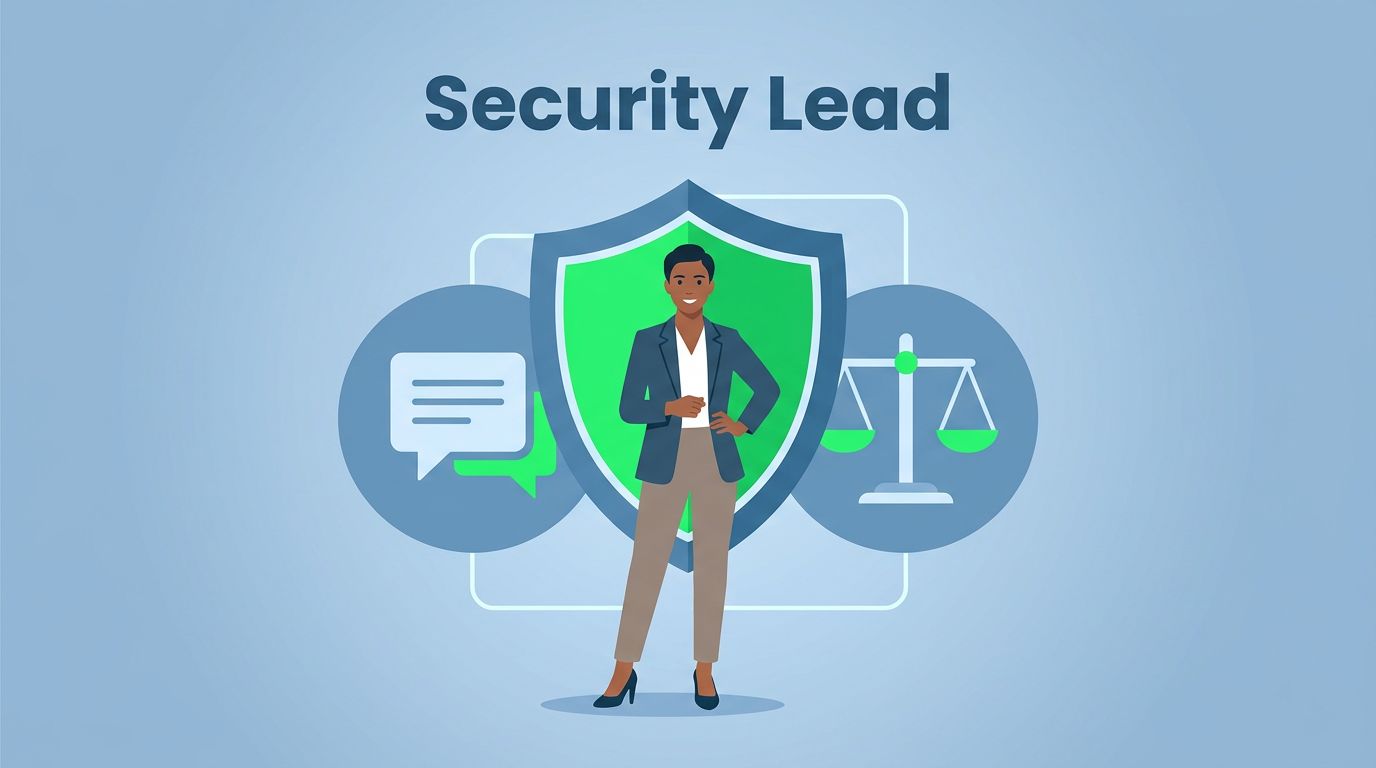
This role sits between security, legal, and the public face of the company. It’s not a press-release job in a nicer title.
A strong candidate shapes the first holding statement, prepares executive briefings, and helps decide what different audiences should hear. That includes employees, customers, regulators, analysts, and sometimes the media.
Look at senior roles at Trellix and Keyfactor, and you’ll see the same pattern. The best postings blend trust-building, executive messaging, and enough technical context to avoid confusion.
In 2026, that mix matters even more. AI misuse, synthetic content, and disclosure pressure now shape how security stories land.
Skills that separate strong candidates

Cross-functional communication
The right hire can move across teams without friction. They know how to talk to a CISO, calm a general counsel, and brief a CEO in plain language.
That skill shows up in small moments. Do they ask the right questions before drafting a statement? Do they summarize technical detail without losing the meaning? Can they disagree politely and still keep the group aligned?
You want someone who has worked inside real decision loops. They should know how to carry a message from the incident room to the boardroom without distorting the facts.
Crisis response and incident disclosure
Crisis work is where the best candidates stand out. They don’t freeze when facts are incomplete.
They know how to build a first response, what to hold back, and when to escalate. They also understand that disclosure needs speed, accuracy, and legal review. All three matter.
If a candidate can explain a breach to a CFO, a lawyer, and a reporter without changing the facts, you’re close to the right hire.
This is where domain fluency matters. A security communications lead should know the basics of attack paths, containment, and material impact. They don’t need to be a security engineer, but they do need to speak the language.
Executive presence and media judgment
Senior leaders need a calm guide, not a performer. The best candidates bring steady posture, sharp listening, and short answers that hold up under pressure.
They should also know how to handle media or stakeholder questions without overexplaining. Good executive presence sounds clear, direct, and controlled.
That matters in the boardroom and on the record. If a candidate can’t make a complex issue sound simple, they’ll struggle when the pressure rises.
How to test for the right fit

A resume won’t show you how someone behaves during a live incident. Use interviews and work samples that reveal judgment.
- Ask for a real crisis story.
Have them walk through a security event they helped manage. Listen for structure, speed, and clarity. - Give them a scenario with incomplete facts.
A ransomware event, a vendor breach, or an AI-generated false claim works well. See how they set priorities. - Test audience switching.
Ask for three versions of the same update, one for executives, one for employees, and one for external use. - Check how they work with legal and security.
Strong candidates can explain how they balance speed with review. They should know where the pressure points are.
If you want a useful comparison point, TestGorilla’s guide to hiring communications managers is a good reminder that communication roles should be evaluated with real scenarios, not vague talk.
2026 hiring factors that matter more now
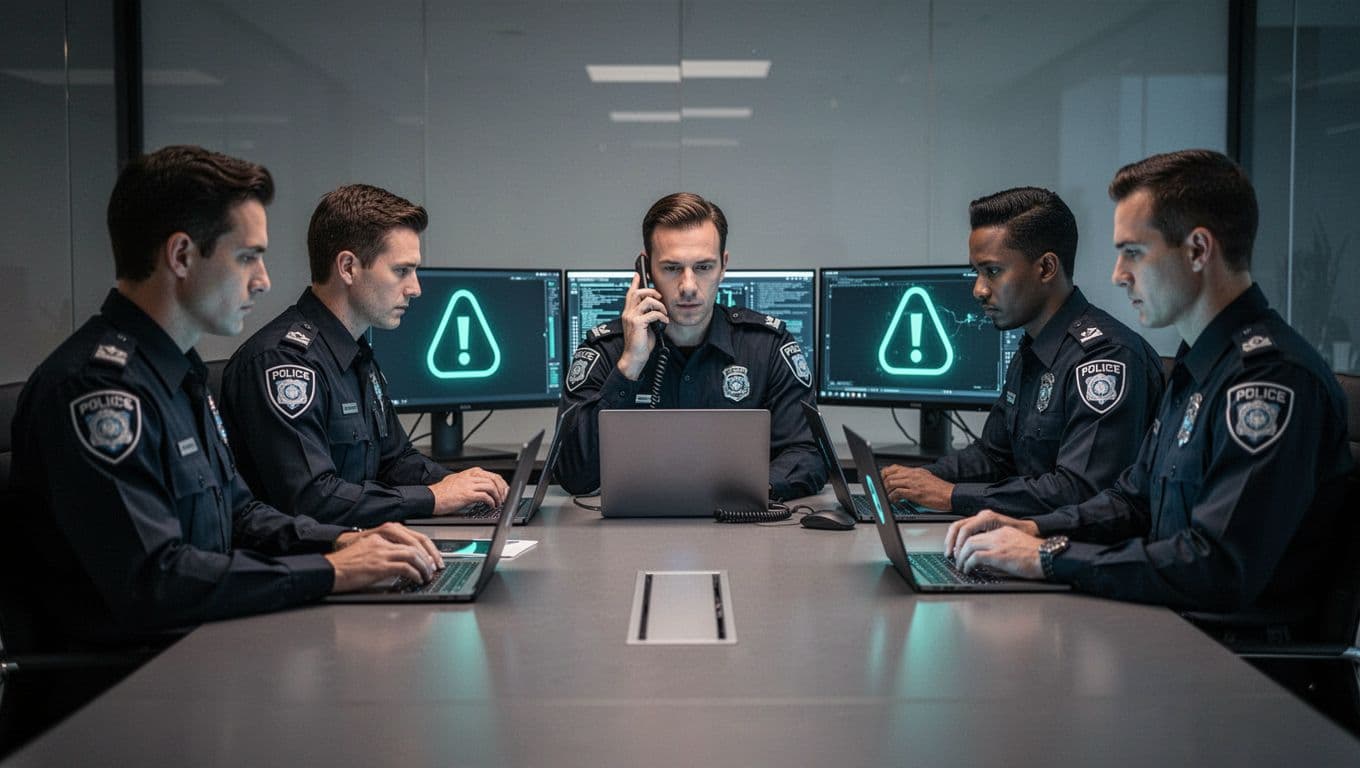
The hiring bar has changed this year. AI risk, public scrutiny, and faster disclosure timelines have raised the stakes.
- AI reputational risk is now part of the job. Your hire should know how to speak about deepfakes, model misuse, hallucinated output, and data leakage without creating panic.
- Incident disclosure expectations are tighter. The best candidate understands how to support timely updates while legal, security, and leadership review the facts.
- Cross-functional coordination can’t be improvised. Your lead should already know how to work with security operations, legal, HR, customer teams, and corporate comms.
- Stakeholder trust matters before and after the incident. They should help shape employee guidance, customer updates, and executive talking points.
Recent 2026 hiring trends show that teams want people who can pair communication skill with risk fluency. That’s especially true in security, where the message can affect customer trust as much as the event itself.
Where to find the strongest candidates
The best talent often comes from three places. First, corporate communications teams inside security or SaaS companies. Second, crisis and public affairs roles with regulated-industry experience. Third, security-adjacent roles where the person has already sat in incident reviews and executive briefings.
You’ll also see value in candidates who have worked at cyber vendors, because they’ve already had to explain technical issues to non-technical audiences. That background often shortens the learning curve.
If you need help building a shortlist or pressure-testing finalists, Book a Discovery Call with Bud Consulting to compare candidates with the demands of the role.
The best hire won’t just write well. They’ll keep facts straight, calm people down, and help leaders speak with one voice when it matters most.
In a year when AI risk and disclosure pressure keep rising, that mix is what turns a good communicator into the right security communications lead.