table of contents
Human risk assessment services measure how people create cyber risk, then turn that data into actions your security team can use. They’re built for CISOs, awareness leaders, and risk teams that need more than training completion stats.
For enterprise buyers, the real question is simple: which service gives you usable risk insight, fits your stack, and scales without adding noise? The answer changes by contract, region, and product tier, so compare the actual package, not the sales slide.
Table of contents
- How human risk assessment services work
- Human risk assessment services compared for enterprise teams
- How to choose between platform-led and service-led models
- FAQ
Suggested URL slug: /human-risk-services
How human risk assessment services work
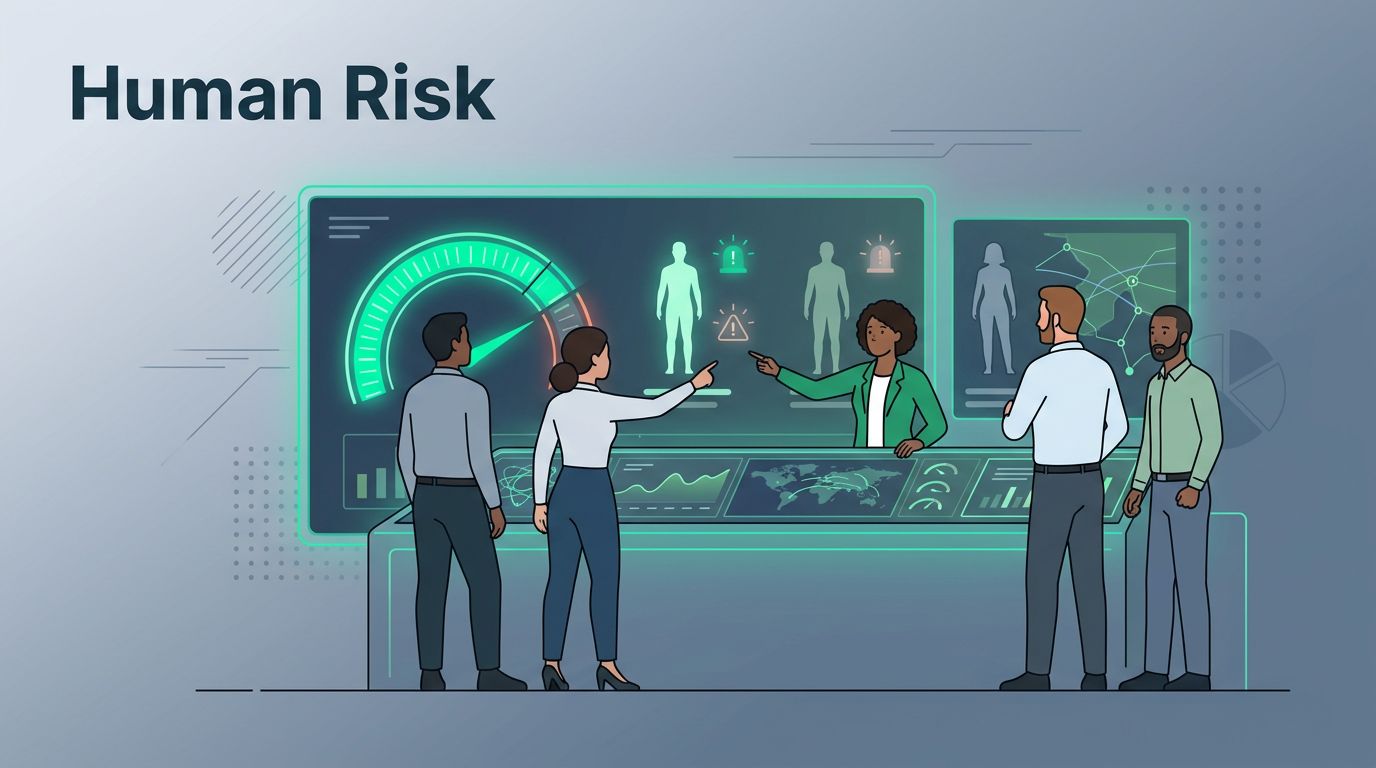
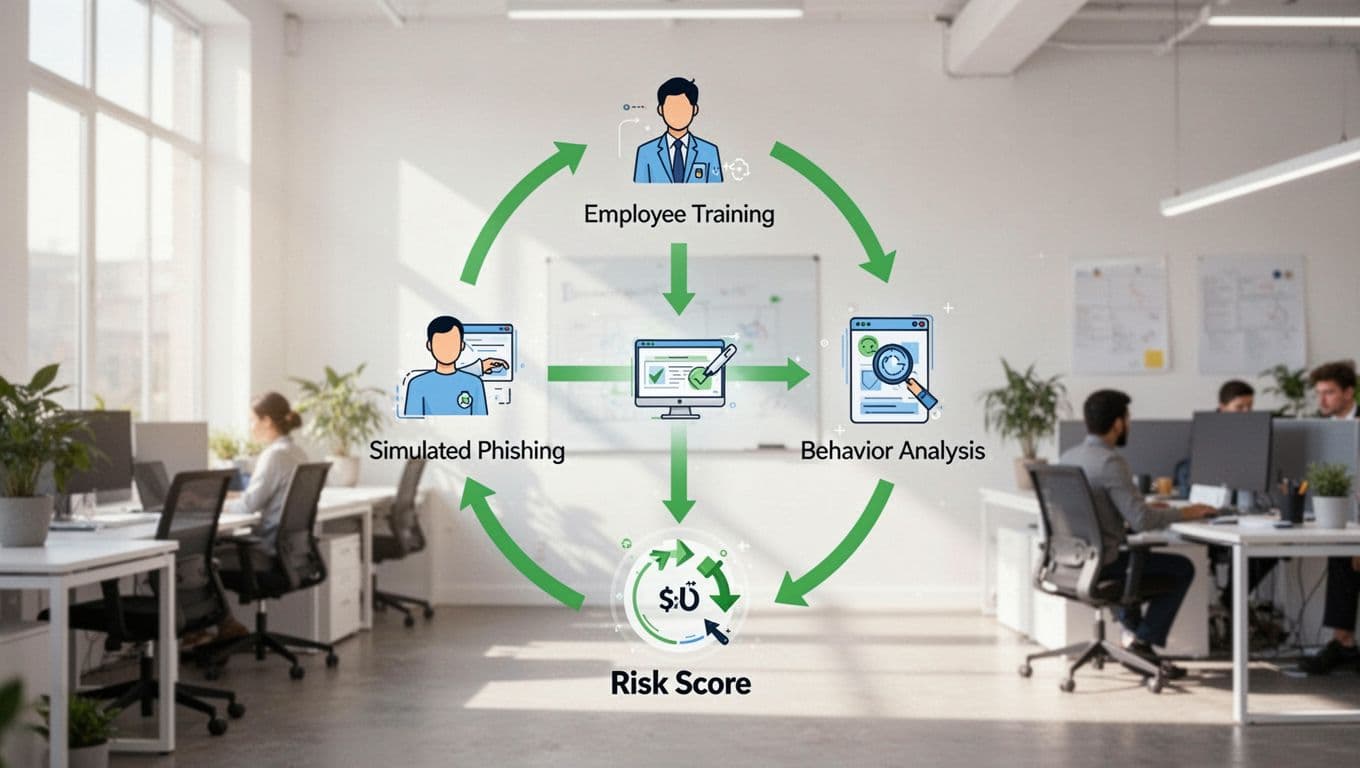
Think of these services as a smoke alarm for people risk. They watch for risky habits, weak spots, and repeat mistakes, then convert that into a score or risk profile.
Most enterprise programs use a mix of phishing simulations, behavior tracking, identity signals, and targeted coaching. Some also bring in outside-in intelligence on exposed executives, third parties, or social engineering threats. For a broader view of how that intelligence reaches the SOC, see SOC human risk visibility.
The best programs do three things well. They measure risk, explain why it exists, and show how it changes over time. If they can’t do all three, the dashboard becomes decoration.
Risk scores only matter when they change decisions, like who gets coaching, what gets escalated, and where controls should tighten.
Human risk assessment services compared for enterprise teams
A good shortlist usually starts with five names, although the right fit depends on whether you want training, scoring, email defense, or analyst support. The table below gives a practical view of current enterprise options.
| Provider | Core capabilities | Enterprise fit | Reporting and analytics | Integration considerations | Service model | Strengths | Limitations | Ideal customer profile |
|---|---|---|---|---|---|---|---|---|
| Hoxhunt | Adaptive phishing simulations, behavior-based coaching, risk tracking | Strong for large, distributed teams | User and team trend views, behavior change reporting | Common email and identity integrations, exact connectors vary | SaaS with customer success | High engagement and clear behavior change signals | Less focused on deep analyst-led investigations | Teams that want measurable behavior shifts |
| CybSafe | Risk scoring, behavior science, dashboards | Good for teams that want measurement first | Per-user scores, cohort trends, admin reporting | SSO, HR, and security stack links vary by tier | SaaS platform | Clear scoring model and useful analytics | Training depth can be lighter than suite vendors | Security teams that need cleaner risk data |
| KnowBe4 | Awareness training, phishing tests, automation, risk scoring | Strong for broad enterprise rollout | Dashboards, trends, exports, executive views | Wide Microsoft, Google, AD, and SIEM support | SaaS plus modular add-ons | Broad feature set and large content library | Can feel training-heavy if you want a narrow risk program | Large orgs that want one platform |
| Proofpoint | Email security with human-risk signals and training | Strong where email risk is the main concern | Alerts, benchmarks, compliance reports | Office 365, ServiceNow, threat intel, and other connectors vary | Suite platform | Good fit for email-driven risk management | Best when email security is already central | Teams standardizing on Proofpoint |
| Cofense | Phish reporting, simulations, user reporting workflows | Strong for response-driven environments | Phish analytics, heat maps, user reports | Email gateways, EDR, ticketing, and APIs | SaaS platform | Good suspicious-email reporting and response flow | Less broad than full-suite vendors | Teams that care about reporting and response |
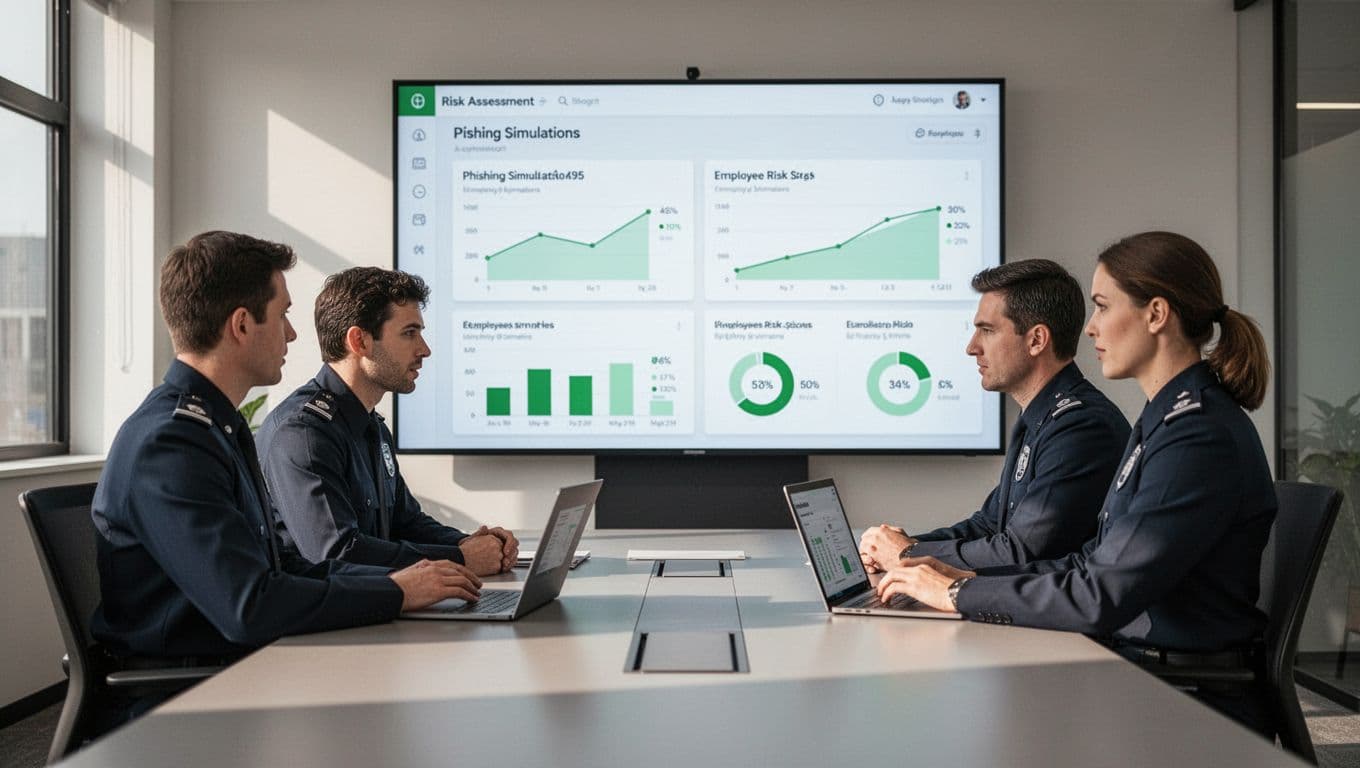
The pattern is clear. Hoxhunt and CybSafe lean harder into behavior and scoring. KnowBe4 gives you broad coverage. Proofpoint fits email-led programs. Cofense works well when reporting and response are the priority. For a separate scoring-focused comparison, the human risk score platforms compared guide is a useful reference.
How to choose between platform-led and service-led models
Platform-led services work well when your team wants repeatable workflows and clean dashboards. Service-led assessments make more sense when you need outside expertise, executive-level context, or help mapping human risk to active threats.
The choice usually comes down to three things:
- If you need broad rollout across many users, favor a platform.
- If you need investigation and advisory depth, favor a service.
- If your SOC wants live signals, ask how the vendor handles identity, email, and SIEM integrations.
A service-led model such as risk assessments for human-driven threats can fit teams that want analyst support around people, partners, and process risk. That approach is useful when the board wants context, not just a score.
If you want a neutral way to compare both models against your environment, Book a Discovery Call with Bud Consulting and pressure-test your shortlist against your stack and operating model.
FAQ
Are human risk assessment services the same as security awareness training?
No. Training is only one input. Human risk assessment services also measure behavior, track patterns, and show where risk is concentrated.
What should enterprise teams ask in a vendor demo?
Ask how the score is built, what data sources feed it, and how often it updates. Then ask for examples of executive reporting and integration setup.
Do these services work for regulated industries?
Yes, but the reporting has to fit your audit needs. Teams in finance, healthcare, and insurance often care most about traceability, access control, and documented remediation.
How often should risk be reviewed?
Monthly works for many programs. High-risk groups, active campaigns, or major incidents may need weekly review.
Conclusion
The best human risk assessment services do more than flag clicks. They show which behaviors matter, where exposure sits, and what to do next.
For enterprise security teams, that makes the difference between a training program and a real control. Pick the model that fits your operating style, then measure whether it changes behavior in ways the business can see.