table of contents
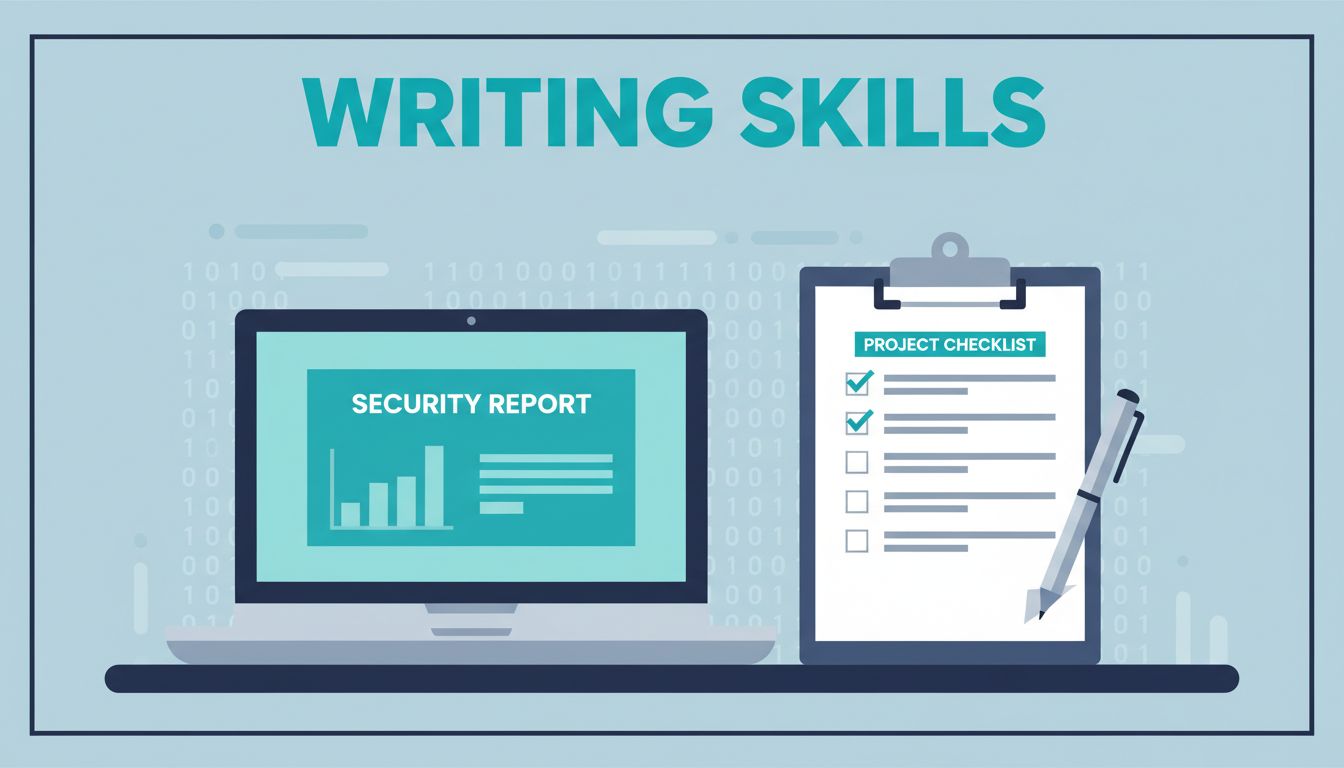
A strong security résumé can hide weak writing. In cybersecurity, that gap shows up fast when an incident hits, a leader asks for a summary, or a client needs a clear answer.
If a candidate can’t explain risk in plain language, they can slow decisions and blur priorities. That’s why cybersecurity writing skills matter as much as tool knowledge or technical depth.
The best hiring process looks past grammar alone. It checks accuracy, structure, audience fit, and the ability to explain risk without drama.
Review writing the candidate has already done
Past work tells you a lot, especially when it comes from real security tasks. Ask for sanitized incident reports, vulnerability notes, policy drafts, change summaries, or client updates. Public writing can help too, but internal samples usually show more of the real job.
Look for clear openings, tight logic, and correct use of security terms. A good sample should help a reader understand what happened, why it matters, and what comes next. If the writing feels muddy, the same pattern may show up in incidents or executive briefings.
Also, pay attention to audience control. A senior analyst should write differently from a junior engineer, and a consultant should sound different from a SOC teammate. For a useful benchmark, LinkedIn’s advice on assessing technical writing skills follows the same idea: judge real work, not theory.
Don’t score samples on grammar alone. A polished paragraph with weak facts is still a weak sample.
Use short exercises that mirror real security work
Past writing helps, but it doesn’t show how someone writes under time pressure. A short test can reveal that without turning the interview into schoolwork. Keep it brief, job-linked, and easy to review.

Use prompts that match the work the person will do. For example:
- Write a 100-word incident summary from a short bullet list.
- Explain a medium-risk vulnerability to a non-technical manager.
- Draft an executive update after a phishing event.
- Recommend remediation steps for a cloud misconfiguration.
The best tests force the candidate to choose what matters most. That means they have to sort signal from noise, which is a daily task in security. If you want a model for this style of screening, how to test writing skills in an interview makes the case for short, role-based exercises.
Set a tight time limit, then keep the scoring simple. Fifteen to twenty minutes is usually enough. Long prompts reward typing speed. Short ones reveal judgment.
Score the right things with one clear rubric
A rubric keeps the process fair and repeatable. It also stops interviewers from scoring based on taste. Before you send out the exercise, decide what good looks like.
That starts with defining the criteria in advance, a point echoed in the NIST guide on writing effective cybersecurity hiring rubrics.
| Criterion | What good looks like | Why it matters |
|---|---|---|
| Accuracy | Uses correct security terms and facts | Wrong details create bad decisions |
| Structure | Has a clear opening, middle, and close | Busy readers need a fast path |
| Concision | Says enough without padding | Security teams read under pressure |
| Audience awareness | Adjusts tone for technical and non-technical readers | The same issue needs different language |
| Risk communication | Shows impact, urgency, and next steps | Leaders need action, not noise |

That table gives you a repeatable scorecard. More importantly, it keeps the team focused on the writing that protects the business.
Grammar still matters, but it shouldn’t drive the whole score. A clear, accurate answer with one typo is far better than polished fluff that hides the issue.
Match the test to the role and seniority
Writing expectations change by role, and they should. A SOC analyst may need crisp incident notes. A cloud security engineer may need precise remediation steps. A consultant or security leader may need to write for executives, clients, or board members.
That means one exercise won’t fit every hire. An entry-level candidate can show basics with a short incident summary. A senior candidate should handle a more layered task, such as an executive update that balances risk, business impact, and urgency.
If the role includes client contact, look for tone as well as content. If it includes leadership, check whether the candidate can simplify without sounding vague. Strong writers in cybersecurity know how to change shape for the reader.
If your team wants help building a more consistent hiring process, Book a Discovery Call with Bud Consulting.
The goal is not perfect prose. It’s reliable communication when the pressure is real.
What strong cybersecurity writing really tells you
Good writing shows how a candidate thinks. It reveals whether they can sort facts, frame risk, and speak to the right audience.
When you review real samples, use short job-based exercises, and score with a clear rubric, you get a much better read on the person behind the résumé. That’s the clearest test of cybersecurity writing skills, and it matters long after the interview ends.