table of contents
What happens after a scan, pen test, or audit lands on the table? Too often, the conversation gets stuck on severity labels, and nothing moves. A security findings workshop gives you a better path, as long as the room has a clear goal, the right people, and a way to turn technical issues into business decisions.
The best sessions feel focused, not rushed. They sort the findings, translate risk into plain language, and end with owners and dates. This format works across AppSec, cloud, infrastructure, and compliance findings.
Prepare the room before anyone talks
Start the work before the meeting starts. Send a short pre-read at least a few days ahead, so people can review the facts and come ready to decide. If the right owner is missing, the workshop turns into a status update instead of a decision session.
Your pre-work packet should include the findings list, supporting evidence, and the system or process affected. Add any known controls, open questions, and business context. For example, a weak TLS setting on a public service matters more than the same issue on an isolated lab box.
A simple prep list can help:
- the report or findings summary
- screenshots, logs, or proof notes
- the affected service or control
- current compensating controls
- questions that need answers
If your team already runs structured sessions, this threat modeling workshop walkthrough shows a useful way to keep discussion tight.
| Segment | Time | Goal |
|---|---|---|
| Scope and ground rules | 10 min | Align on purpose |
| Findings review | 20 min | Confirm facts |
| Risk discussion | 20 min | Translate impact |
| Prioritization | 15 min | Rank actions |
| Owners and dates | 15 min | Assign work |
A short agenda like this keeps the room moving. The takeaway is simple, prepare people before the call so the workshop starts with shared context.
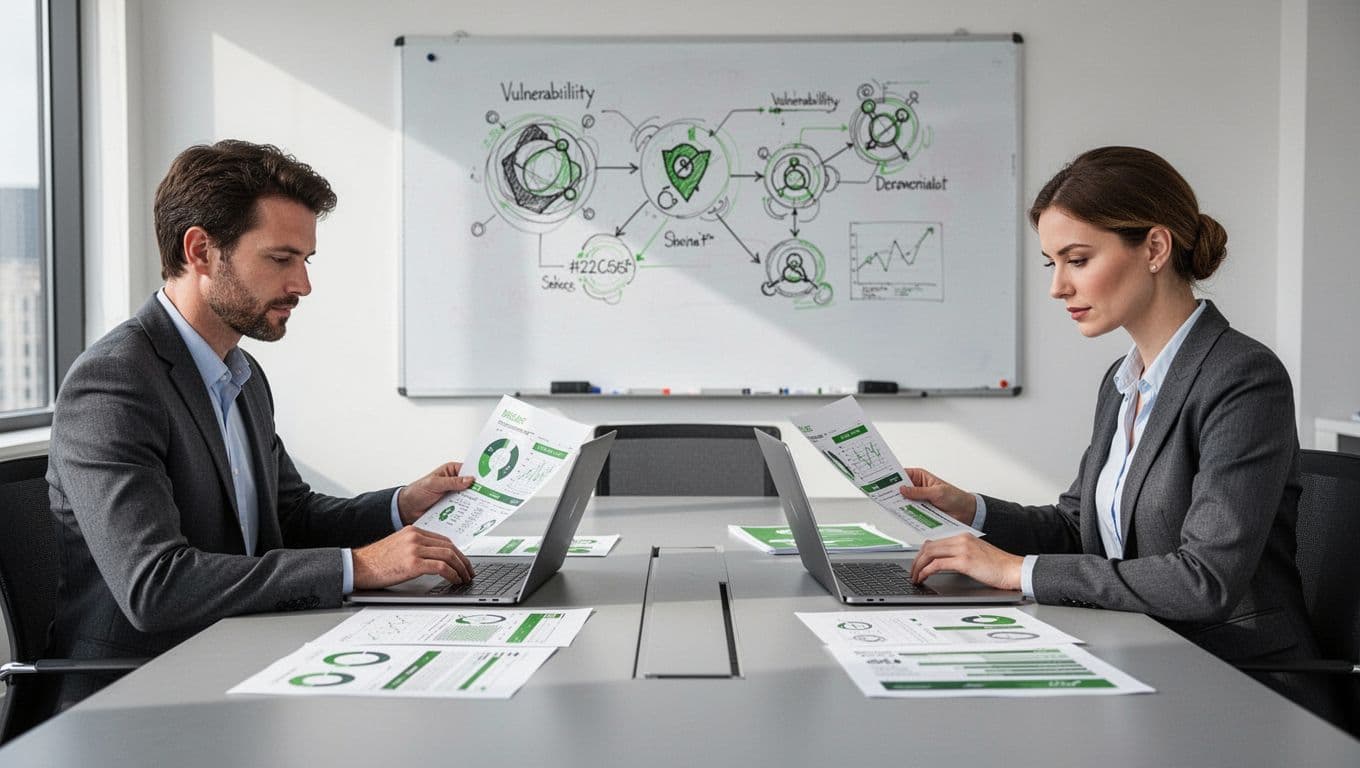
Open with scope, rules, and the decision you need
Start the meeting by naming the outcome. Say what the team must leave with, such as agreed priority, owner, and next step for each finding. That keeps the conversation from drifting into long technical side trips.
Then set a few rules. Facts come first. Opinions need evidence. If a debate needs more data, park it and assign follow-up. Those rules sound simple, but they stop the loudest voice from taking over.
It also helps to define the decision model. For example, ask the group to judge each finding by business impact, exploitability, exposure, and fix effort. That gives people a shared lens, even when they come from different teams. Security engineers care about technical details, while managers need to see delivery risk and deadlines. Both views matter.
A workshop that starts with clear rules feels faster because it avoids repeated arguments. Remediation mapping for red team findings is a good reference if you want a practical model for turning test results into action.
Translate technical findings into business risk
This is the part that makes the workshop useful. A finding is easy to discuss when it reads like a business event, not a scanner result. Instead of saying “high severity auth issue,” explain what could happen, who would be affected, and what the company could lose.
Focus on plain outcomes:
- customer or employee data exposure
- unauthorized access or privilege gain
- service outage or degraded performance
- audit failure or control breakdown
A finding that only lives as a CVSS score rarely gets fast action. A finding tied to data, uptime, or compliance usually does.
You do not need to exaggerate. You do need to connect the issue to a real asset, a real user, and a real consequence. For a cloud finding, that may mean public access to storage or overbroad IAM. For AppSec, it may mean account takeover or injection into a customer flow. For infrastructure, it may be a weak admin path or exposed management service. For compliance, it may be a control gap that breaks a required policy.
If the report needs cleaner wording, this guide to documenting security findings and remediation advice is a solid companion read.
Prioritize findings and assign owners in the room
Once the risk is clear, rank the work. Use business impact first, then likelihood, exposure, and fix effort. A low-effort fix on a public, high-impact path often belongs ahead of a complex issue with limited reach.
This is where the workshop becomes a working session. Put each finding on the screen, talk through the risk, then decide whether to fix, mitigate, accept, or defer. If the team needs a temporary control, capture that too. A due date without a mitigation plan often slips.
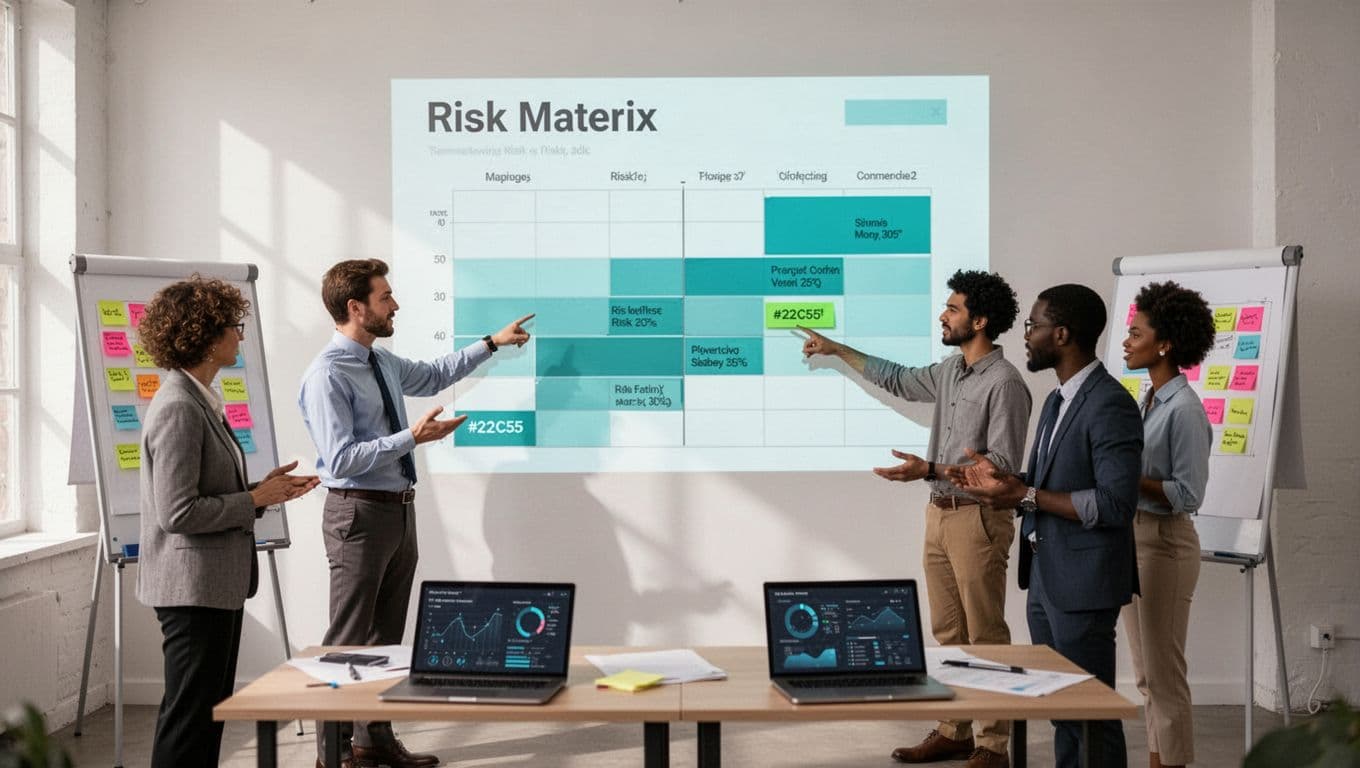
Use a simple ownership format:
- finding ID
- business system or control affected
- agreed risk statement
- technical owner
- business approver
- target date
- interim control, if needed
If the owner cannot speak for the system, pause and find the right person. Otherwise, the meeting ends with fake accountability. If the finding is serious and cross-functional, pull in engineering managers, cloud owners, or compliance leads before the deadline is set. That makes the plan realistic.
Capture decisions and follow up fast
The workshop is only useful if the output is clear. Write a decision log during the meeting, not after it. Keep it short, factual, and easy to scan. Include the finding, the decision, the owner, the date, and any blocker that needs another conversation.
A clean decision log usually includes:
- finding reference and title
- agreed risk level
- owner and approver
- remediation target date
- temporary control or exception
- next review date
Send the notes within 24 hours. That keeps momentum while the discussion is still fresh. It also reduces the chance that someone “remembers” a different decision next week.
If a decision isn’t written down, it didn’t happen.
Before closing, review the next actions out loud. Ask who owns each follow-up, what success looks like, and when the team will check progress again. If the workshop creates recurring work, schedule the next checkpoint before people leave.
The common mistakes that slow remediation
A few patterns hurt these workshops again and again. First, too many people join without a clear role. Second, teams spend too long proving the finding instead of fixing it. Third, owners get named too loosely, so the work lands nowhere. Finally, people leave without dates, and the issue slides into the next quarter.
The fix is simple. Keep the group small enough to decide, bring evidence that answers basic questions, and end with written commitments.
If you need help shaping the format for your next session, Book a Discovery Call with Bud Consulting and pressure-test the agenda before the meeting starts.
A strong security findings workshop does not need drama. It needs prep, plain language, and a clear line from issue to owner. When the room leaves with agreed risk, action, and deadlines, the findings stop being a report and start becoming work.