table of contents
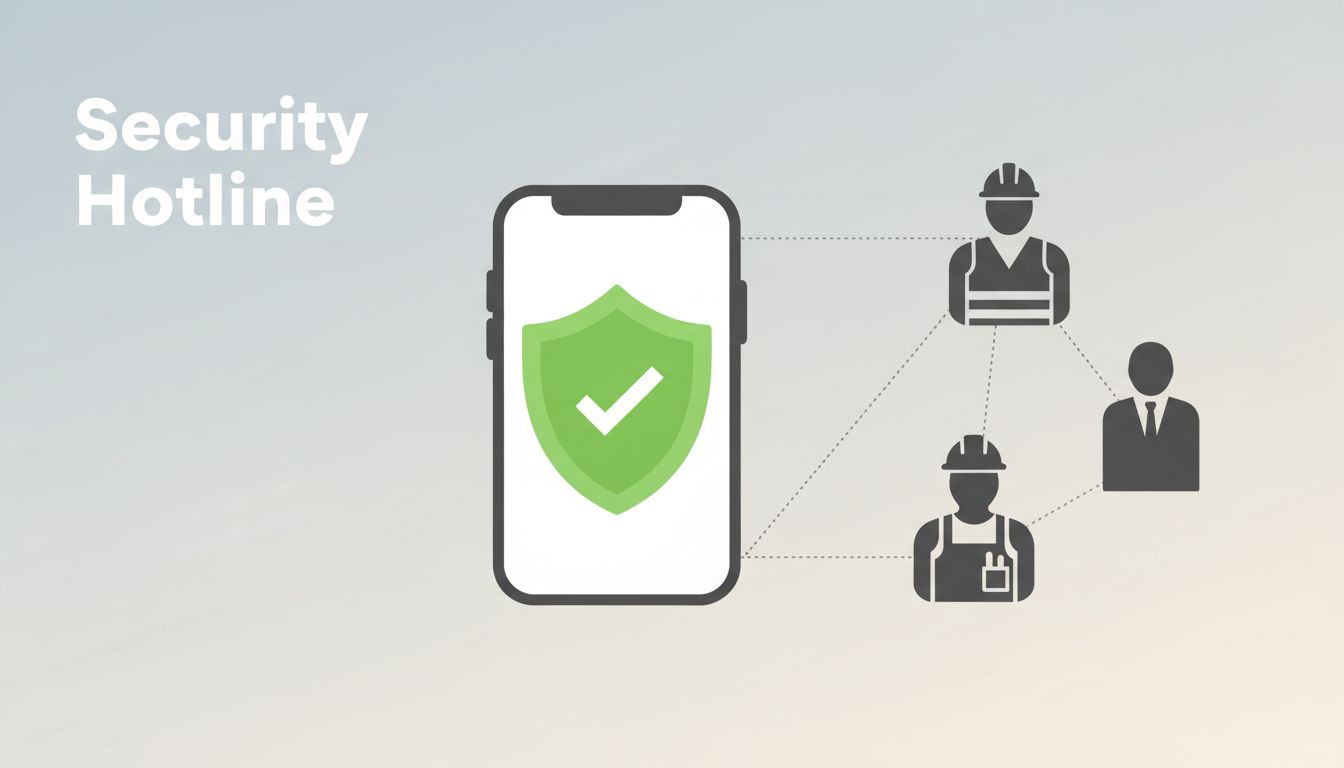
A security hotline only works when people trust it. If staff think their name will leak, they stay quiet, and small warning signs turn into bigger losses. A good hotline gives employees and contractors one safe path to report concerns, from suspicious activity to policy breaches.
The goal is clear intake, confidentiality, and timely follow-up. Done well, it becomes an early warning system, not just another phone number.
Why a Security Hotline Matters
Employees often see problems first. A warehouse worker notices a propped-open door. A contractor receives a strange file. A manager spots repeated access changes that do not match job needs. A security hotline gives those concerns a direct path to the right team.
Without it, people guess who to tell. That leads to delays, rumors, and lost evidence. With it, you create a written trail and a faster response.
A hotline is only useful when people believe it will protect them.
It also helps leaders spot patterns. One report may look small. Three similar reports may point to a bigger issue with access, vendor behavior, or internal conduct.

What Employees Should Report
A hotline works best when people know what belongs there. Keep the guidance simple and practical.
- Suspicious emails, links, or messages that look like phishing.
- Lost badges, keys, laptops, or other company property.
- Unauthorized visitors, tailgating, or door access issues.
- Data sent to the wrong person or stored in the wrong place.
- Missing records, unusual system access, or strange account changes.
- Policy bypass, coercion, harassment, or retaliation tied to risk.
- Broken locks, dead cameras, or other physical security gaps.
If a situation could expose people, systems, or data, it belongs in the queue. That includes events that start as safety issues and end as security problems.
Give examples in your policy and onboarding materials. People report more when they can picture the kind of issue you want to hear about.
Build Trust Before You Launch
The hotline should feel safe, simple, and easy to find. Offer a phone line with voicemail, plus a backup web form or email if your team wants another channel. Tell people whether reports can be anonymous, what details help, and who can see the case.
Keep the message plain. Employees do not need legal language. They need to know that the company will listen and act.
Train a small review group and limit access to case details. Do not let reports spread through large email threads or open chat rooms. That is where trust breaks down. Also publish an anti-retaliation statement in clear language. Staff should know that raising a concern will not hurt pay, shifts, reviews, or contract status.
If you need help shaping the intake model and culture rollout, Book a Discovery Call with Bud Consulting.
Set Up the Intake and Review Workflow
Before launch, write down who answers, who triages, and who investigates. Keep the steps short and repeatable.
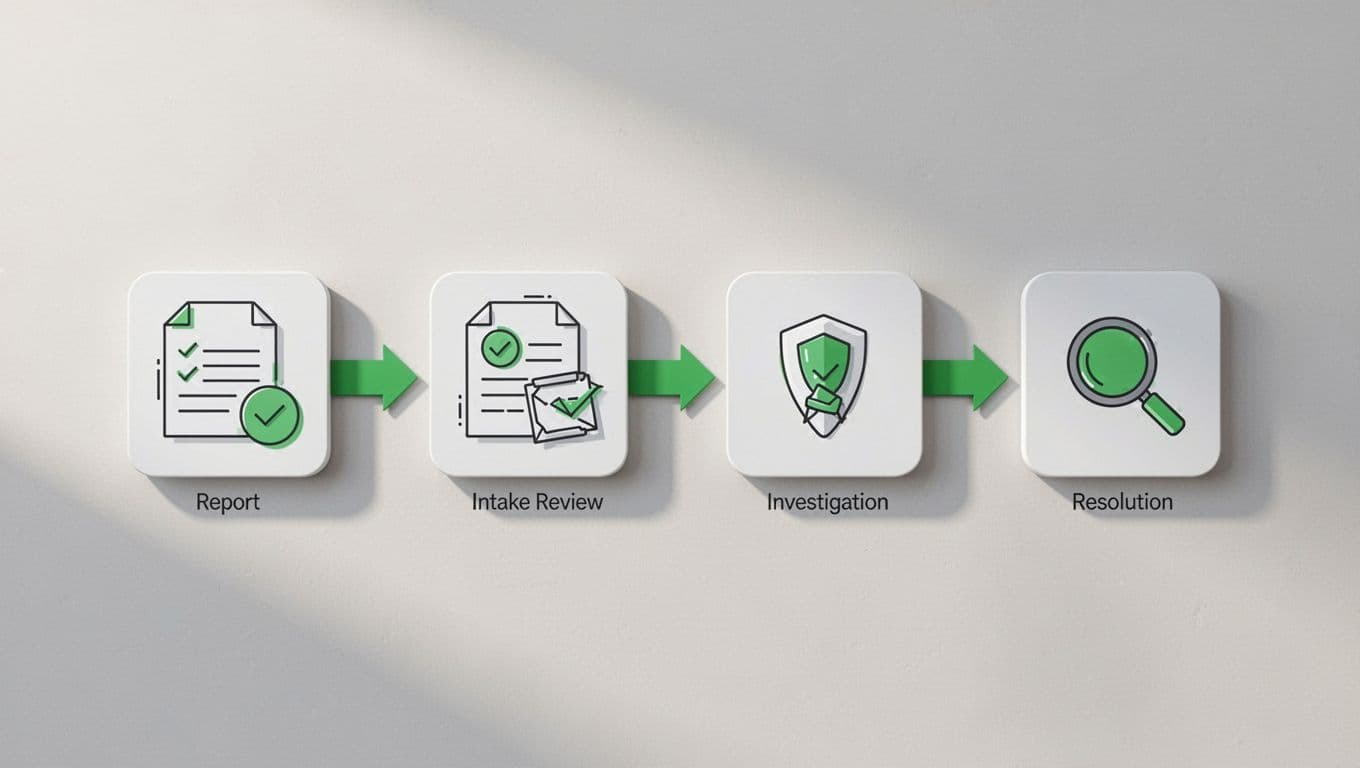
- Capture the report, including time, topic, source, and any urgent risk.
- Sort it by severity, then decide whether security, HR, IT, legal, or operations should join.
- Assign one owner and one backup, so the case never stalls.
- Gather facts, preserve evidence, and keep the review need-to-know.
- Close the case, document the outcome, and set follow-up dates.
Add service targets for first response and initial review. A simple timer is better than an open-ended promise. If the reporter says someone is in immediate danger, the hotline needs a fast path to escalation, not a standard queue.
A shared log works well for small teams. Larger teams may need a case system, but the workflow should stay easy to explain.
Keep Confidentiality and Anti-Retaliation Real
Confidentiality fails when too many people can see a report. Use role-based access, store files in one controlled place, and keep case notes out of general email. If the hotline accepts anonymous tips, protect caller details and strip identifying notes before wider review.
Retaliation checks matter just as much. Watch for schedule cuts, denied overtime, hostile comments, or sudden exclusion from meetings after a report. Managers need clear instructions, because retaliation often looks subtle at first.

Work with legal counsel on local reporting and retention rules. That step matters because requirements can change by region and industry.
Keep the Hotline Useful After Launch
Test the line often. Call it after hours. Submit a sample report. Measure response time, resolution time, and repeat issues. Those numbers show whether the process works or only looks good on paper.
For small and mid-sized organizations, start simple. One trained owner, one backup, and one documented workflow are enough to begin. Add more channels only when your team can support them well.
If you want help aligning the hotline with security culture and reporting discipline, Book a Discovery Call with Bud Consulting.
When staff know the line is private, clear, and followed up fast, they use it. That is what turns a hotline into an early warning system.