table of contents
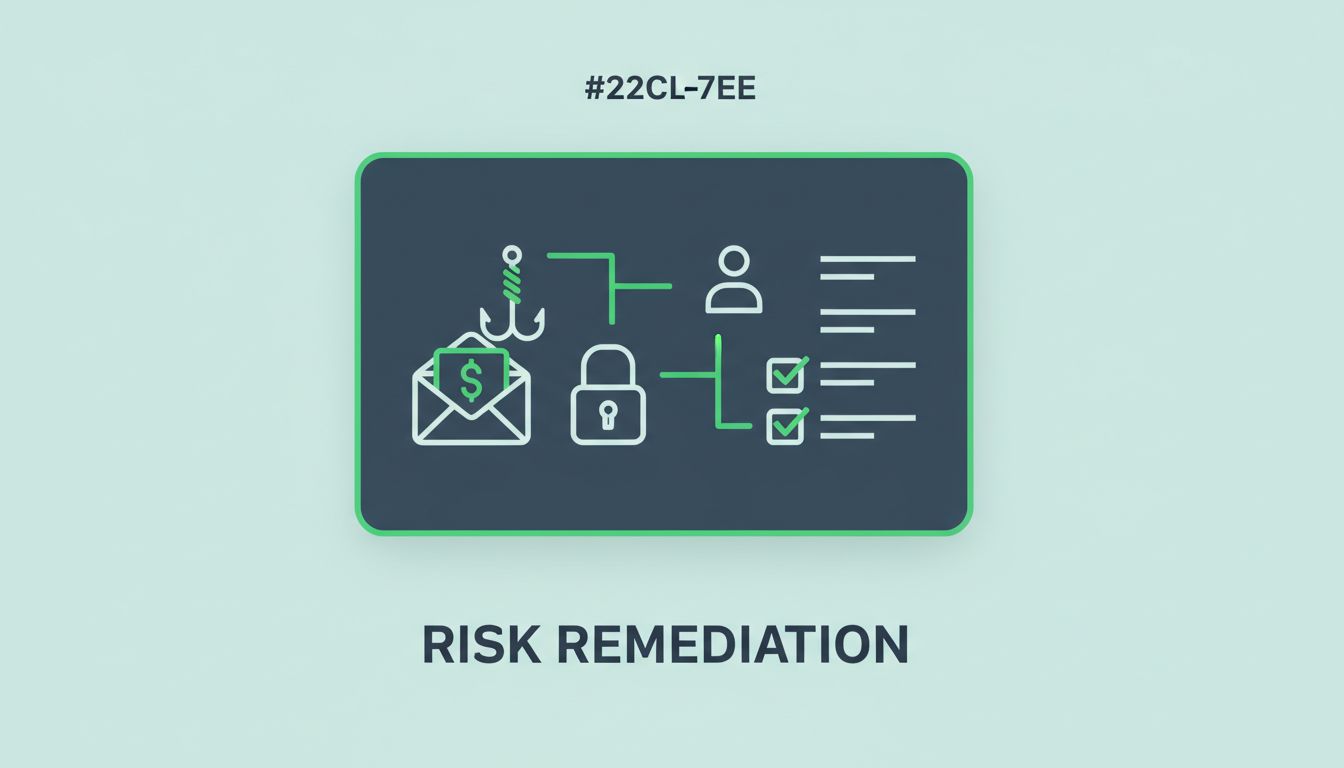
Security teams collect plenty of human risk data, but many still struggle to turn it into action. Click rates, risky logins, access exceptions, and policy gaps can fill a dashboard and still leave the real problem untouched. Human risk remediation starts when those signals become named work, owned by the right team, with a deadline and a result you can measure. That shift is what turns reporting into reduction.
Collect the right human risk signals
The first mistake is treating every signal the same. A single failed phish test is one data point, but repeated clicks from a user with finance access tell a different story. So does MFA fatigue, shared credentials, unmanaged devices, and risky use of AI tools around sensitive data.
Collect signals from awareness platforms, IAM logs, endpoint tools, case systems, and manager reviews. Then combine them. If one user has a low training score, unusual sign-in behavior, and a missing device check, you have a stronger case for action than any single metric gives you.
Recent 2026 guidance from Living Security’s human risk best practices and Mimecast’s State of Human Risk 2026 points in the same direction. The best programs connect behavior, identity, and threat context instead of using click rates alone.
That matters because the source of the risk shapes the fix. If the issue is access sprawl, training won’t solve it. If the issue is repeat behavior under pressure, a manager conversation and targeted coaching may work better than a broad campaign. As AI assistants and agents join daily work, the same logic applies. They also need access limits, review points, and owners.
Prioritize by business impact, not alert count
A clean risk score should answer one question, what breaks if this person or process fails? That means a marketing user with one bad click may rank lower than a payroll analyst who keeps approving unknown login prompts. It also means a contractor with access to source code may need the same workflow as an employee.
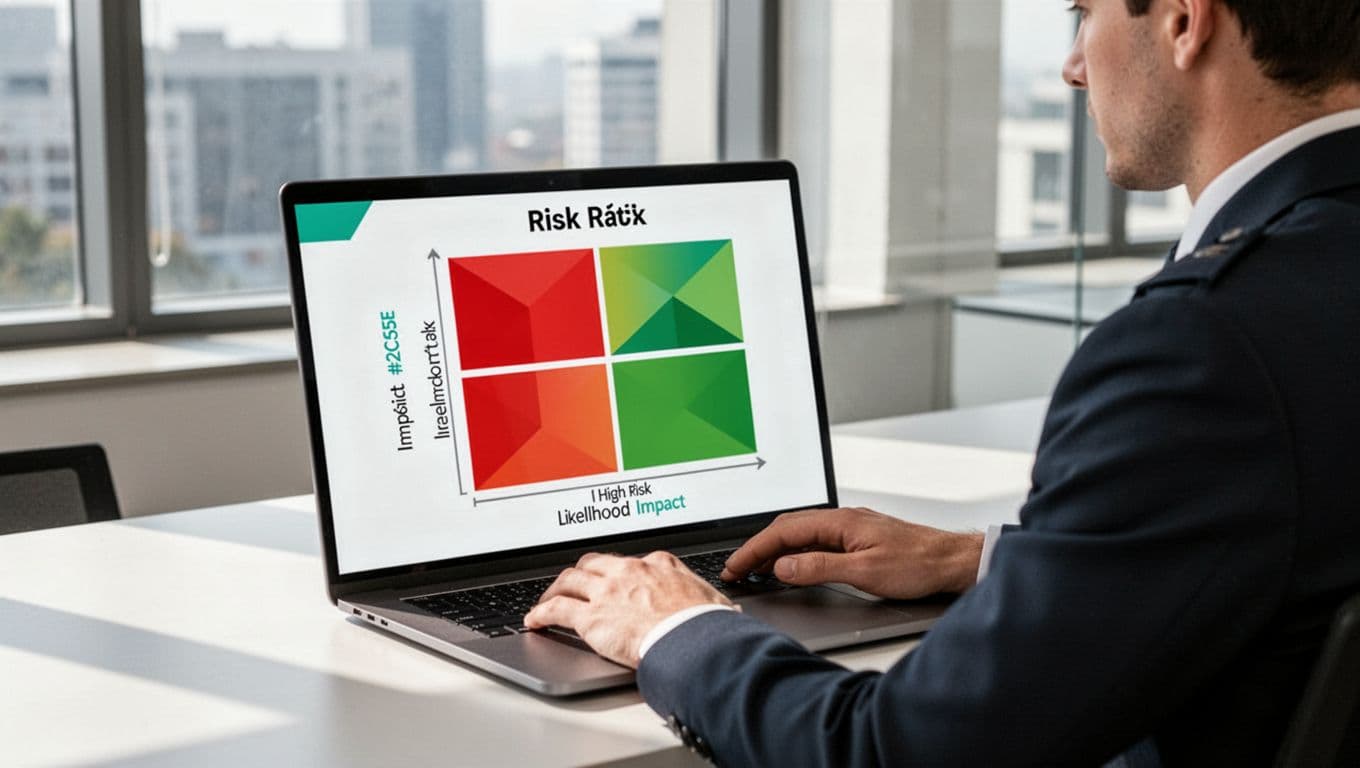
A simple matrix helps teams separate noise from action.
| Human risk signal | Likely business risk | Best remediation | Owner |
|---|---|---|---|
| Repeated phishing clicks in a sensitive team | Account takeover and data exposure | Targeted coaching, MFA review, tighter email controls | Security awareness and IAM |
| Excess access outside job need | Insider risk and privilege creep | Access review, approval removal, manager sign-off | IAM and manager |
| Unmanaged device use | Data loss or token theft | Device enrollment, conditional access enforcement | IT ops |
| Sensitive AI tool use without guardrails | Data leakage or policy breach | Approved tool list, DLP rules, role-based guidance | Security and business owner |
The table makes one thing clear. Prioritize by exposure and impact, not by raw volume. A low-volume issue in a high-value process deserves faster work than a noisy habit with little business reach.
You can score this with a simple formula, behavior frequency plus exposure plus business sensitivity. It does not need to be perfect. It does need to be repeatable across teams. If security, HR, and IT all score the same event differently, no one will trust the result.
Build remediation workflows that end in completed work
Once a risk crosses your threshold, it needs a standard path. Without that, teams end up with alerts, side chats, and half-finished follow-up. Pull the signal from your awareness platform, IAM logs, HR context, and case system, then route it the same way every time.
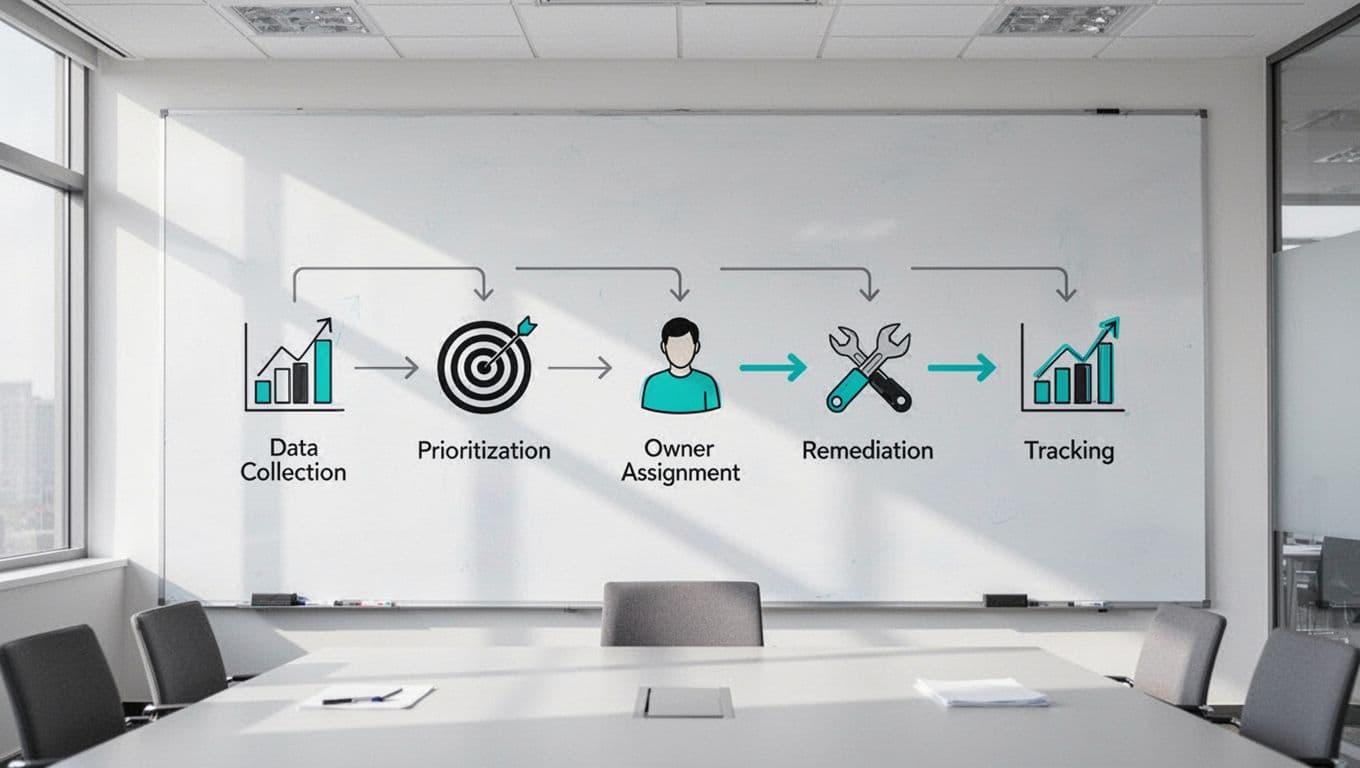
Use the same sequence every time:
- Convert the signal into a work item. Put it into your ticketing or case system, not a spreadsheet no one opens. Include the trigger, the user, the risk score, and the evidence.
- Assign one owner. Give the ticket a named person, plus a business partner when behavior change is needed. The owner should know whether they can fix, escalate, or approve.
- Set the fix and the SLA. State the action, the due date, and what proof counts as done. High-risk identity issues may need same-day response, while coaching can take longer.
- Match the response to the risk. A high-risk access issue needs fast control changes. A repeat training issue may need coaching and manager review. AI-tool misuse may require policy changes and tighter data controls.
- Re-check after closure. Look for repeat behavior, not just ticket closure. If the risk score drops for 30 days, keep the control. If it returns, escalate.
A risk score only matters when it becomes a task with a name, date, and proof.
This is where human risk remediation starts to pay off. The workflow turns a weak signal into a control action. It also gives leadership a clear view of who owns the risk and how fast it is moving.
Avoid the traps that create alert fatigue

Over-alerting is the fastest way to lose support. If every click, policy slip, and low-value exception becomes a separate case, the team will drown. Use thresholds and grouping. Low-risk trends can go into a weekly digest, while only high-impact items become tickets.
Poor ownership is the next problem. A remediation ticket without a named owner becomes a parking lot. So does a ticket owned by “security” when the real fix sits with IAM, IT, HR, or a line manager.
The third trap is weak metrics. Closure counts look fine, but they hide the real question. Did the risky behavior stop? Did access shrink? Did the business process improve?
Track measures that show movement:
- Time to assign and time to close
- Repeat-risk rate for the same user or team
- Number of high-risk users with completed fixes
- Reduction in risky access, unmanaged devices, or policy exceptions
If you want help turning those measurements into a working operating model, Book a Discovery Call with Bud Consulting.
Make the work visible
Human risk data becomes useful when it points to a named fix. That means every major signal should lead to an owner, an SLA, and a business result you can track.
The teams that do this well treat human risk remediation like any other security workflow. They don’t stop at awareness scores or dashboards. They push the work into the system, close the loop, and measure whether the risk actually dropped.