table of contents
Automated scanners are useful, but they only catch part of the risk in financial app security. They find known technical flaws fast, yet they often miss the abuse paths that turn valid screens into fraud.
That gap matters in payments, withdrawals, KYC, loan flows, rewards, and reversals. If your app’s rules are wrong, the code can look clean and still move money in the wrong direction.
Scanners catch patterns, not business intent
Most security tools look for signals they already understand. They spot injection, weak headers, exposed secrets, and known CVEs. That makes them valuable in any AppSec program.
Where they struggle is intent. A scanner can tell you a parameter is accepted. It cannot tell you whether the value makes sense for the current user, account state, or approval path.
That is why business logic flaws survive automated checks. The app may return the right status code and still violate the business rule that protects funds. For a clear definition of these flaws, Cytix has a useful guide to business logic flaws.
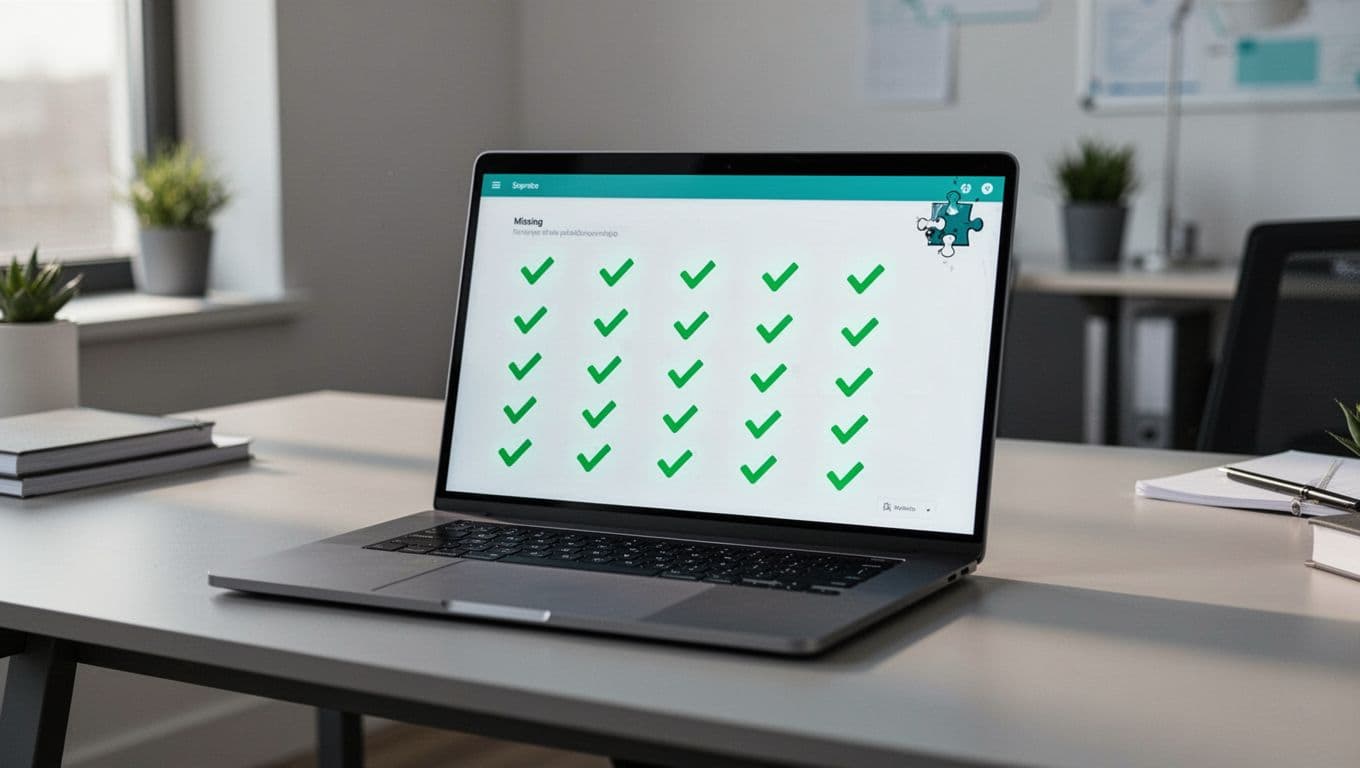
A scan report can look clean while the workflow still leaks value. That is the first trap.
Financial workflows fail in the gaps between steps
Broken logic shows up where state changes matter. One request is harmless. Two requests, in the wrong order, can create a loss.
Common examples include:
- Payments can be captured twice when idempotency is weak.
- Withdrawals can be replayed across sessions or roles.
- KYC can be bypassed when account status is not tied to the right state.
- Loan approvals can move forward with stale income data or changed reviewer context.
- Rewards can be earned twice when balance updates race.
- Transaction reversals can be abused after settlement if refund rules stay open too long.
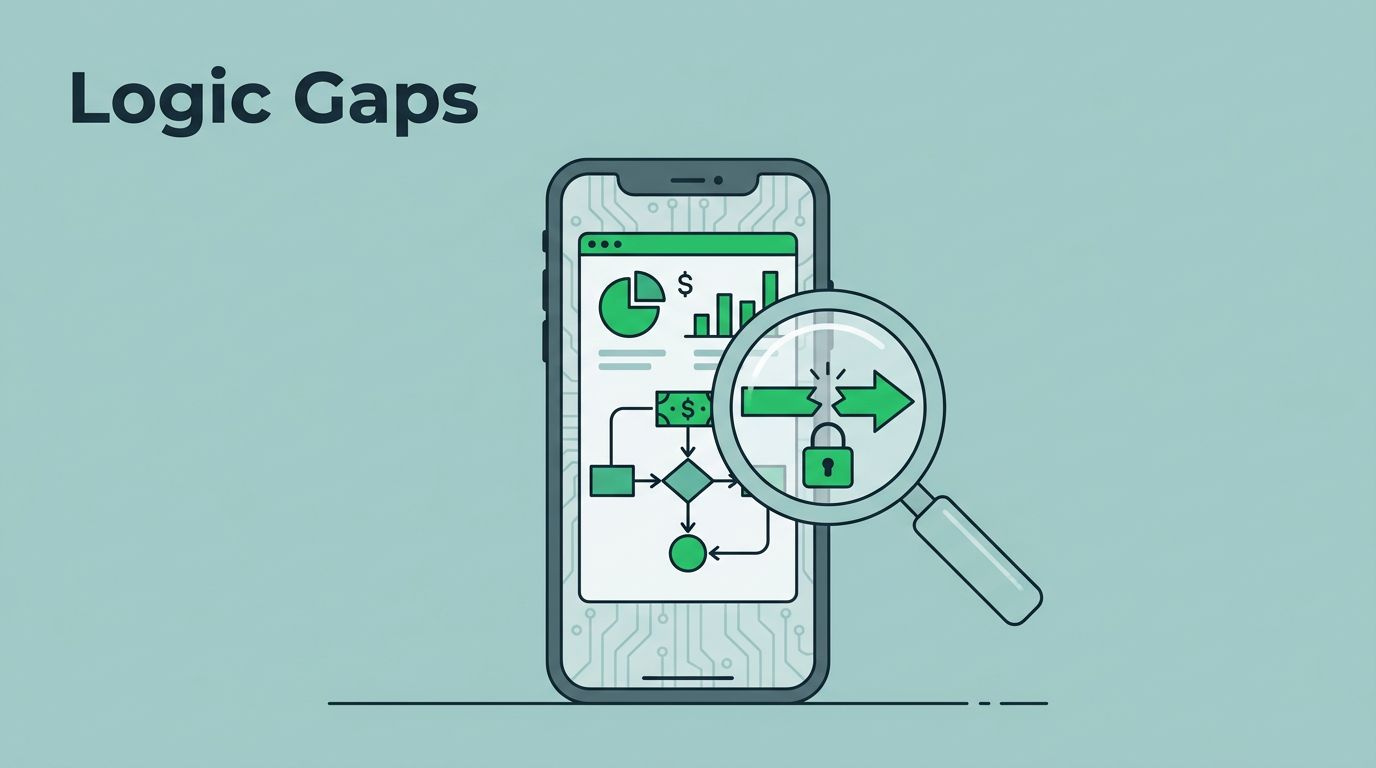
These are workflow problems, not classic code bugs. A scanner can hit one endpoint and pass. It will not always model the full chain of events that turns a valid action into an invalid outcome.
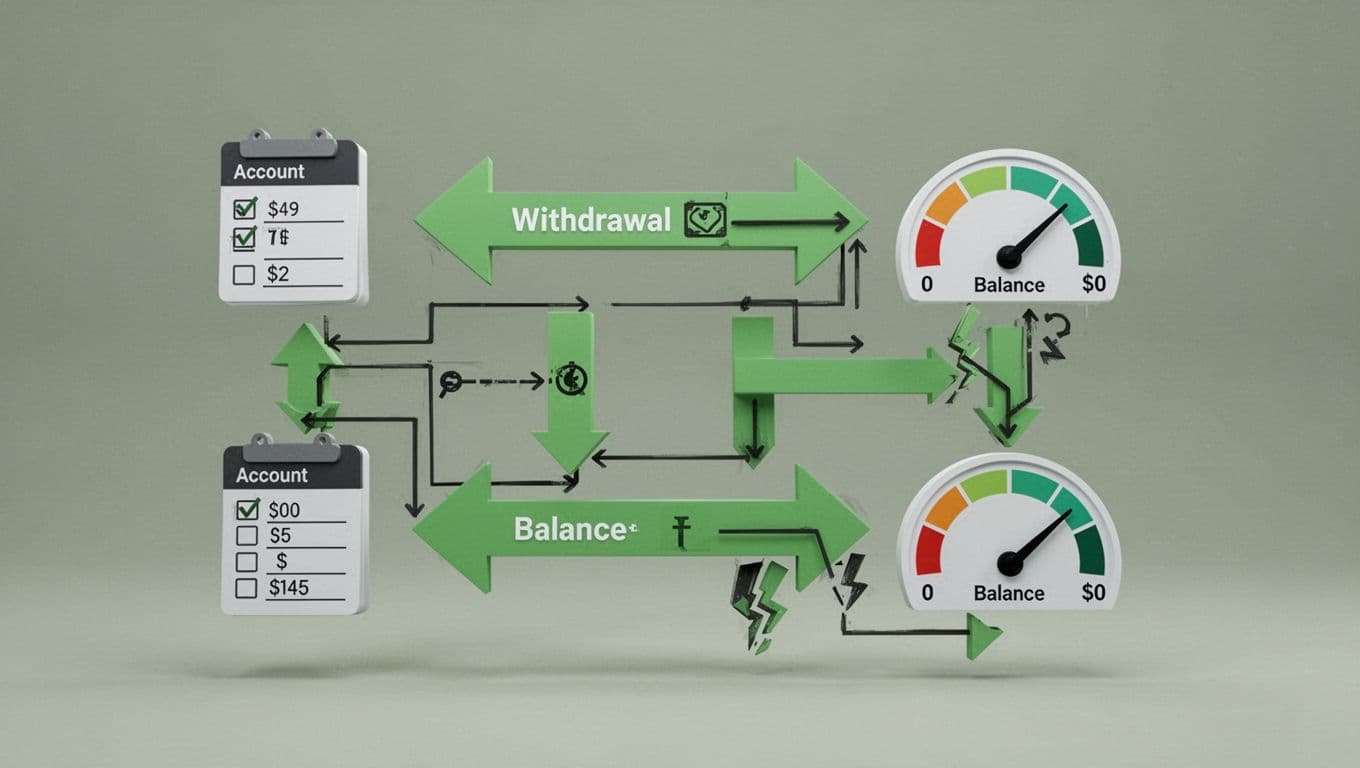
The hard part is not finding an API. The hard part is proving the API still behaves under pressure, repetition, and role changes.
Why automation misses the real risk
Automated tools usually test one request at a time. Broken logic often needs context across several requests. It may depend on timing, sequence, account role, or whether a previous step succeeded.
That is why race conditions, replay abuse, and state confusion slip through. A withdrawal request may be valid in isolation. The danger appears when two requests land close together, or when the app fails to lock the balance.
A scan can prove code accepts input. It cannot prove the workflow protects money.
OWASP’s business logic testing guide covers the kinds of checks that matter here, such as forged requests and integrity checks. PortSwigger’s business logic vulnerabilities labs also show how real issues come from assumptions, not syntax mistakes.
Those resources point to the same lesson. The bug is often in the rule, not the request.
How to find broken logic before attackers do
A stronger approach mixes automation with human review. Use scanners to clear the known technical noise, then add tests that reflect how your product makes and moves money.
Start with the invariants. What must always be true for a payment, refund, withdrawal, or loan decision? Then write test cases around those rules. If the rule says a KYC state must be approved before funds move, test every path that tries to skip or reuse that state.
A practical workflow looks like this:
- Map the money flow, step by step, including retries, reversals, and async jobs.
- Test each state change with good and bad timing, including duplicate requests.
- Repeat flows across roles, devices, and accounts with different privilege levels.
- Review the code for trust boundaries, idempotency keys, and state checks.
- Add abuse cases for fraud, not only for defects.
Manual testing matters because it can ask a better question. It can ask, “What if the user repeats this step?” or “What if the approval arrives late?” or “What if the same reward can be claimed twice?” Those are the questions scanners miss.
For teams building this kind of coverage, Book a Discovery Call with Bud Consulting can help you align AppSec work with the realities of fintech workflows.

What better testing looks like in practice
The best programs treat scanners as one input, not the answer. They pair them with code review, threat modeling, and adversarial test design. They also involve product and backend teams, because they know the real business rules.
That matters most in financial apps. A workflow can pass every technical check and still let a user withdraw early, duplicate a reward, or reverse a transaction twice. The control failed because the system trusted the path, not the outcome.
The real goal is simple. Find the cases where the app behaves as designed, but the design itself is weak. That is where broken logic hides, and that is where automated scans run out of road.