table of contents
A single stale library can ripple through vendors, partners, and internal teams in hours. If you ship software or buy it, a software bill of materials is no longer paperwork. It’s a map that shows what sits inside each release.
It helps security teams answer a simple question fast, which products contain this component, and what version is it? That matters because attacks move quickly, and procurement teams now ask harder questions about third-party software. The right SBOM process turns those questions into action.
What a Software Bill of Materials Shows
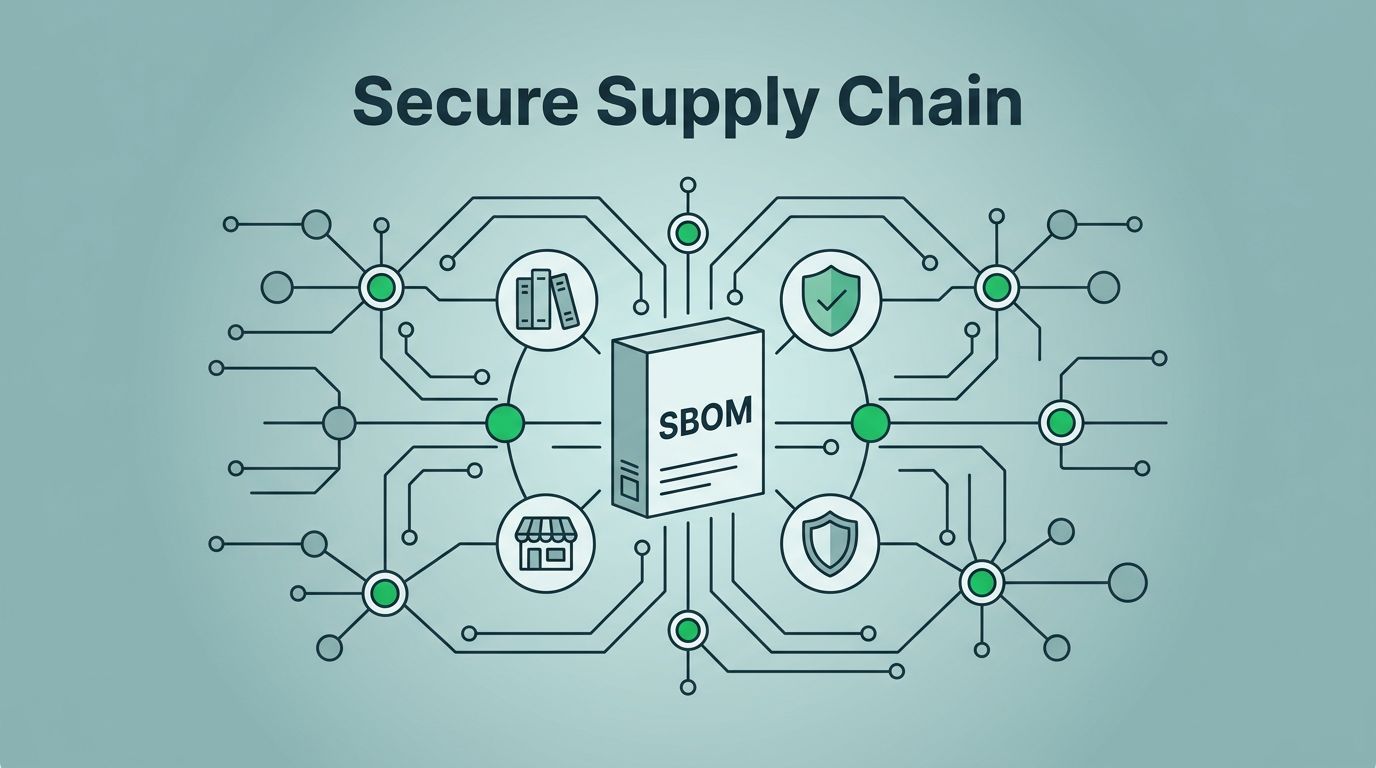
A software bill of materials, or SBOM, is a structured inventory of software parts. CISA describes it as a nested list of ingredients in CISA’s SBOM overview, and NIST ties it to supply chain security in its SBOM guidance.
A useful SBOM includes component names, versions, suppliers, hashes, and dependency links. That detail exposes the libraries beneath the app, and those are often where trouble hides.
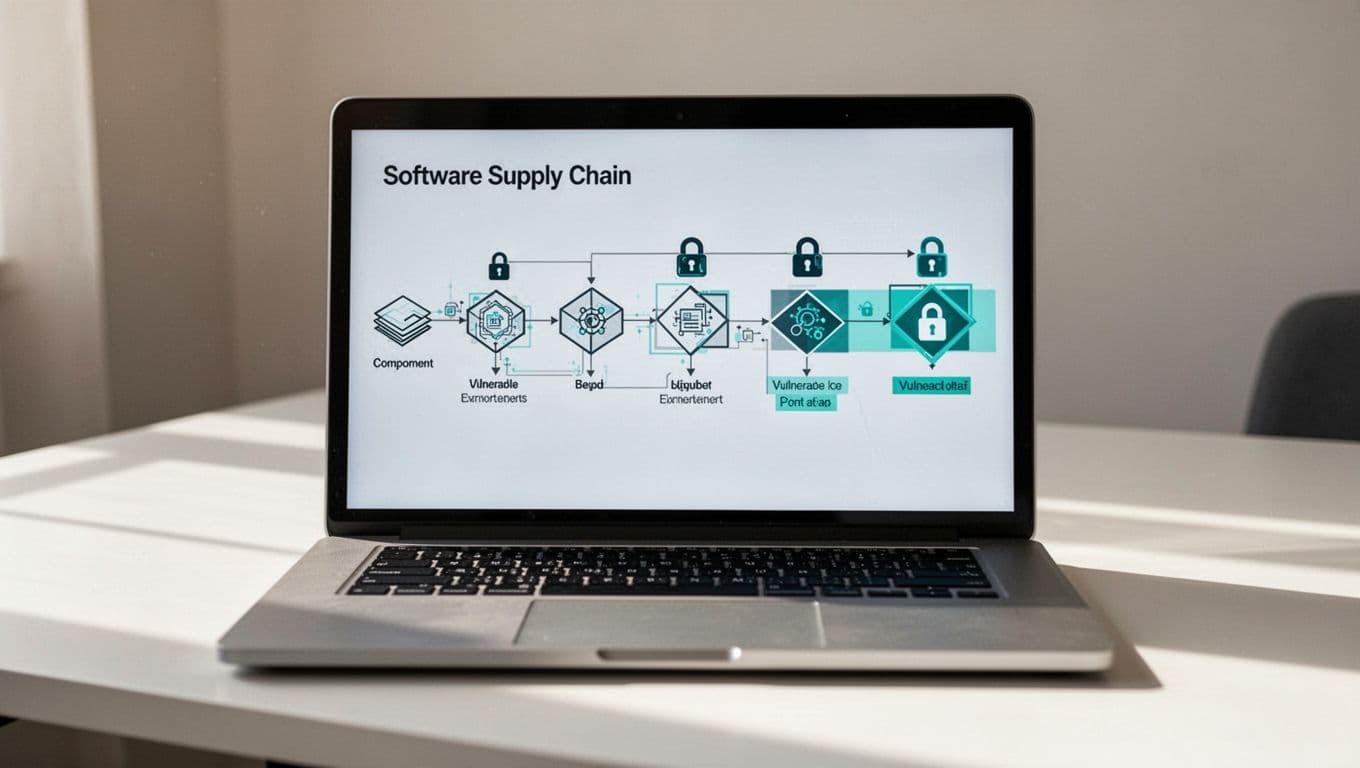
A payment app may look clean while a shared parser library carries a known flaw. Without an SBOM, you search by hand. With one, you can query releases and see which products inherit the risk. That is what gives security and engineering teams better third-party software visibility.
The fastest SBOM is the one tied to release artifacts and an owner who can act on it.
Why SBOMs Shrink Exposure Windows
When a new vulnerability drops, time matters. Teams that already store SBOMs can search by component and version instead of scanning repos one by one. That saves hours during a live incident.
CISA’s SBOM consumption practices recommend using SBOMs with your normal vulnerability and patch workflows. That’s the right model. SBOMs do not replace scanners or endpoint tools. They make those tools sharper.
A recent 2026 example shows the value. During the Axios supply chain incident, one company with CycloneDX SBOMs stored alongside releases checked exposure in about 10 minutes. That cut investigation from days and helped the team notify users much faster.
SBOMs also help you sort signal from noise. If a library sits in a test build only, you can treat it differently from a component in a customer-facing service. That kind of scope control reduces panic and speeds up patching.
Why 2026 Made SBOM Programs More Practical
The policy side has shifted too. In early 2026, U.S. federal guidance moved toward a risk-based model. Agencies can ask for SBOMs when the software risk calls for it, instead of following one rigid rule.
That matters for vendors. Buyers still want visibility, but they care more about the software that could hurt them. If you sell cloud services, expect requests that cover the live production environment, not only test builds.
Standards have also matured. Start with the NTIA minimum elements, then add fields your customers need. CISA’s 2025 minimum SBOM elements reflect that shift toward richer, more useful records. For teams selling into regulated markets, that can support compliance reviews as well as security reviews.
A Practical Checklist for Rolling Out SBOMs
A good SBOM program starts small and grows with your release process. Use this order.
- Pick the systems that matter most. Start with customer-facing apps, high-risk vendors, and software that touches regulated data.
- Standardize the format. CycloneDX and SPDX are both common, and either is better than a pile of PDFs.
- Generate SBOMs in CI/CD and at release time. Automate the step so engineers don’t treat it as extra paperwork.
- Store SBOMs with the build artifact. Keep versions, timestamps, and ownership together so responders can find them fast.
- Connect SBOM data to vulnerability feeds. Then map findings to business context, such as internet exposure or customer impact.
- Set triage rules before the next alert. Decide who reviews, who patches, and when a supplier must answer.
- Put SBOM requirements into procurement. Ask vendors how they create SBOMs, how often they refresh them, and how they handle component drift.
Most teams get better results when security, engineering, and procurement share one owner for exceptions. That keeps alerts from bouncing between groups.

If your team needs help building that process across engineering, security, and vendor management, Book a Discovery Call with Bud Consulting.
When software moves fast, visibility beats guesswork. SBOMs give you that visibility by naming the parts inside each release and linking them to action.
The best programs treat SBOMs as living records. They update them with each build, connect them to patching, and fold them into vendor reviews. That is how a document becomes part of supply chain defense.