table of contents
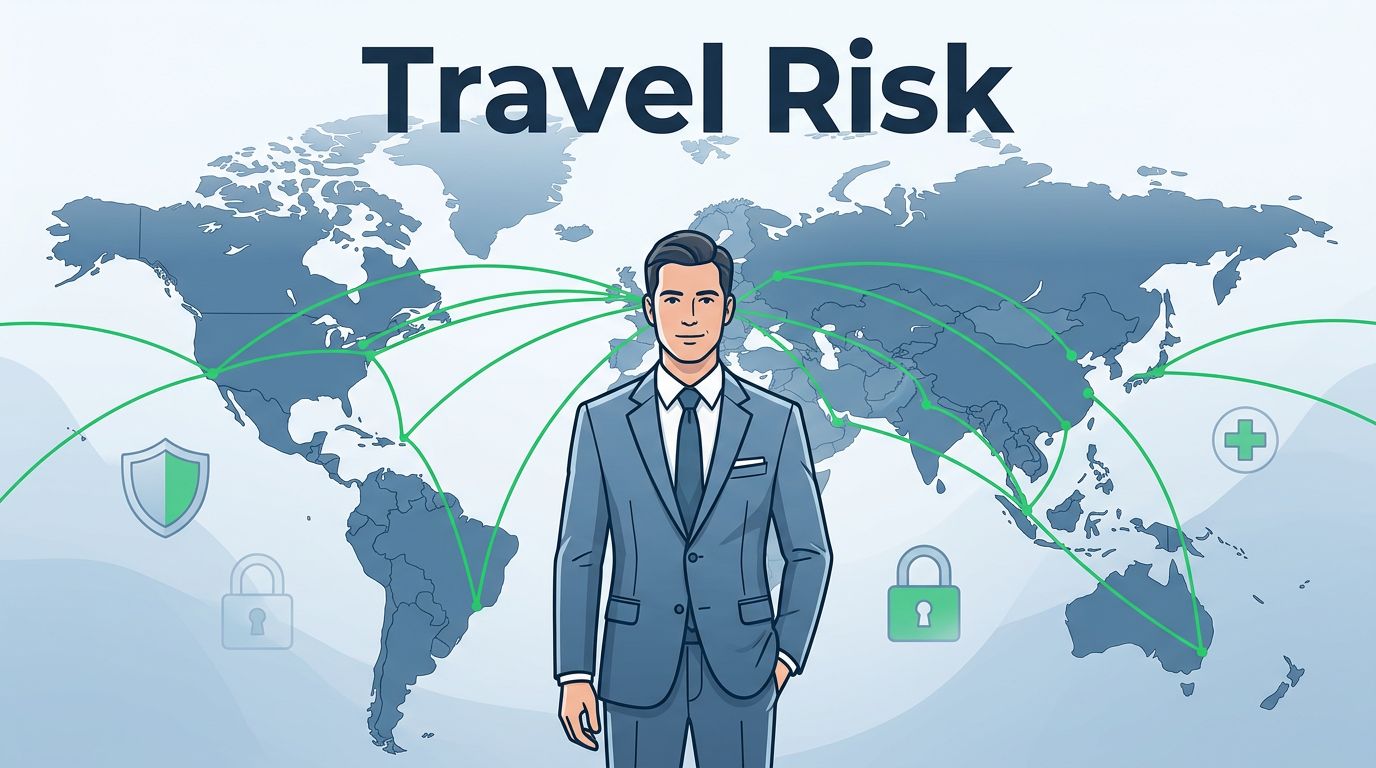
Most executive travel security policies fail for one simple reason, they were built for routine trips, not for travel where borders, protests, medical access, and cyber risks can shift in hours. That gap matters more in 2026, because international travel now carries more moving parts than many policies can handle.
Executives still need to move. Deals still need meetings. But a policy that works for domestic flights and standard hotels can break fast overseas, where timing and assumptions matter as much as bookings.
The failure usually starts before the plane leaves.
Why Standard Travel Rules Miss Executive Risk
Most corporate travel policies focus on booking rules, expense control, and basic duty of care. Those are useful, but they are not enough for a senior leader in a volatile market.
A good executive travel security policy has to do more than track a trip. It has to shape decisions before, during, and after the journey.
A policy can look complete on paper and still fail at the gate.
The difference becomes clear when you compare standard travel admin with executive protection.
| Policy area | Generic corporate travel policy | Executive travel security policy |
|---|---|---|
| Trip approval | Confirms dates and booking class | Reviews country risk, meeting purpose, and exposure |
| Transportation | Books standard flights and cars | Adds route control, driver vetting, and backup options |
| Communications | Shares hotel and contact details | Sets check-in cadence, emergency channels, and device rules |
| Incident response | Tells traveler to call a help desk | Defines extraction steps, local support, and escalation authority |
The lesson is simple. Booking rules manage logistics. They do not manage risk.
International Trips Move Faster Than Approval Chains
International travel changes while people are still on the move. Flights shift. Hotels change. A meeting adds a new stop. A visa issue appears late. Then a local event changes the whole plan.
That is where many policies fall apart. They rely on slow approvals and static documents. By the time a manager signs off, the risk picture has already changed.
Recent outlooks such as Executive Travel Risk in 2026 point to the same pattern. Exposure rises fastest when teams lose time.
A strong policy needs decision rights, not just forms. Someone should know who can reroute the traveler, who approves a change, and what happens if the main plan fails. Without that clarity, the traveler ends up making risk calls alone.
Geopolitical Shifts and Transport Gaps Create the First Failure
Geopolitical instability is no longer a background issue. It now affects where executives can fly, which roads stay open, and how safe a normal arrival feels.

That reality shows up in trip planning more often than many teams expect. A route can become unsafe after a protest starts. Airspace can tighten. Ground transport can stall. In some regions, even a short ride can become the highest-risk part of the day.
Coverage of Iran evacuation failures shows how fast support can lag when staffing, trust, and timing break down. That lesson matters for companies too. If a policy depends on slow escalation, it will miss the moment that counts.
Transportation is part of the same problem. Standard commercial bookings are fine until they are not. For some trips, private aviation, secure ground transport, or alternate routes become part of the plan.

Photo by RDNE Stock project
Cyber, Privacy, and Medical Gaps Travel With the Executive
Physical safety gets most of the attention, yet cyber and privacy risks follow the traveler everywhere. Airport Wi-Fi, hotel networks, shared rides, and synced calendars can expose names, routes, meeting times, and contacts.
That matters because executives are high-value targets. Their phones hold more than email. They hold location data, files, and access paths that matter to an attacker. In tense regions, teams also need to watch for device tracking, account takeovers, and GPS spoofing.

Medical risk is often missed for the same reason. A policy may name a clinic or insurance provider, but that does not mean the traveler can get good care fast. Some destinations have weak emergency response, limited specialists, or poor access to medication. If the nearest quality hospital is hours away, the policy has already failed its first test.
The real issue is that these risks stack up. A delayed flight leads to a late arrival. A late arrival leads to a bad neighborhood transfer. A bad transfer leads to a tired traveler using public Wi-Fi and skipping checks. One weak link creates the next.
What a Policy Needs to Work Overseas
Strong policies do not depend on hope. They depend on clear triggers, clear owners, and live information. A practical model is an intelligence-led framework, because it ties trip planning to current risk, not a static checklist.
A policy that holds up overseas usually includes:
- A pre-trip risk review with go, no-go, and delay triggers.
- Named decision makers for reroutes, security changes, and medical response.
- Device and privacy rules for public networks, local SIMs, and shared transport.
- Backup transport and lodging options when the primary plan fails.
- A post-trip review that captures what changed and what needs fixing.
That work should bring security, travel, HR, operations, and executive support into one process. If those teams work in silos, the policy will stay fragmented.
If your team needs a sharper policy review that connects travel risk, cyber controls, and executive support, Book a Discovery Call with Bud Consulting.
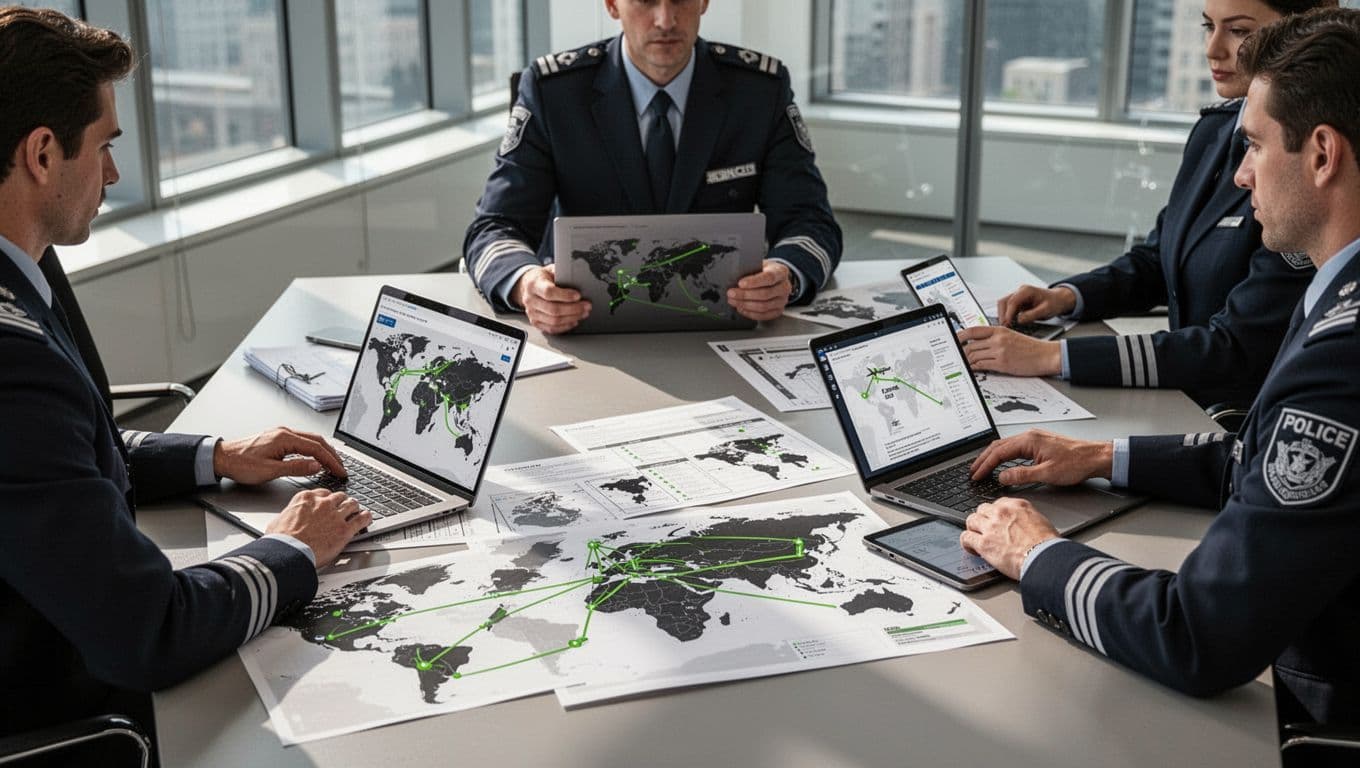
The policy has to move as fast as the trip
Most executive travel security policies fail because they stop at booking and start too late. They are written for stable conditions, but international trips rarely stay stable for long.
The fix is not more paperwork. It is faster intelligence, clearer authority, and support that follows the traveler instead of the calendar. When the risk changes by the hour, the policy has to do the same.