table of contents
Lean security teams do not need another person who can run a scan and send a report. They need someone who can cut through noise, push fixes forward, and keep the business moving.
That makes hiring a vulnerability management lead harder than it looks. The role sits between security, IT, engineering, and leadership, so the wrong hire can slow everyone down. The right one turns a messy backlog into a clear process.
Start with ownership, not the title
Before you write the job post, define what the person owns. A small team often needs one lead who can handle intake, triage, prioritization, reporting, and follow-up. That sounds broad because it is broad.
Use scope to shape the role. If you want a coordinator, say so. If you want a builder who can set up workflow, metrics, and remediation habits, say that too. For a useful reference point, GitLab’s Threat & Vulnerability Management Roles shows how a team can split work across scanning, triage, and communication without making the function bloated.
A good hire clarifies ownership fast. A weak hire adds another queue.
Lean teams also need clear boundaries. Who owns scanners? Who owns exceptions? Who closes tickets? If those answers are fuzzy, the lead will spend half the week chasing people instead of reducing risk.
Look for the skills that matter on a small team
A strong candidate needs more than tool familiarity. They need judgment, persistence, and the ability to explain risk in plain language.

Look for people who can do all of this:
- Rank findings by business impact, not just severity scores.
- Work with engineers without sounding like a ticket machine.
- Spot false positives and noisy scans quickly.
- Turn remediation into a repeatable routine.
- Report progress to leaders in simple terms.
The balance matters. Too much technical depth without stakeholder skill often creates a lone operator. Too much process skill without depth creates polished reports and little change. SentinelOne’s vulnerability management roles and responsibilities is a good reminder that the role mixes technical work with coordination.
For startups, prioritize people who can work with incomplete data. They should know how to make good decisions when the perfect dashboard does not exist yet.
Use a scorecard that separates operators from coordinators
A scorecard keeps the hiring process honest. It also helps small teams avoid hiring the loudest candidate in the room.
Use a simple rubric with the traits that matter most for your environment. Here’s a practical example.
| Criterion | What good looks like | Why it matters |
|---|---|---|
| Prioritization | Can rank risk by exposure, asset value, and business context | Keeps the team focused on real risk |
| Remediation follow-through | Can move fixes forward across teams | Turns findings into action |
| Technical depth | Understands scanning, patching, and validation | Prevents shallow decisions |
| Stakeholder skill | Communicates clearly with IT and engineering | Reduces friction and delays |
| Reporting | Produces short, useful status updates | Helps leadership see progress |
Use the scorecard during every interview round. If a candidate scores well on technical depth but poorly on communication, that is a warning. Lean teams need a lead who can hold the whole process together, not just one part of it.
Make the interview reflect the real job
A clean interview process is more useful than a long one. You want to see how the candidate thinks when things are messy.

A practical process could look like this:
- Ask for a 30-day plan. See how they would assess backlog, tooling, and ownership.
- Review a sample dashboard. Watch for whether they focus on signal or noise.
- Run a stakeholder scenario. Give them a blocked patch or unowned server.
- Test their reporting style. Ask them to explain risk to a founder or IT director.
If you want more question ideas, compare your plan with vulnerability management interview questions. The best answers usually sound specific, not polished. They mention tradeoffs, exceptions, and what they would do first.
You can also ask for a short case study. For example, give them a high-severity issue on an internet-facing asset with no clear owner. A strong candidate will ask smart questions before offering a fix.
Source candidates where small teams actually hire
Lean teams should not cast a giant net. They should look for people who have already worked close to the problem.
Good backgrounds include security operations, cloud security, DevSecOps, infrastructure, and application security. People from those paths often know how remediation really works. They also understand that a finding is only the start of the job.
If your team is small, hire for range, not depth in one tool. The candidate should be able to operate in an environment with limited process and still create structure. Vulnerability management for small businesses is a useful lens here, because it focuses on practical controls instead of big-team theory.
When you need help tightening the role or finding a shortlist that fits your stage, Book a Discovery Call with Bud Consulting.
Avoid the mis-hires that waste time
The most common mistake is hiring a tool operator and calling it leadership. That person may know the platform well, but still fail when the job needs persuasion and follow-through.
Watch for these warning signs:
- They talk about scans, but not remediation.
- They focus on reporting, but not ownership.
- They want to own every decision themselves.
- They have trouble explaining risk to non-security teams.
A second mistake is hiring someone who wants a mature program before they can do useful work. Lean teams need builders who can create a workable process now and improve it over time. They do not need a perfectionist waiting for ideal conditions.
Hire for momentum, not polish
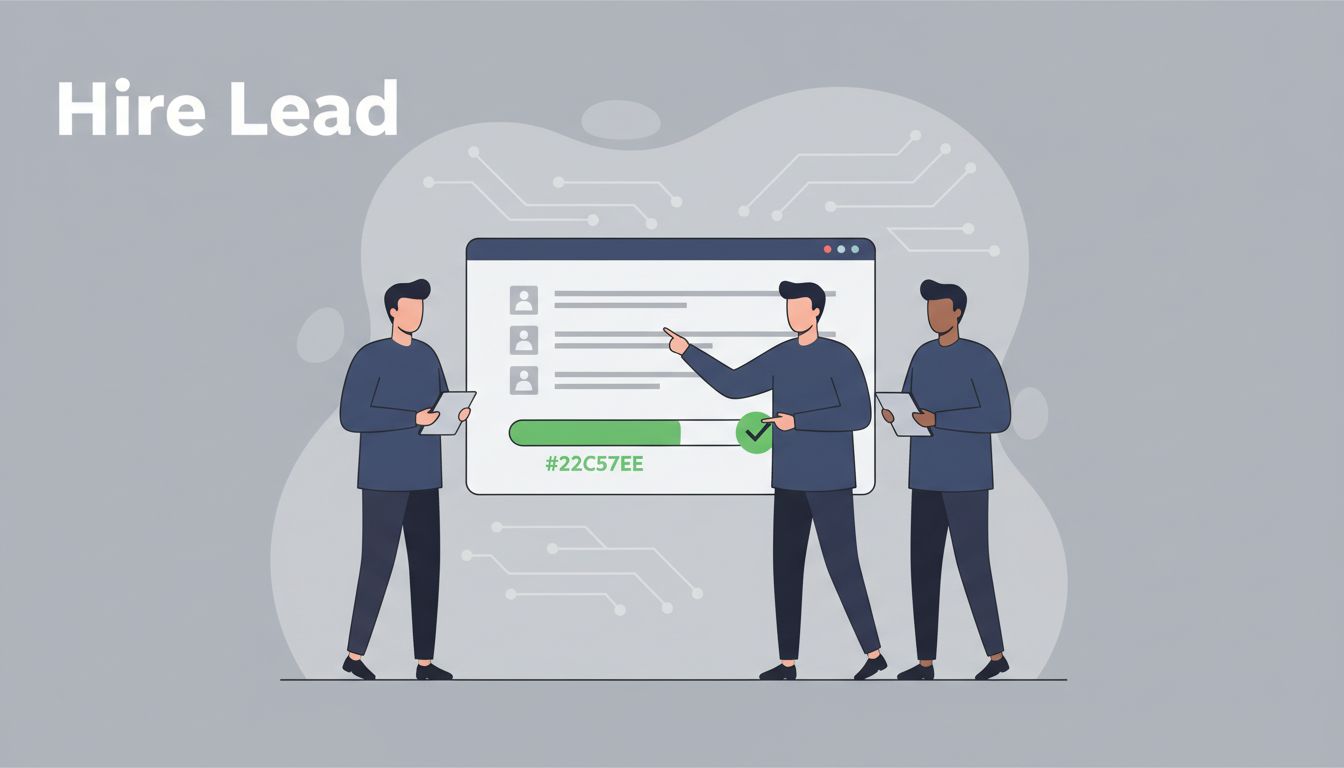
A lean team needs a vulnerability management lead who can make decisions, drive fixes, and keep people aligned. The best candidates make risk easier to understand and easier to act on.
If the role is clear, the scorecard is tight, and the interview tests real-world judgment, you’ll avoid the most common mis-hires. That matters more than finding the fanciest resume.