table of contents
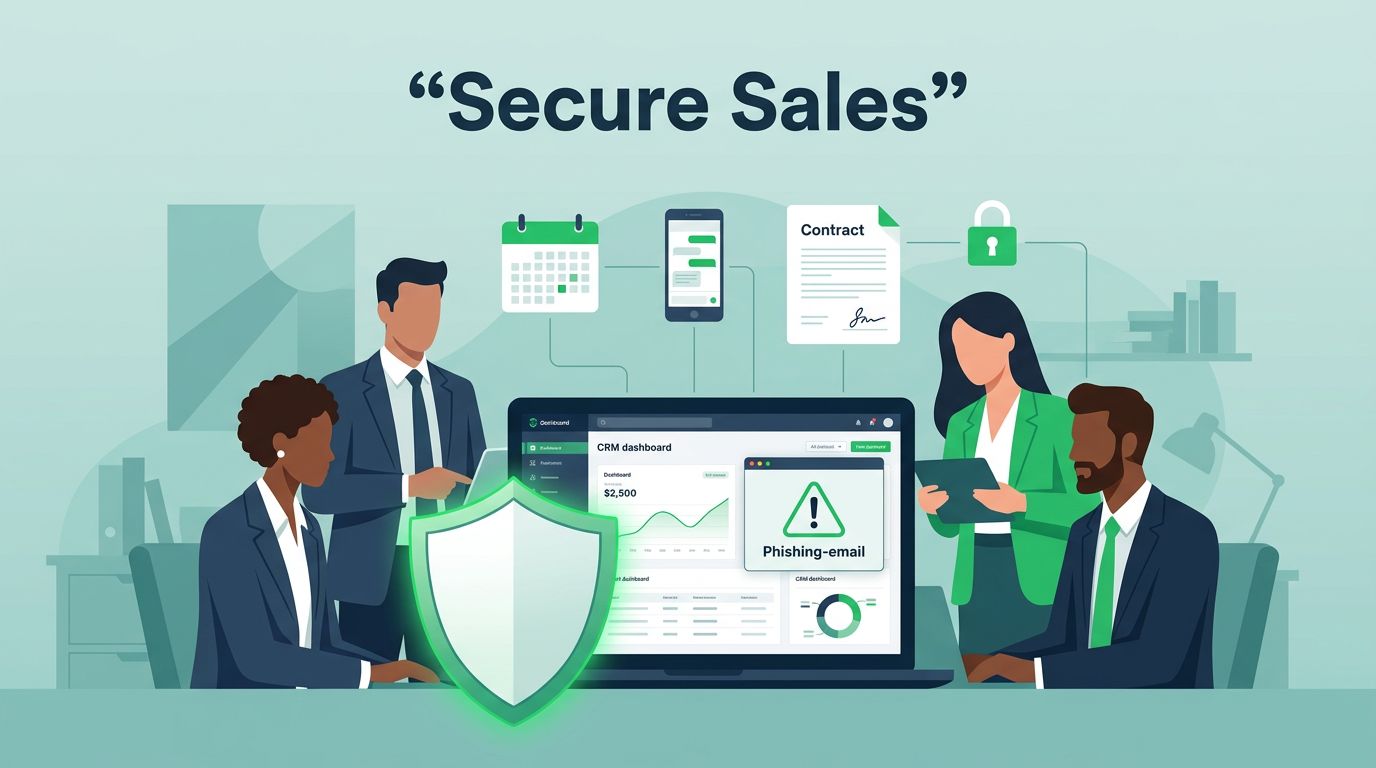
Sales teams move fast, and attackers know it. A strong sales team security training program protects revenue, customer trust, and the deals already in motion.
The challenge is simple. Reps live in inboxes, calendars, shared folders, CRM tools, and mobile devices. That creates plenty of chances for fake meeting requests, contract swaps, pricing-sheet leaks, and executive impersonation.
The fix is a program built around real sales work, not generic awareness slides. Start with the risks your team sees every day, then teach the habits that slow attackers down without slowing reps down.
Assess Your Sales Team’s Unique Risks
Begin with the work your sellers already do. Look at inbound meeting requests, outbound prospecting, shared files, CRM exports, contract workflows, mobile approvals, travel, and customer follow-ups.
Those touchpoints often carry more trust than a normal office message. In 2026, attackers use AI to write cleaner phishing emails and mimic executive voices. A rushed “urgent” request can look normal unless your team knows what to check.
If your reps send cold outreach, read sales outreach email risks. Email setup, sender habits, and domain hygiene all affect how easy it is to spoof your brand.

The best training fits the sales workflow. It does not fight it.
Build the Program in Five Practical Steps
Start with the actual flow of a deal. Map how a lead becomes an opportunity, how files move, who approves discounts, and where outside messages enter the process.
- Map the riskiest moments. Sit with sales managers and top reps. Ask where they feel pressure to move fast, because that is where mistakes happen.
- Set simple rules for verification. Define how to confirm urgent requests, how to approve file sharing, and when a second channel is required. If a “CEO” text asks for a contract change, the rep should call back on a known number.
- Build role-based content. Sales training should cover fake calendar invites, customer impersonation, pricing-sheet exposure, contract redlines, and CRM export handling.
- Keep sessions short and regular. Monthly sessions work better than one yearly class. A recent training employees on cybersecurity in 2026 guide makes the same point, repeated practice changes behavior.
- Put support in the workflow. Add a report button, a quick escalation path, and manager talk tracks. Reps should know what to do in less than a minute.
If you need help shaping the rollout plan, Book a Discovery Call with Bud Consulting.
Choose the Right Delivery Methods
Sales people rarely sit still for long training sessions, so format matters. Short live sessions, scenario drills, and manager-led coaching usually work better than static e-learning.
A rep remembers a fake customer call when they role-play it. They forget a long policy deck. That is why security awareness training that works in 2026 focuses on behavior, repetition, and clear reporting paths.
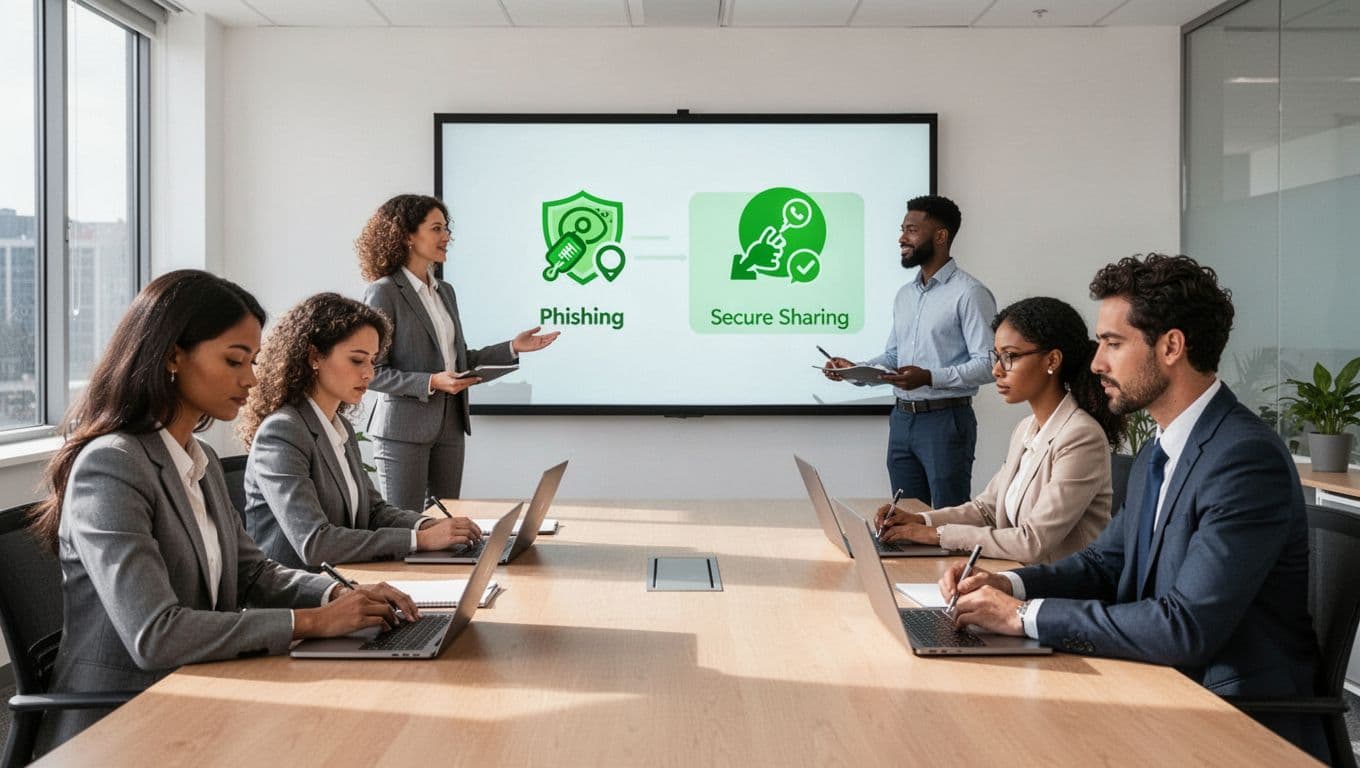
Use a mix of formats. Run 15-minute live refreshers, send short phishing drills, and give managers a few talking points for pipeline meetings. When the lesson matches a real sales moment, adoption rises fast.
Use a Curriculum That Matches the Sales Cycle
A sample curriculum should follow the way your team works through a quarter. Keep each lesson tied to a real task, not a theory lesson.
| Week | Topic | Format | Success Signal |
|---|---|---|---|
| 1 | Fake meeting requests and calendar spoofing | Live demo | Reps spot suspicious invites |
| 2 | Pricing sheets, shared files, and contract swaps | Small-group review | Fewer risky file shares |
| 3 | CRM exports, mobile work, and travel rules | Manager coaching | Faster safe reporting |
| 4 | Executive and customer impersonation | Role-play | Better verification habits |
After the first month, repeat the same themes with new examples. Add one topic each quarter if the threat mix changes, such as vendor fraud or AI voice scams.
Measure Success and Tighten the Gaps
Track behavior, not just course completion. A training program only works when it changes what reps do under pressure.
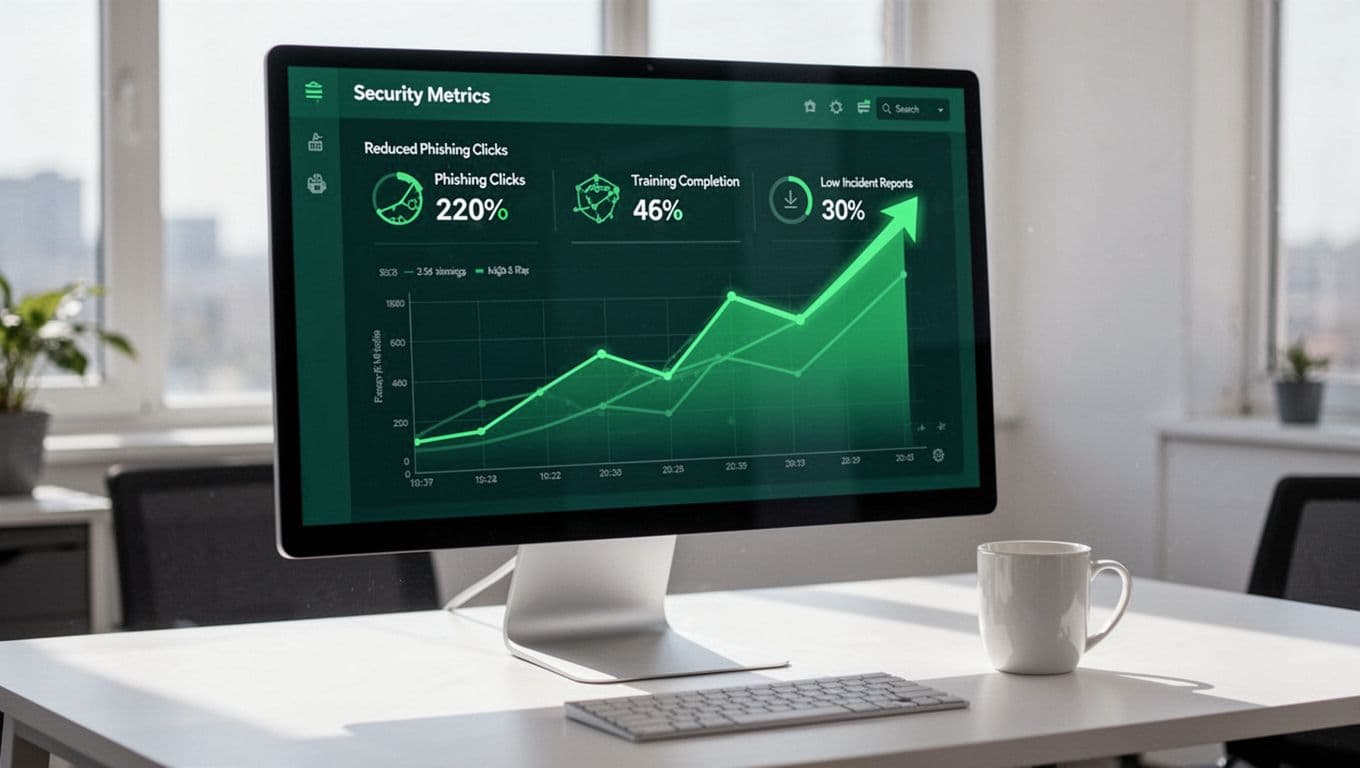
Focus on a few clear metrics:
- Phishing simulation click and report rates
- Time to report suspicious messages
- MFA adoption across laptops and mobile devices
- Number of risky file shares or policy overrides
- Manager participation in coaching and refreshers
Review those numbers every quarter. If reps still click fake meeting links, change the examples. If reporting is slow, make the path easier. If mobile use is the weak point, add travel-specific training and device checks.
The fastest programs improve because they stay close to the work. They do not ask sales to become security experts. They teach reps how to verify, pause, and report without losing momentum.
A sales team that can spot a fake meeting request, protect a pricing sheet, and challenge an urgent impersonation attempt is harder to fool. That is the real value of sales team security training, and it starts with the everyday moments that make or break a deal.