table of contents
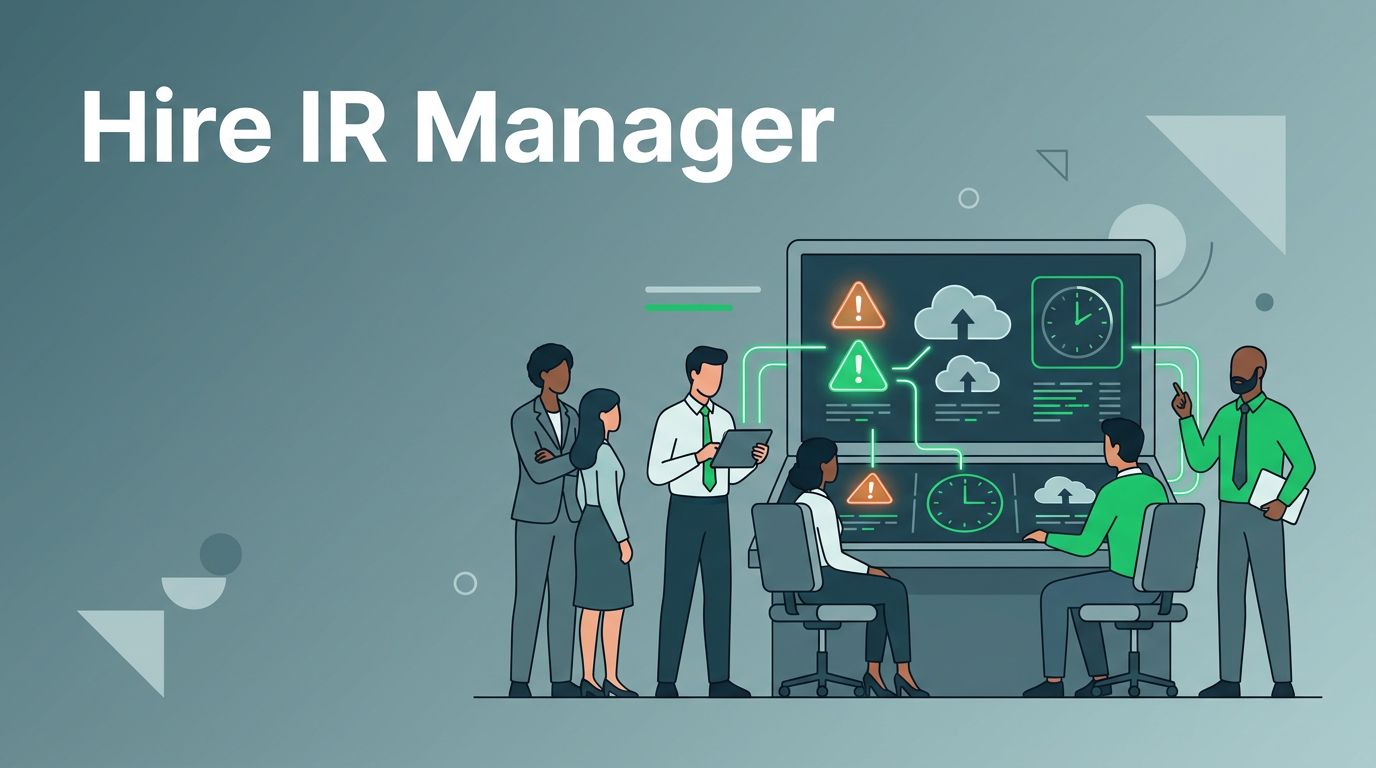
A good incident response manager does more than close tickets after an attack. They keep people aligned when the clock is loud, the facts are messy, and leaders need answers fast.
That matters even more in 2026. Teams now deal with cloud apps, SaaS sprawl, remote staff, and security tools that fire alerts nonstop. If the hire can’t cut through noise and move people, the whole response slows down.
Start with the job the team actually needs
Many job posts ask for broad security experience, then hope the right person appears. That wastes time. Instead, write the role around the work your team needs done during the first hour, the first day, and the first review.
For a solid baseline, it helps to compare your needs with a 2026 incident response planning guide. It shows how structure, playbooks, and reviews fit together.
Your job description should make these points clear:
- Own triage, containment, escalation, and recovery coordination.
- Run incident bridges and keep updates short and useful.
- Work with legal, HR, IT, support, finance, and customer teams.
- Lead post-incident reviews and turn findings into action items.
- Build repeatable response steps, not one-off heroics.
- Know cloud, SaaS, identity, endpoint, SIEM, SOAR, and ticketing tools.
Also define the pace. If you need someone who can handle urgent incidents across time zones, say so. If the team uses PagerDuty, Slack, Teams, or an MDR partner, list that too. The right candidate will scan for fit fast.
What strong candidates bring to the table
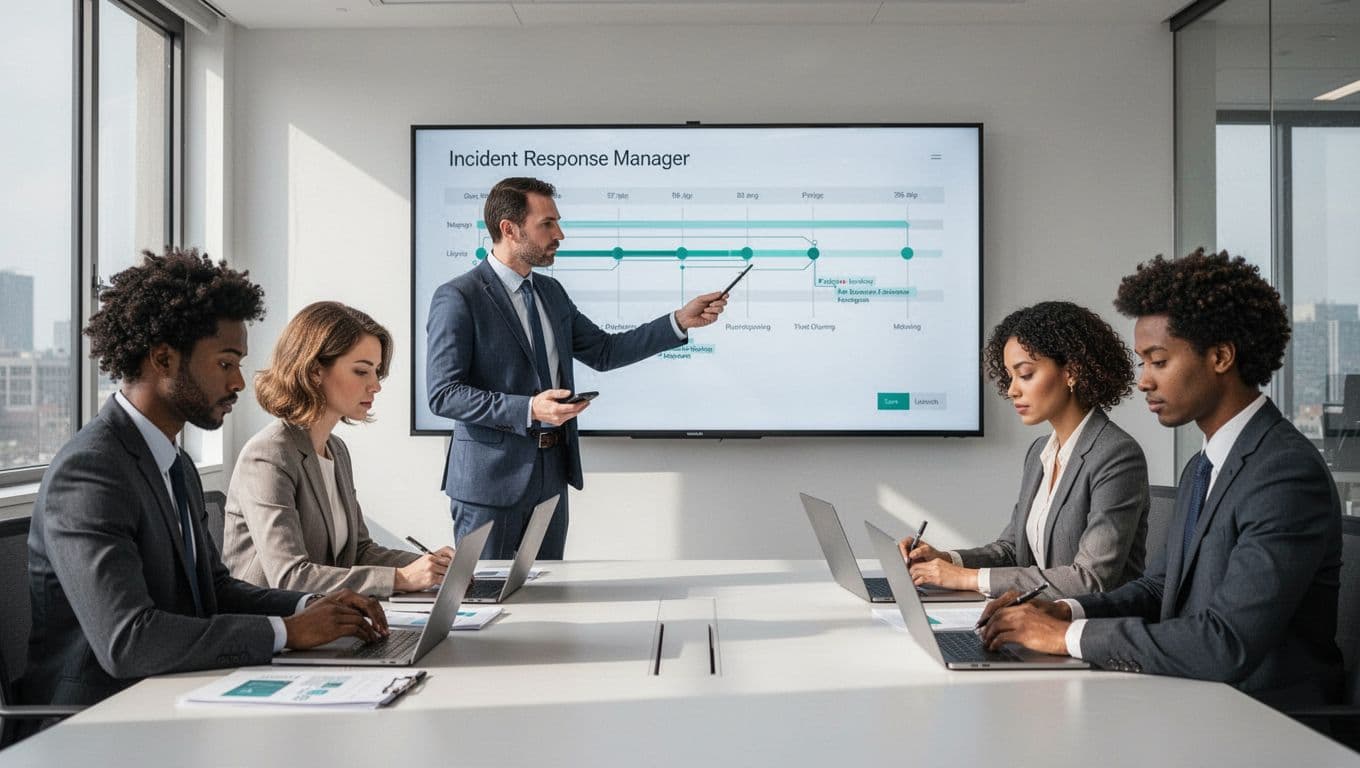
The best hires stay calm without going slow. They make decisions with incomplete facts, then adjust as better data arrives. That skill matters because attacks rarely wait for perfect clarity.
Look for three traits first: speed, communication, and process ownership. Speed means they can separate signal from noise. Communication means they can brief a CTO, a support lead, and an engineer in ways each person understands. Process ownership means they improve the system after the crisis ends.
In incident response, the first useful decision often matters more than the perfect one.
Modern teams should also expect comfort with current tooling. In 2026, that includes AI-assisted triage, automation for containment steps, continuous exposure management, and working alongside MDR providers. If you want a quick read on where the market sits, see what hiring managers want in 2026.
A strong candidate can explain how they keep response work repeatable. They should talk about playbooks, clear ownership, handoffs, and metrics like time to contain and time to recover. They should also know how to keep remote teams moving when everyone is in a different place.
Interview for judgment, not just experience
A polished resume can hide a shaky operator. So build interviews around real situations, not trivia. Ask about the last hard incident they ran, who they had to update, and what they changed afterward.
Use a simple scorecard to keep the panel focused.
| Area | Strong signal | Weak signal |
|---|---|---|
| Incident leadership | Gives a clear example of directing people under pressure | Talks mostly about tools, not decisions |
| Stakeholder management | Explains how they brief executives and nontechnical teams | Uses too much jargon or avoids conflict |
| Process building | Describes playbooks, reviews, and action tracking | Relies on memory and ad hoc fixes |
| Cloud and SaaS awareness | Understands identity, SaaS, and shared responsibility gaps | Thinks mostly in on-prem terms |
| Team fit | Works well across locations and functions | Needs close supervision |
This kind of scorecard keeps the interview honest. It also helps smaller teams avoid hiring someone who can talk well but cannot run the room.
A few interview questions work especially well:
- “Walk through the last incident you led. What was your first decision?”
- “How did you keep leaders informed without flooding them with detail?”
- “What did you change in your process after the post-incident review?”
- “How do you handle response when engineering, support, and legal all need different things?”
- “What tools or automations helped you reduce repeat work?”
Listen for structure. Strong candidates answer in sequence, name tradeoffs, and explain how they kept momentum. Weak candidates drift into tool names and vague claims.
Avoid the hiring mistakes that slow response
The biggest mistake is hiring for brand name experience instead of operating skill. A person who managed a large team may still struggle in a smaller, faster company. Your team needs someone who can move with less structure, not more.
Another common mistake is skipping the communication test. If the person cannot brief a founder in two minutes, they will create confusion during an incident. That problem shows up fast.
Finally, do not ignore follow-through. The role should improve after-action work, fix gaps, and make the next response smoother. If that part is missing, the team will keep learning the same lesson twice.
If the search is urgent, Book a Discovery Call with Bud Consulting to sharpen the brief before interviews start.
Hire for speed, calm, and repeatable action
Fast-moving teams do best with an incident response manager who brings order to chaos. That means clear judgment, tight stakeholder updates, and a habit of turning every incident into a better process.
The right hire will not just respond well. They will make the next response faster, cleaner, and easier for everyone around them.