table of contents
A polished portfolio can still miss the mark if it doesn’t prove anything useful. In security portfolio hiring, reviewers want evidence of judgment, impact, and clear thinking, not a pile of screenshots.
That matters even more in 2026. Many teams now hire across cloud security, IAM, AI security, detection engineering, and GRC, so a narrow portfolio can feel out of date fast. A strong portfolio shows how you solve problems, communicate risk, and work within ethical limits.
What hiring teams look for first
Most hiring screens are short. A recruiter, hiring manager, or senior reviewer often scans a portfolio in minutes, not hours.
They want to know three things. Can this person do the work, can they explain it, and can they be trusted with sensitive systems? A good portfolio answers those questions fast.
A useful benchmark is a clean GitHub or personal site with context, not just files. If you want a model for that structure, see this GitHub portfolio guide. The layout matters less than the proof behind it.
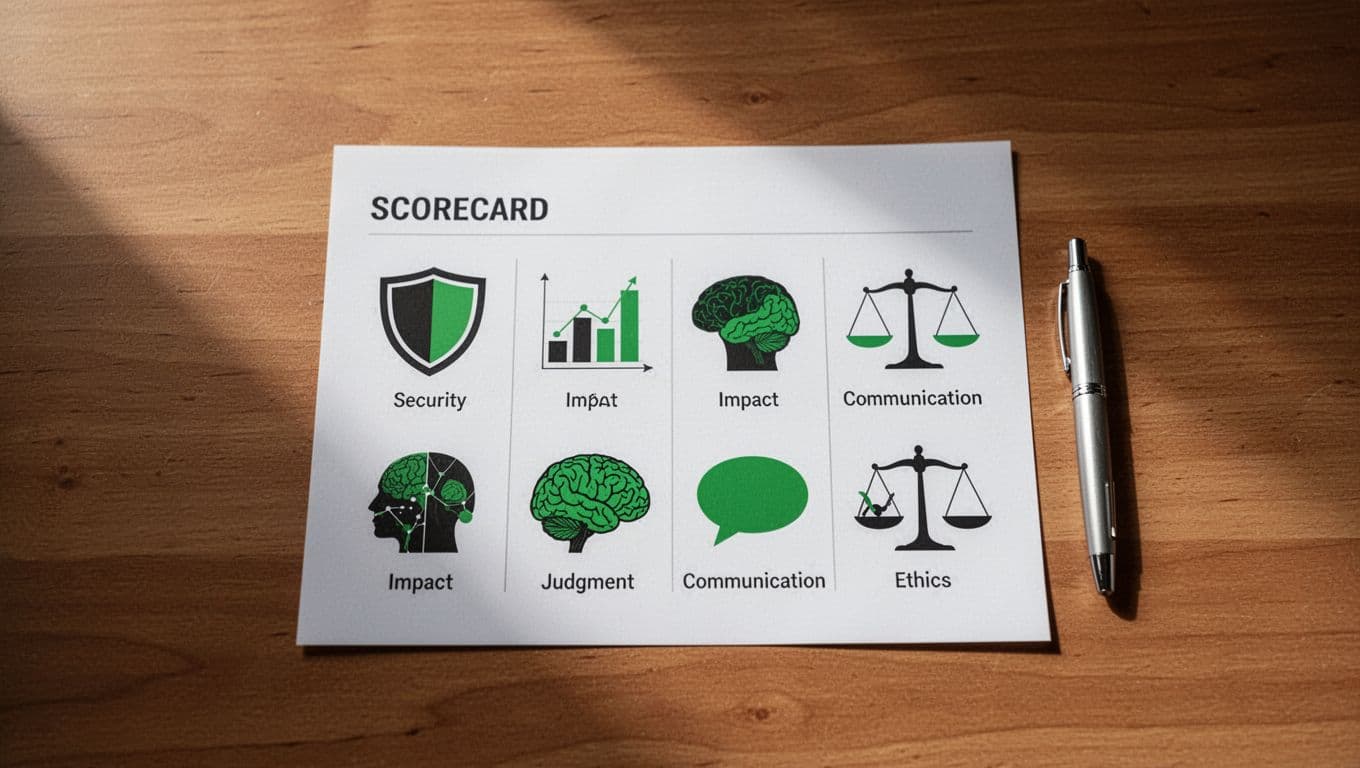
A simple 20-point scorecard that works
Hiring teams need a way to compare portfolios without guessing. This 20-point rubric is simple enough for screening and strict enough to spot weak work.
| Category | 0 to 1 points | 2 to 3 points | 4 points |
|---|---|---|---|
| Relevance | Projects feel random or hobby-only | Some work matches the target role | Work matches the role, such as SOC, cloud, IAM, or AppSec |
| Impact | No outcome or context | Some result, but hard to verify | Clear outcome with numbers, trade-offs, or business value |
| Technical depth | Surface-level screenshots | Some explanation or code | Reproducible steps, logic, and sound tool use |
| Communication | Hard to scan | Adequate write-up | Clean summary, structure, and plain language |
| Ethics and judgment | Risky or careless content | Some caution, but unclear | Clear boundaries, lawful methods, and responsible disclosure |
A score of 16 to 20 means the portfolio is strong for screening. A score of 11 to 15 means it has promise, but needs work. Under 10 usually means the candidate needs better proof.
A portfolio gets scored like evidence in a case file. Every claim needs support.
Candidates can use the same rubric to self-check before they apply. If a project lacks impact, add metrics. If it lacks depth, add notes, diagrams, or sample output. If it lacks trust signals, fix the ethics section first.
Which portfolio formats score highest
A portfolio works best when it mixes formats. Different formats show different strengths, and that helps hiring teams see the full picture.
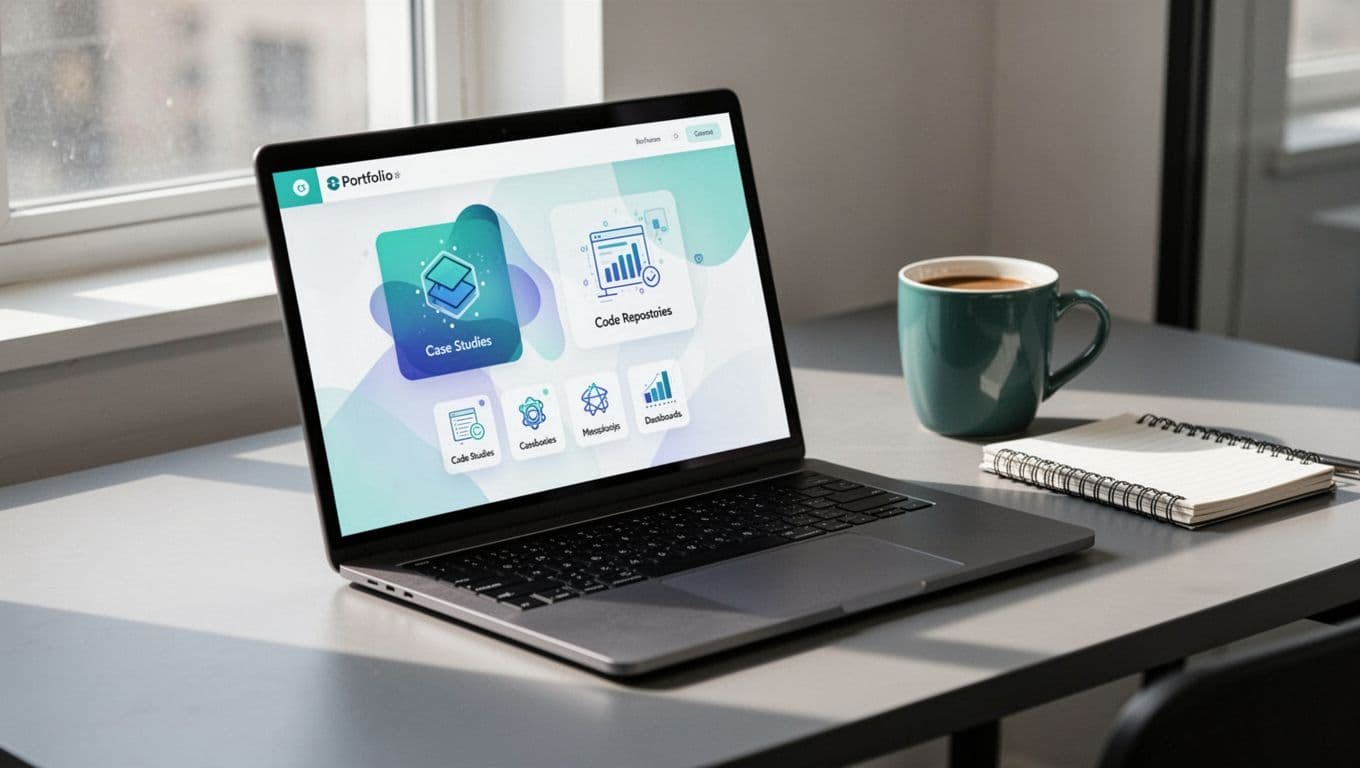
GitHub is useful for code samples, detection rules, scripts, and lab work. A personal website gives you room for case studies, blog posts, and a short bio that connects the dots. Case studies are strong because they show how you think from problem to result.
Lab write-ups work well for SOC analysts, incident responders, and students. Keep them tight. Show the scenario, the data, the decisions, and the result.
Detection content also scores well. Sigma rules, Splunk searches, Sigma-to-SIEM notes, and tuning examples show practical skill. Threat research can help too, as long as it explains why the issue matters and how you validated it.
For inspiration, browse these portfolio projects with real GitHub examples and compare them with your own work. The strongest examples read like a notebook from real work, not a trophy shelf.
A simple mix works well:
- one case study with business impact
- one GitHub repo with code or detection content
- one lab write-up or threat report
- one short blog post that explains a lesson
That mix gives reviewers more than one way to say yes.
Legal and ethical lines matter more than polish
This part can make or break a candidate. A portfolio that crosses legal lines loses trust fast.
Do not publish client data, internal logs with sensitive details, or screenshots from work systems. Do not post exploit code without context if it could be misused. Do not ignore disclosure rules when you describe a vulnerability or test result.
Safer portfolios stay inside clear boundaries. They use lab data, redacted screenshots, mock environments, open-source targets, or public datasets. They also say what was changed, what was simulated, and what was left out.
That kind of clarity helps hiring teams. It shows judgment. It also shows you understand that security work comes with real limits.
How to raise your score before you apply
The fastest way to improve a portfolio is to make every project answer the same four questions. What was the problem, what did you do, what changed, and how do you know it worked?
Use numbers whenever you can. A detection rule that cut false positives by 40% tells a stronger story than “improved alerting.” A cloud hardening case study with fewer exposed services is better than a generic checklist.
Then clean up the presentation. Put the best work near the top of your site or repo. Add short summaries at the start of each project. Use headings, bullets, and screenshots only where they add value.
If you want help tightening the story behind your work, Book a Discovery Call with Bud Consulting. It can help before a job search gets serious.
Final thoughts
A strong portfolio doesn’t try to impress everyone. It gives hiring teams a clear reason to trust your work.
If your projects show impact, judgment, communication, and ethics, your portfolio starts doing part of the interview for you. That is the real test in security portfolio hiring.