table of contents
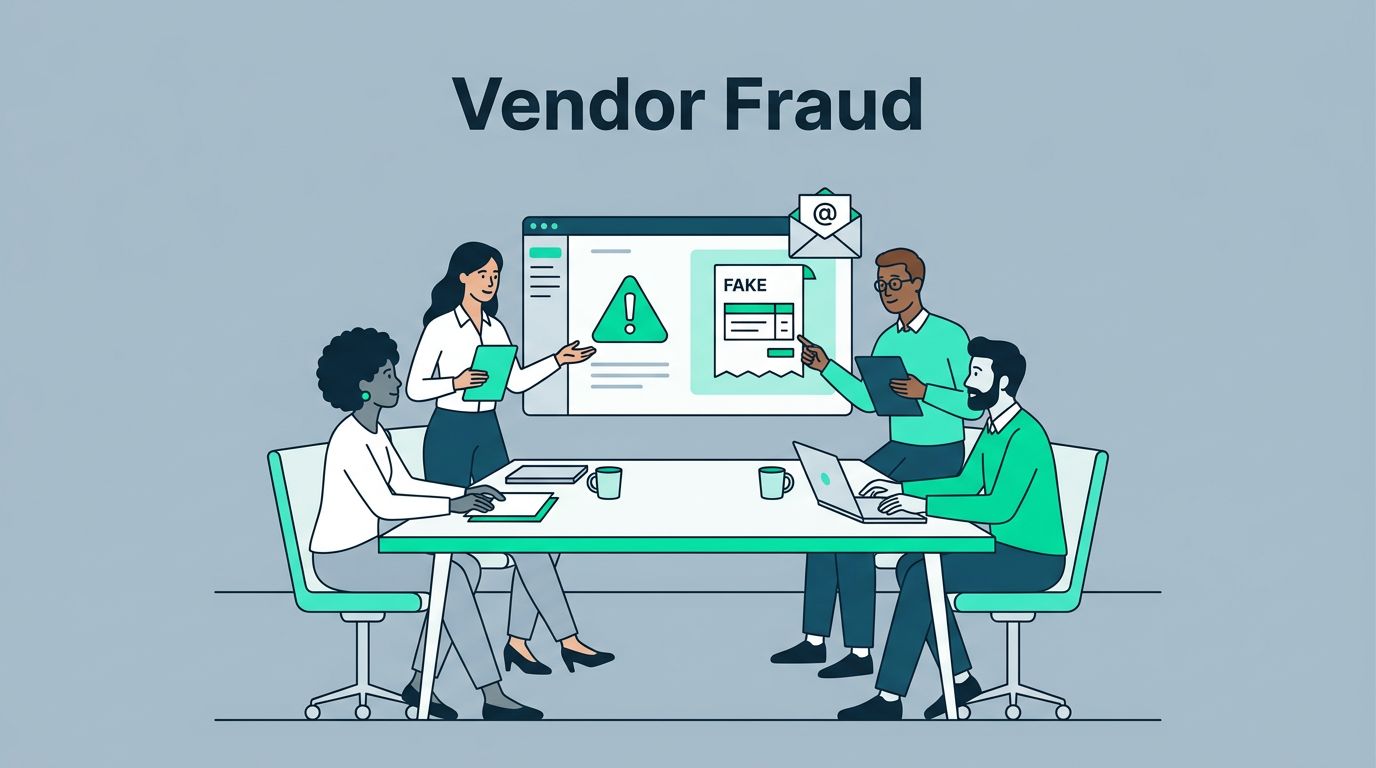
Vendor fraud rarely starts with a dramatic breach. More often, it begins with a polished email, a familiar name, and a payment change that looks routine.
AI has made that trick easier. In 2026, procurement teams face fake vendor updates, lookalike domains, and invoice redirection attempts that can pass a quick glance.
That is why vendor fraud prevention is now a training issue, not only a controls issue. The teams that spot risk early need clear habits, shared rules, and a fast response path.
Teach teams the fraud patterns they will actually see
Most fraud cases in procurement follow a few repeatable patterns. The attacker wants one thing, a trusted payment or a master-data change.
A good reference point is AI impersonation and vendor fraud, because it shows how convincing these messages have become. The sender may copy a real vendor tone, use a close match to a domain, and push urgency around an overdue invoice or tax issue.
In training, focus on the most common scenarios:
| Fraud scenario | What should feel off | Best first response |
|---|---|---|
| Bank detail change request | Urgent tone, new reply address, pressure to move before payment run | Stop the payment and verify through a known contact |
| Invoice redirection | Same vendor name, different bank info, slight mismatch in invoice history | Hold the invoice and compare against the approved vendor record |
| New vendor onboarding | Similar company name, missing tax details, weak references | Check registration data and require full validation |
| Executive pressure on an exception | “Do this now” language, request to skip approval steps | Escalate to AP, legal, or security before acting |
That table should become part of onboarding and refresher training. It gives staff a clear set of signs to watch for.
One useful detail from recent fraud trend reporting is that AI is making fraud messages cleaner and faster to produce. That means grammar and tone are no longer reliable filters. Teams need to verify the request, not the wording.
A request can look normal and still be fraudulent.
The goal is not to turn procurement staff into investigators. It is to teach them when to pause, who to call, and what proof to ask for.

Train on cases, not slides
Slide decks fade fast. Short scenario drills stick.
The best programs use realistic examples, then ask teams to decide what to do next. A practical starting point is vendor validation best practices, because vendor validation should be a habit, not a one-time checkbox.
Use short drills that reflect real work. For example:
- A vendor sends a bank change at 4:45 p.m. on a Friday.
- An AP clerk spots a lookalike domain with one letter changed.
- A sourcing manager gets a rush request to bypass normal onboarding.
- A supplier asks for a payment reroute after a contract amendment.
Each drill should end with the same questions. Who owns the decision? What evidence is required? Who else must review it? Which channel is approved for verification?
Those questions matter because fraud often hides inside normal pressure. When the invoice queue is full, people want to move fast. Training should teach them to slow down at the exact moment fraud depends on speed.
A simple rule helps: no vendor bank change gets approved from the same email thread that requested it. If the request is real, the vendor can prove it another way. A known phone number, secure portal, or established contact path is far safer than a reply button.
The 2026 environment also includes fake vendor websites and cleaner payment redirection tactics. That means training should include web checks, not only email checks. Staff should know how to compare domain names, look for recent changes in contact data, and confirm whether the website matches the vendor record.
Give procurement a fast response playbook
When a suspicious request lands, speed matters. The wrong move is to debate it in inbox replies.
For a close look at the pattern, see supplier bank account change fraud. It is the exact type of scam that catches teams when verification steps are loose.
A good response playbook is simple:
- Freeze the payment or hold the master-data change.
- Verify the request using a known phone number or secure vendor portal.
- Save the email, invoice, and headers for review.
- Tell AP, procurement leadership, IT security, and legal right away.
- Check whether the same vendor sent other requests that day.
If money already moved, escalation should happen in minutes, not hours. The team needs a named owner for the incident, plus a clear path for bank contact, legal review, and internal reporting.
Never confirm a payment change through the same message thread that requested it.
Training should also show what good documentation looks like. If a vendor dispute follows, the company needs a clean record of who approved what, when verification happened, and which control failed.
Make prevention a shared habit across teams
Procurement cannot stop vendor fraud alone. The process touches AP, IT security, legal, and compliance.
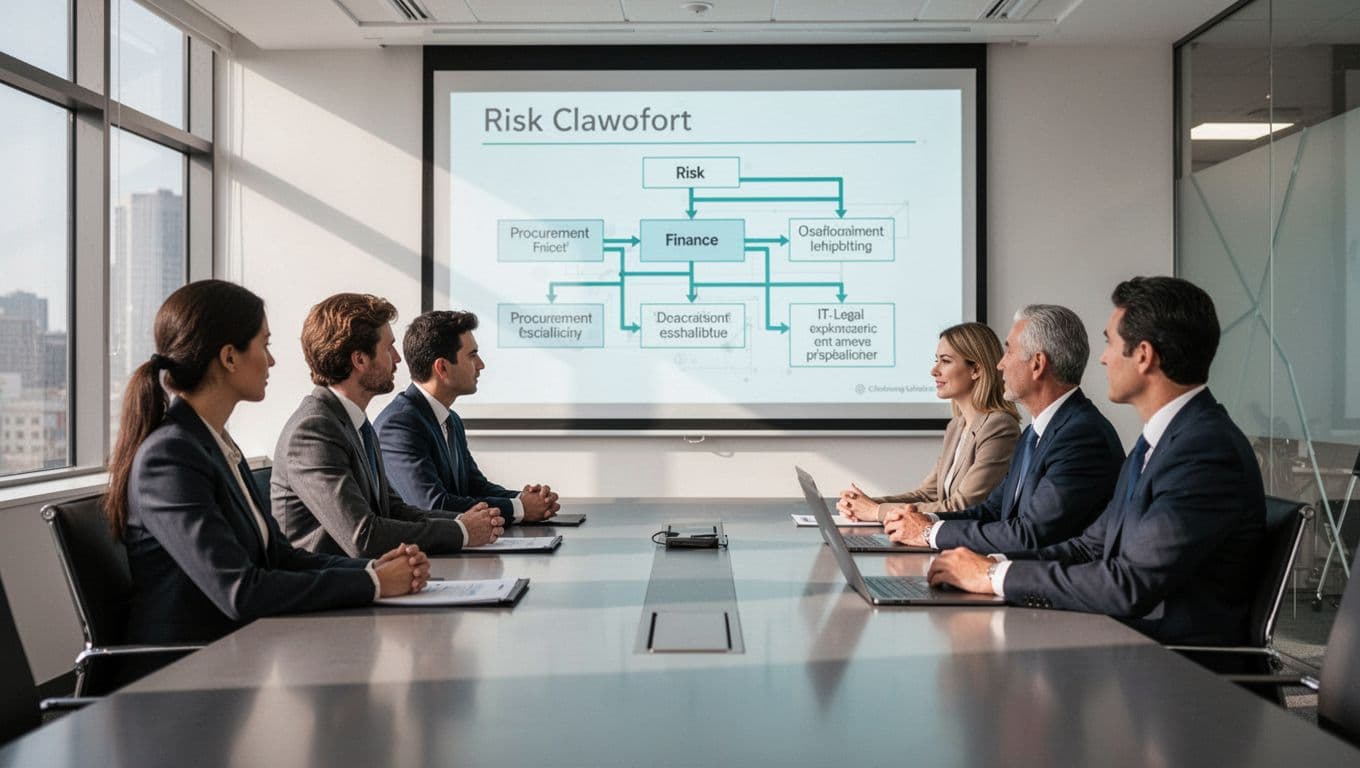
Procurement owns vendor relationships and change requests. AP owns payment holds and release checks. IT security watches mailbox takeover, domain lookalikes, and email authentication. Legal and compliance review contract terms, sanctions issues, and escalation rules.
That split only works when the groups rehearse together. A quarterly review is a good start. Use it to test a fake change request, review any near misses, and check whether the approval chain still matches current roles.
Track a few simple measures:
- How many bank changes were verified through a second channel
- How long verification took
- How many payments were paused before release
- How many vendors were revalidated this quarter
Those numbers show where the weak spots are. They also help you explain risk to leadership without drama.
If your team needs help closing skills gaps or building a training plan, Book a Discovery Call with Bud Consulting.
The best vendor fraud training does not try to scare people. It gives them a clear way to slow down, verify, and escalate.
That matters even more now, because AI has made fraud look ordinary. The teams that win are the ones that treat every unusual payment request like a test of process, not a race to approve it.