table of contents
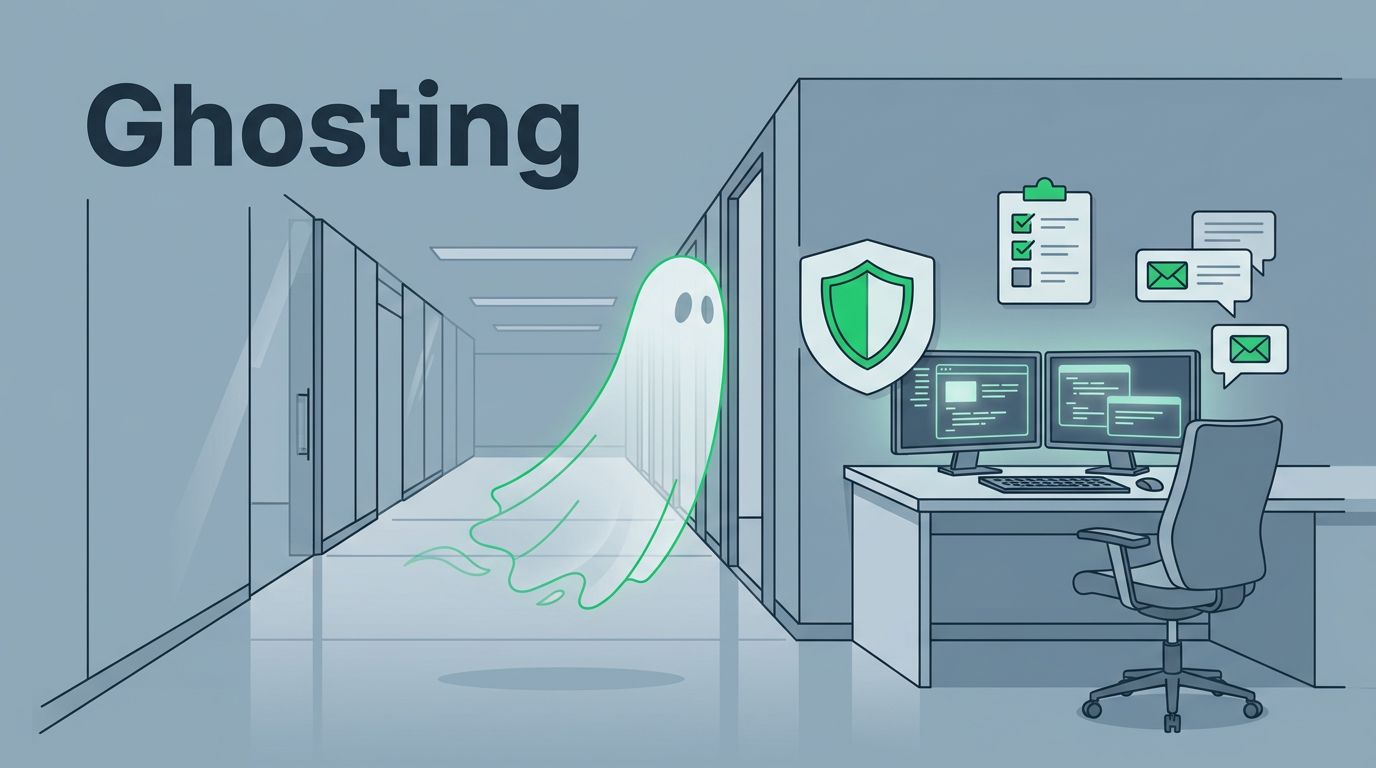
You leave a strong interview, then the inbox goes quiet. In security hiring, that silence can follow a panel interview, a technical screen, or a long chain of approvals.
It stings because the role felt close. Yet security interview ghosting often comes from slow internal process, extra vetting, or a recruiter juggling too many moving parts.
The best response is not louder follow-up. It is a calmer one that is easy to answer.
Why security interviews go quiet
Ghosting after an interview is often about process, not personal rejection. Indeed’s overview of recruiter ghosting explains that communication breaks down for many normal hiring reasons, including shifting priorities and poor coordination.
That matters even more in security roles. A SOC analyst job may need input from a hiring manager, a team lead, and an operations manager. An incident response role may need a fast yes from one person and a slow yes from three others. Consulting positions can take longer because client fit, budget, and project timing all have to line up.
When you know that, the silence feels less mysterious. You still want a reply, but you can stop treating every delay like a verdict.
Send a calm follow-up that is easy to answer

A good follow-up is short, specific, and polite. Send your thank-you note within 24 hours, then wait for the timeline they gave you. If they gave no timeline, check in after five to seven business days.
If you want a simple format, Indeed’s follow-up email examples can help you keep your note brief. The point is to remind them who you are and make replying simple.
You can use wording like this:
Subject: Thank you for the SOC analyst interview
Hi Maya, thank you for speaking with me yesterday. I enjoyed our discussion about alert triage and shift handoff. I’m still very interested in the role, and I’d be glad to share anything else that would help.
Subject: Following up on next steps
Hi Jordan, I wanted to check in on the timeline you mentioned after our panel interview. I’m still interested in the opportunity and wanted to see whether there are any updates or documents you need from me.
Those notes work because they are direct. They also give the recruiter one clear path: reply with a timeline, a request, or a next step.
Know when delays are part of the process

Some security jobs move slowly for reasons that have nothing to do with your interview. Background checks, compliance reviews, references, and clearance steps can all add time. Reports on personnel vetting system delays show how security-related hiring can stall in the vetting stage.
That is common for federal work, defense contracts, and roles that touch sensitive data. If the interviewer said the background check could take time, believe that. If they mentioned a client approval, clearance transfer, or compliance review, give it room to breathe.
Still, don’t wait forever. If the stated timeline has passed by more than a week, send one polite check-in. After that, step back and keep your search moving.
Make your follow-up easier to remember
Panel interviews often blur together for hiring teams. Your note should help them place you fast. Mention one topic you discussed, one problem you can solve, and one proof point from your background.
For example, an incident response candidate might mention containment and reporting. A SOC candidate might mention alert tuning or triage speed. A GRC candidate might point to audit support or policy work. Consulting candidates should mention the type of clients or environments they understand.
Keep attachments to a minimum unless they asked for them. A short email is easier to read on a crowded day. It also feels more professional than a long status chase.
If the same problem keeps showing up across SOC, GRC, or consulting roles, Book a Discovery Call with Bud Consulting to tighten your CV and post-interview follow-up approach.
A quick checklist before you hit send
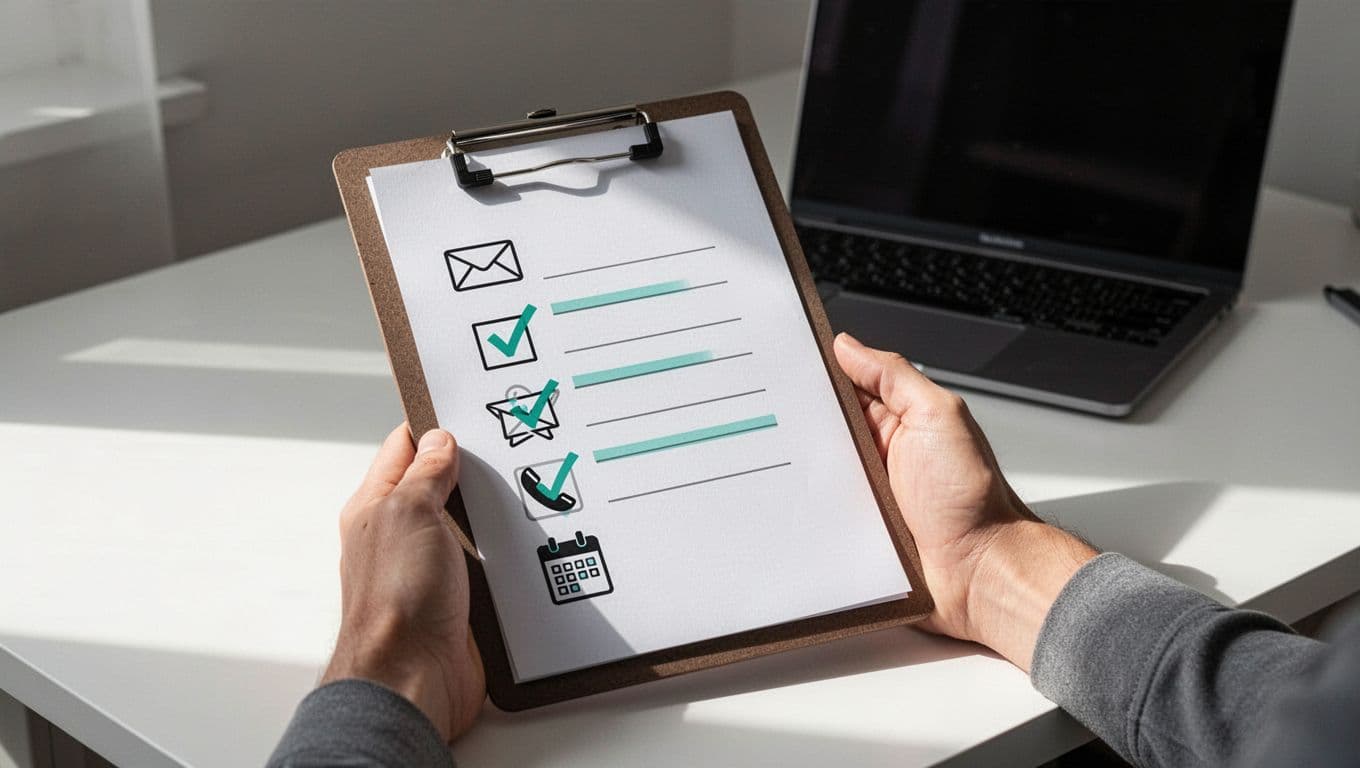
Use this quick check before every follow-up:
- Send a thank-you note within 24 hours.
- Reference one specific part of the interview.
- Match the tone of the company and role.
- Ask one clear question about timing or next steps.
- Stop after one or two follow-ups if there’s still no reply.
That checklist keeps your message sharp. It also protects your time and energy.
Keep the door open without chasing it
Ghosting after a security interview feels personal, but it usually isn’t. The strongest response is a note that is brief, timely, and easy to answer.
When you respect the timeline, mention the right details, and stay professional, you stay memorable for the right reasons. That matters whether you’re interviewing for a SOC role, a panel-led engineering job, or a position waiting on clearance.
A calm follow-up won’t fix every silent employer, but it will keep your name in the stack for longer.