table of contents
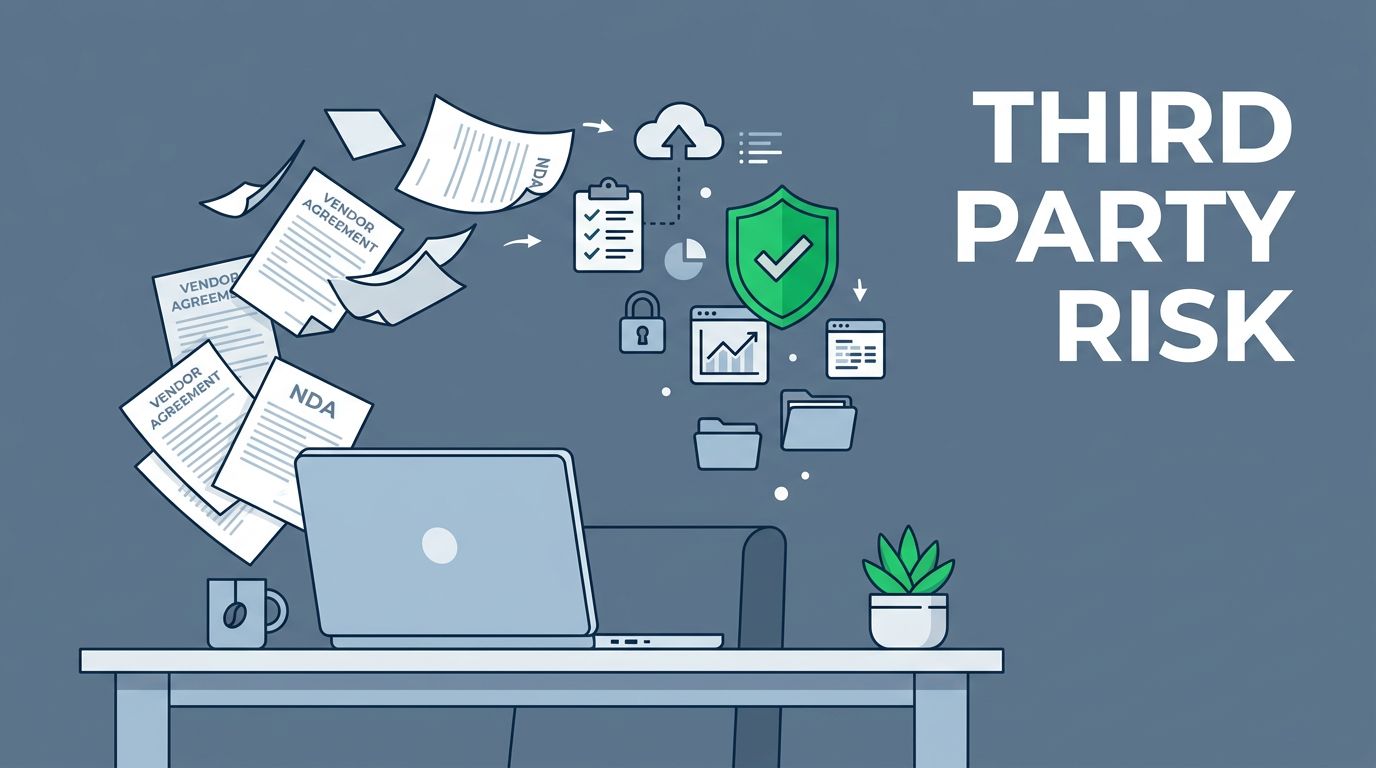
Vendor risk grows fast. If your team is tracking suppliers in spreadsheets, email threads, and scattered reports, the process will slip. A third party risk management consultant can help you bring order to that chaos before it shows up in an audit or incident.
Most organizations wait too long. They call for help after a major finding, a contract delay, or a breach tied to a vendor. A better time is when the workload has grown beyond what your team can manage with confidence.
The right support adds structure, speed, and a clear path forward. The wrong support just adds another layer of work. The difference comes down to scope, fit, and execution.
Signs Your Program Needs Outside Help
The need for outside help usually shows up in plain sight. Your team may be spending more time chasing questionnaires than judging real risk. Or new vendors keep slowing down procurement because no one owns the process end to end.

A vendor program that lives in spreadsheets and inboxes can’t scale with a larger supplier base.
Other warning signs are easy to spot. You may see inconsistent reviews across departments, weak contract language, or no clear method for handling fourth-party exposure. If auditors keep asking for the same evidence, the problem is probably process, not effort.
Outside help also makes sense when leadership wants faster reporting. Boards want simple answers, not a pile of incomplete assessments. A consultant can turn scattered work into a repeatable program.
For a practical reference point, the third-party risk management best practices guide is useful for seeing what a mature workflow often includes.
Build Internally or Bring in a Consultant?
Some teams can build a solid program in-house. Others need a head start. The right choice depends on time, skill, and how messy the current state is.
| Decision factor | Build internally | Hire a consultant |
|---|---|---|
| Speed to launch | Slower, because training and design take time | Faster, because the playbook starts ready |
| Program maturity | Good for stable, repeat work | Strong when the program is new or inconsistent |
| Cost shape | Lower outside spend, higher staff time | Higher short-term spend, less internal strain |
| Knowledge transfer | Best when experts already sit on the team | Best when you need structure and coaching |
A hybrid model often works best. The consultant designs the process, helps with priority vendors, and trains internal owners. Then your team keeps the program running.

That approach gives you speed without losing control. It also reduces the risk of paying for outside help that never transfers into day-to-day work.
What a Strong Consultant Should Bring
A good consultant does more than write policies. They should understand how vendor risk touches security, procurement, legal, and compliance. They also need enough depth to spot weak controls quickly.
Look for these skills and traits:
- Framework fluency: They should know NIST CSF, NIST 800-53, and supply chain guidance such as NIST’s cybersecurity supply chain risk management practices.
- Assessment skill: They should know how to classify vendors by risk, not treat every supplier the same.
- Practical remediation: They should help you fix contract gaps, control issues, and review workflows.
- Training ability: They should leave your team stronger, not dependent on a consultant forever.
If your organization works under a strict regulatory lens, that matters even more. Finance, healthcare, and public sector teams often need cleaner evidence and stronger audit trails. In those cases, a consultant should know how to map controls to your internal obligations and to common frameworks like third-party risk management framework guidance.
The best consultants speak in business terms. They connect vendor risk to uptime, data loss, contract exposure, and delivery delays. That keeps the program focused on outcomes.
Questions to Ask Before You Hire
A strong interview process keeps you from buying slide decks instead of results. Ask direct questions and listen for clear, specific answers.
- Which frameworks and regulations have you supported in the last year?
- How do you rate vendor risk and decide review frequency?
- What deliverables will we own at the end of the engagement?
- How do you train internal staff so the program sticks?
- What does success look like after 90 days?
You should also ask for examples. Not client names, unless allowed, but sample outputs, redacted workflows, and before-and-after process changes. Those examples show how the consultant thinks.
Pay attention to how they handle scope. Good consultants set limits. They will tell you where they add value and where your internal team should lead. That honesty matters more than a polished sales pitch.
If you want a second opinion before building more in-house, Book a Discovery Call with Bud Consulting to compare options and map the right support model.
How to Measure Engagement Success
Success should be visible in the process, not just in a final report. If the consultant did their job well, your team should feel less friction almost immediately.

Measure a few practical outcomes:
- Vendor onboarding time drops.
- Risk ratings follow one method.
- High-risk suppliers get faster review.
- Remediation actions have clear owners.
- Leadership receives cleaner reporting.
A solid engagement also leaves behind usable assets. That includes templates, decision trees, questionnaires, and a documented process for ongoing monitoring. If the work disappears when the consultant leaves, the engagement missed the mark.
The goal is a repeatable program that keeps working. It should handle new vendors, contract renewals, and monitoring without constant rescue.
A consultant earns their fee when your team can manage risk with less chaos. That matters when vendor lists grow, audits get tighter, and leaders want answers they can trust. The right outside partner helps you build a program that holds up long after the first project ends.