table of contents
Buying a penetration test can be harder than it sounds. Two vendors can quote the same asset and deliver very different results.
One may give you a clear exploit path and fixes your team can use. Another may hand over scanner noise and a polished PDF. If you are hiring for a web app, network, cloud, or compliance review, the right consultant is the one who proves risk, explains it well, and stays inside the agreed scope.
Pick the right test for the risk you care about
A vendor can say “security testing” and mean very different things. For a quick side-by-side view, TechTarget’s comparison of pen tests and vulnerability scanning helps clear up the basics.
| Service | What it does | Best fit |
|---|---|---|
| Vulnerability scanning | Automated checks for known issues | Patch tracking and broad coverage |
| Penetration testing | Manual attack attempts with proof | Web apps, networks, cloud, compliance |
| Red teaming | Goal-based attack simulation | Mature teams that want to test detection and response |
A scan finds likely problems. A penetration testing consultant tries to confirm real exploit paths. Red teaming goes wider and often stays quiet longer, so it measures how your people, controls, and alerts hold up under pressure.
A scan finds possible issues. A pen test proves what can be exploited.
If you need evidence for an audit or a board review, buy a pen test. If you only need help finding weak spots before patching, a scan may be enough. If you want to measure detection and response, red teaming is the better fit.
Check for hands-on skill and relevant proof

A strong consultant should show recent work on systems like yours. For web apps, that includes auth flows, APIs, session handling, and business logic. For networks and cloud, it includes lateral movement paths, IAM mistakes, exposed services, and misconfigurations.
Use this filter when you review proposals:
- Recent tests on the same asset type
- Manual validation of findings
- Familiarity with OWASP, PTES, NIST SP 800-115, and CREST
- Sample report sections, not a polished marketing PDF
- Clear retest support after fixes
Certifications help, especially OSCP or CREST-aligned credentials, but they should support the work, not replace it. A practical hiring checklist is outlined in How to Hire a Penetration Tester, and it lines up well with what buyers should ask for in a proposal.
Many consultants now use AI to speed recon and report drafts. That can save time, but it doesn’t replace manual proof. Ask to see how they validate findings, because that is where skill shows up.
Make the rules of engagement explicit
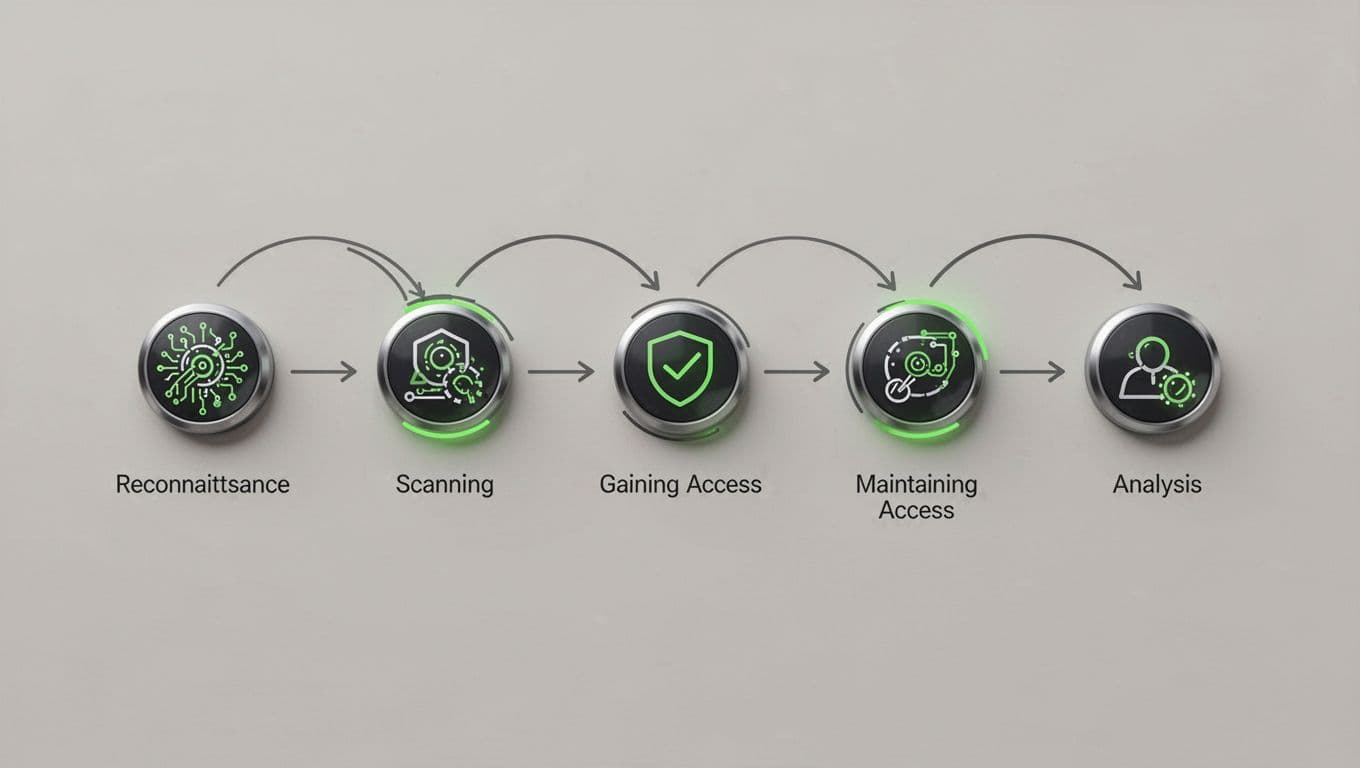
Good testing starts with a signed scope. It should list in-scope domains, IPs, cloud accounts, test windows, and the tools the tester can use. It should also spell out whether social engineering is included, whether testers may use provided credentials, and who can stop the test if production risk rises.
Serious providers map their work to OWASP’s penetration testing methodologies, PTES, or NIST SP 800-115. Many also reference CREST defensible testing. That matters because a clear method gives you repeatable results, cleaner reporting, and fewer surprises during the engagement.
Ask who gets notified if a test hits a live system issue, what evidence they keep, and how they handle sensitive data. Also ask about safe stop conditions. A consultant who can’t answer those questions is a risk before the test even begins.
Judge the report, retest terms, and price together

Reporting is where weak consultants give themselves away. A good report has an executive summary, affected assets, reproduction steps, risk ratings, evidence, and fixes written for engineers. It should also say which findings need retest and how verification will work.
The best consultants stay available after delivery. If they disappear once the PDF lands, your team may still be guessing about the fix. That is a bad sign, especially when the test feeds compliance work or a release decision.
Current 2026 quotes often put a web app test at $5,000 to $25,000, network testing at $10,000 to $30,000, cloud testing at $10,000 to $45,000, and red team work at $50,000 to $100,000 or more. Smaller external or internal engagements can start around $3,000 to $12,000, while multi-site scopes move higher fast. Fixed-fee projects are the most common, day-rate work fits open-ended scopes, and retainers make sense when your team ships often.
If you’re comparing providers, Book a Discovery Call with Bud Consulting to review scope, report quality, and retest terms side by side.
A cheap quote can hide an expensive gap. A strong penetration testing consultant shows real manual skill, clear scope control, and reporting your team can act on fast.
That matters because the best engagement does more than expose a flaw. It gives you proof, a fix path, and a better call on what to do next.