table of contents
A breach rarely starts with one dramatic mistake. It usually starts with small gaps that stay open too long.
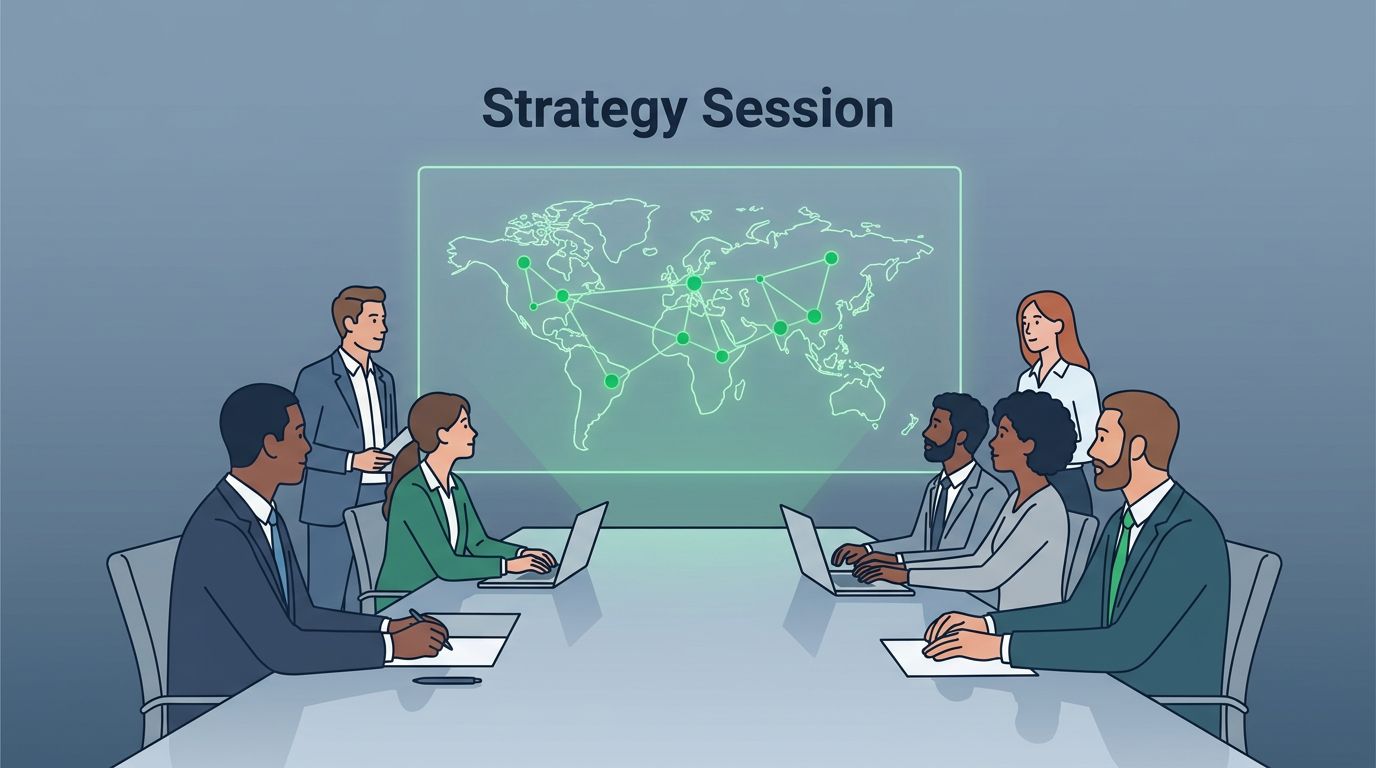
A cybersecurity strategy session helps you spot those gaps before they spread. It gives leaders one place to talk about risk, budget, people, and next steps. If your team feels busy but not aligned, this kind of meeting can turn scattered concerns into a plan you can use.
Why a cybersecurity strategy session matters
Many organizations have tools, but they still lack a clear security plan. That gap shows up when teams patch problems one by one, then lose sight of the bigger risk.
A strategy session pulls the work back into focus. It connects security decisions to business goals, so you can protect the systems that matter most. For a broader view of security as a business issue, see Gartner’s cybersecurity strategy guide.
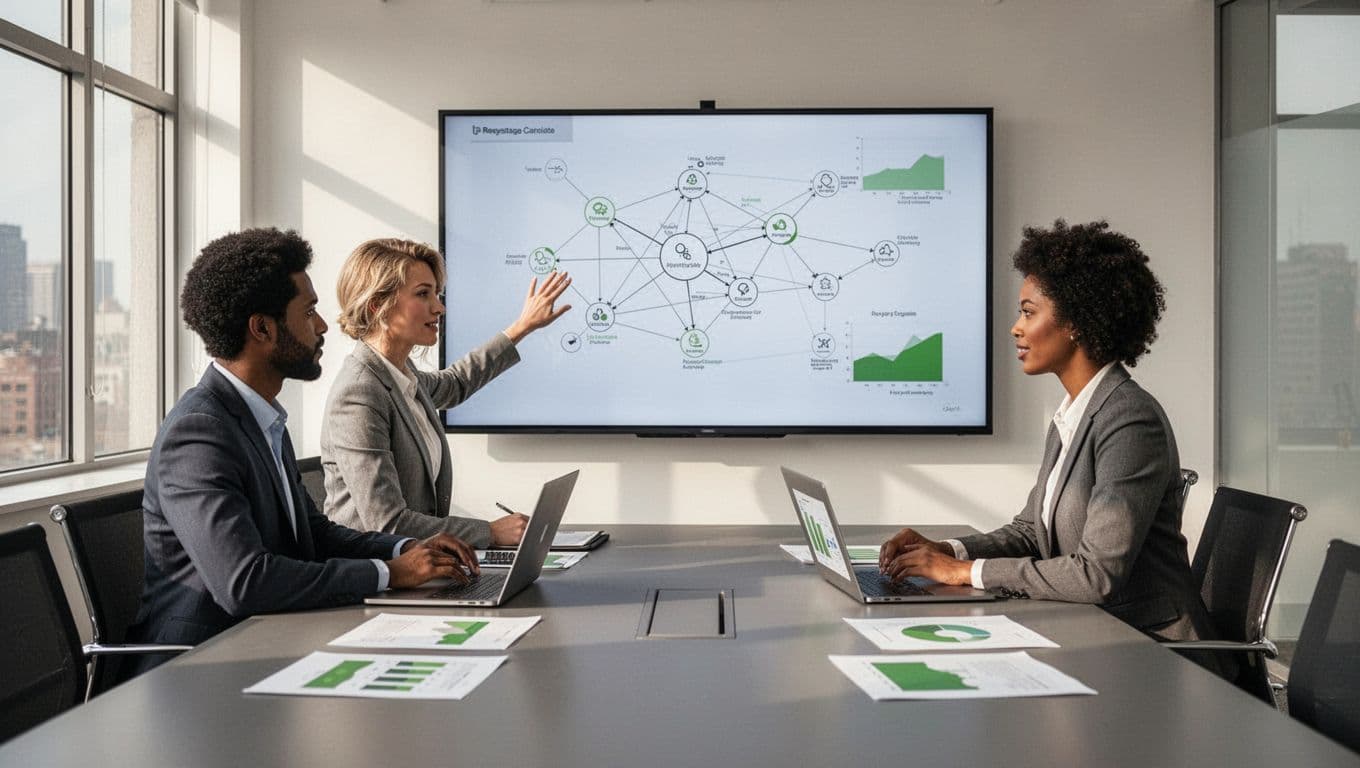
This matters most when the business grows faster than its controls. New apps, remote access, vendors, and cloud services can widen the attack surface fast. A good session helps you decide what to fix first, what to test next, and where outside support would save time.
It also gives decision-makers a shared view of risk. That makes it easier to say yes to the right work, and no to distractions.
What gets discussed during the meeting
A strong session should cover more than firewalls and passwords. It should look at how your business actually runs, where data lives, and how an attacker would try to move through your environment.
A simple way to organize the discussion is shown below.
| Topic | What it covers | Why it matters |
|---|---|---|
| Business-critical assets | Systems, data, and services that keep revenue moving | These are the first things you should protect |
| Current controls | Identity, email, endpoints, backups, logging, and response steps | Gaps here often create the biggest losses |
| Threat exposure | Public-facing systems, weak configs, and known attack paths | This shows where testing and monitoring should begin |
| Human risk | Awareness, habits, approvals, and access behavior | People can open doors that tools miss |
| Next actions | Priorities, owners, deadlines, and budget needs | This turns advice into work |
That table is the point of the session in plain view. You leave with a ranked view of risk, not a pile of vague ideas.
Some teams also use the conversation to map where their current staff falls short. If you need senior help in cloud security, IAM/PAM, DevSecOps, app sec, or security leadership, the session can show that early. For a practical planning lens, TechTarget’s cybersecurity strategy guide is a useful reference.
How to prepare so the session pays off
A little prep makes a big difference. Bring enough context so the meeting can focus on choices, not basic fact-finding.
Before the session, gather these items:
- A list of your most important systems, data, and vendors.
- Any recent incidents, near misses, phishing reports, or audit findings.
- A short note on compliance demands, customer expectations, or contract risks.
- Your current security goals, even if they feel rough or incomplete.
You do not need perfect documentation. You do need enough detail for the discussion to stay specific.
If possible, include people who know how the business works, not just how the tech works. That helps the session avoid one-sided advice. It also makes it easier to spot weak spots in process, approval flow, and ownership.
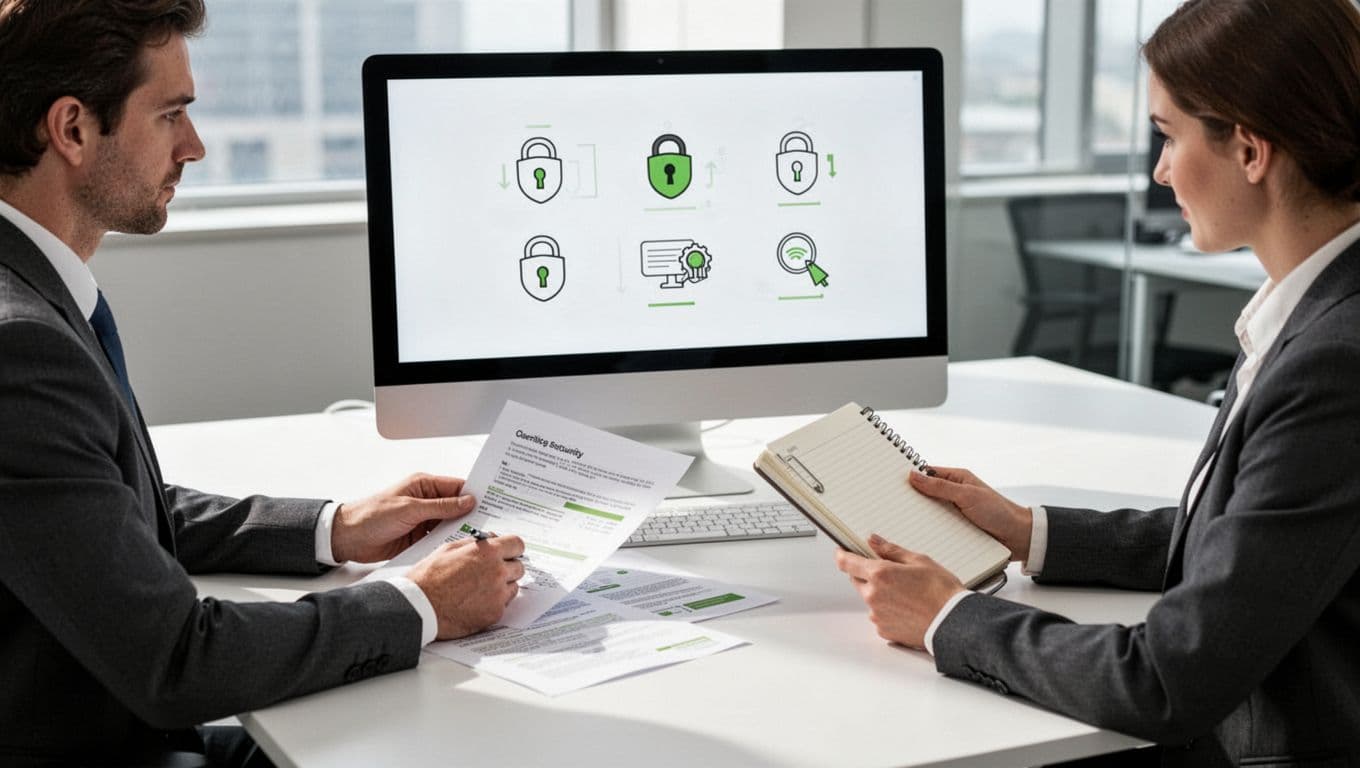
If your team lacks deep security experience, that prep work matters even more. It can reveal where you need outside advisory help before the project drifts.
Who should attend and why
The best sessions include the people who can approve action and the people who know the day-to-day reality. That mix keeps the conversation grounded.
Business owners or executives should attend because they own risk trade-offs. IT leaders should be there because they know the current stack and its weak spots. Operations or compliance leaders add context on process, vendor pressure, and control gaps.
Security staff should join if they exist in-house. If they don’t, an outside adviser can help translate business needs into a workable plan. ISC2’s view on cybersecurity resilience strategy makes the same point, since real strategy depends on many roles working together.
In some cases, a recruiting or advisory partner can also help. That matters when the session shows a clear skills gap, but no internal path to close it. Bud Consulting often helps organizations spot those gaps early, then decide whether they need advisory support, better hiring, or both.
Make the next meeting count
A strategy session should end with decisions, owners, and dates. If it doesn’t, it was a discussion, not a plan.
The best outcome is a short, clear next step list. That usually includes top risks, quick wins, longer-term fixes, and who owns each item. It may also point to continuous threat exposure management, stronger security awareness work, or senior talent you need to bring in.
If you want that kind of focused start, Book a Discovery Call with Bud Consulting and turn one conversation into a practical security plan.
A good cybersecurity strategy session doesn’t add noise. It cuts through it, so your team can move with purpose.