table of contents
When you need a cybersecurity consultant, a phone number is only useful if it’s real. A stale directory listing or a copycat site can waste time and create risk.
That matters for business owners, IT managers, and procurement teams alike. You may need a vendor for incident response, senior talent search, or security advice, and you want the right person on the first call.
The safest path starts with the firm’s own contact page, then a quick check before you dial.
Start with the firm’s official contact page
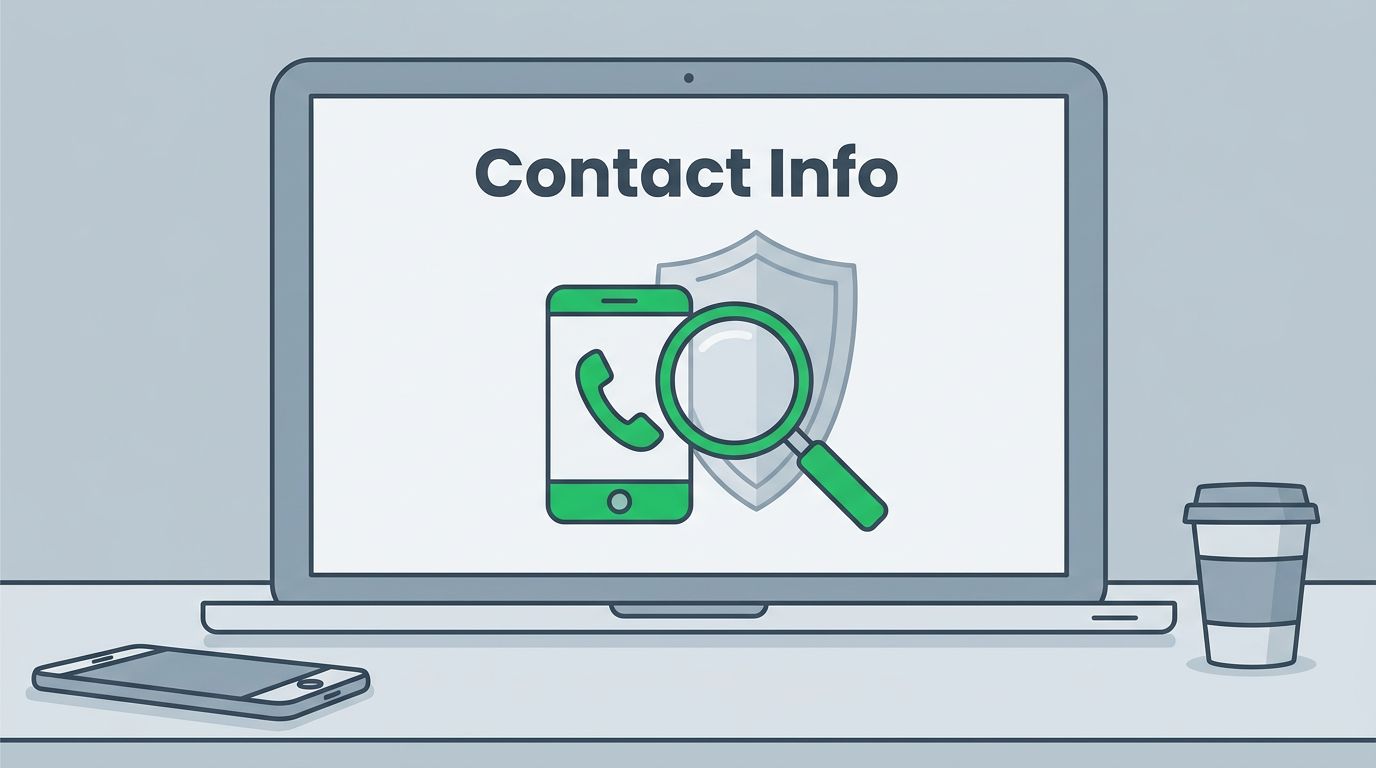
The cleanest place to find a cybersecurity consulting phone number is the company’s own website. If the number appears on the official contact page, that’s your strongest signal that it’s current.
As of now, Bud Consulting’s public site lists an email and mailing address, but no phone number. When that happens, don’t guess. Use the contact path they publish.
Some firms make this easy. GuidePoint Security’s contact page and PurpleSec’s consultation page show the kind of public contact flow you want to see. If you’re checking multiple vendors, start there first.

A public phone line is useful, but only when it matches the firm’s own voice and service page. If the contact page feels thin or outdated, keep checking.
Cross-check the number before you call
A number on one page is good. The same number on two or three trusted sources is better.
| Source | Trust level | What to look for |
|---|---|---|
| Official contact page | Highest | Main office line, sales line, or support line |
| Official footer or About page | High | Backup number or local office line |
| Third-party directory | Medium | Useful for comparison, not for final proof |
A number that appears only in a directory should stay unconfirmed until you verify it on the company site. If you want a simple framework for that step, this cybersecurity provider vetting checklist helps.
If the phone number does not appear on the firm’s own site, treat it as unconfirmed.
That rule matters because contact data changes. Offices move, teams split, and old pages stay online long after the number changes.

When you compare the number across sources, look for the same company name, location, and service type. If those details conflict, pause and verify again.
Know what to ask once someone answers
Once the line connects, use the call to confirm fit and routing. Some firms split sales, support, and incident response, so the first person who answers may not be the right person.
That’s common at firms like FTI Cybersecurity and Dragos, where general inquiry lines and response lines can differ. A quick check saves time later.
Keep your questions short and direct:
- Is this the best number for cybersecurity consulting inquiries?
- Which team handles our need, such as cloud security, IAM/PAM, or executive search?
- What email should I use for follow-up documents?
- Who should procurement speak with about scope, pricing, or an NDA?
If you ask these early, the conversation gets useful fast. You’ll know whether the firm handles your type of work or needs to route you elsewhere.

A short first call should tell you more than a long sales pitch. You want clarity, not pressure.
Use alternative contact methods when no phone number is public
Not every cybersecurity consulting firm posts a direct phone number. That doesn’t mean the firm is hard to reach. It often means they prefer a form, email, or booked call for the first conversation.
For Bud Consulting, the public contact path points to email and address details, not a listed phone line. In that case, a scheduled call is the fastest route. Use Book a Discovery Call with Bud Consulting if you want a direct conversation without hunting for a number.
You can also check the firm’s LinkedIn page, office location, or contact form. Those paths help you confirm the company is active and match the right person to the right service.
If a firm serves both employers and candidates, as well as advisory clients, the routing matters even more. A general inbox might work, but a booking link often gets you to the right specialist faster.
A few signs the number deserves another look
A real contact number usually fits the rest of the company’s public footprint. The domain matches the email. The location matches the contact page. The greeting sounds like the firm you meant to reach.
If the call goes to a vague voicemail, or someone refuses to say the company name, stop there. If the person pushes urgency before explaining services, slow down and verify again.
The same goes for numbers copied from random listings. One typo can send you to the wrong vendor, or worse, a scammer posing as a consultant.
A good cybersecurity consulting phone number should be easy to confirm and easy to use. When it isn’t public, the firm should still give you a clean path through email, form, or booking page.
That’s the real test. A trustworthy firm makes contact simple, and it doesn’t hide behind guesswork.