table of contents
A vague SOW can sink a security project before the first call. When the scope is fuzzy, clients assume more, consultants promise more, and everyone loses time.
That problem gets worse in 2026, when buyers want faster approvals and cleaner procurement docs. A strong security statement of work template gives you a clear starting point, so you can set boundaries, list deliverables, and keep change requests under control.
Why security consulting needs tighter scope than a normal brief
Security work touches live systems, sensitive data, and tools that can create real risk. A generic consulting brief often leaves too much room for interpretation.
What happens when a client thinks retesting is included and you thought it wasn’t? The project slows down, trust drops, and the final invoice turns into a debate.
If a task is not named in the SOW, someone will treat it as included later.
That is why security projects need sharper language than a general advisory agreement. Your SOW should say what you will do, what you will not do, what the client must provide, and how changes get approved.
Copyable security statement of work template
Use the structure below as a base, then replace each bracketed field with project details.
Project summary
Sample language: “Consultant will provide [service] for [client name] on [systems, sites, or business units] during [dates]. The goal is to [identify risk, validate controls, or improve policy].”
Keep this short and plain. It should explain the job in one paragraph, without burying the reader in detail.
Scope boundaries
Sample language: “In scope are [assets, apps, offices, users]. Out of scope are [managed services, third-party systems, production changes, social engineering, or data migration].”
This is where many SOWs fail. List exclusions next to inclusions, so no one has to guess later.
Deliverables and acceptance criteria
Sample language: “Deliverables include [findings report], [executive readout], [remediation list], and [one follow-up meeting]. Work is accepted when these items are delivered in final form.”
A deliverable without acceptance criteria is only half defined. Tell the client what “done” looks like, and make it easy to verify.
Timeline and client dependencies
Sample language: “Work begins on [date], discovery closes on [date], draft results arrive on [date], and final readout happens on [date]. Client will provide access, stakeholders, and approvals within [x] business days.”
This section protects you when delays come from the client side. If your work depends on a testing window, named contacts, or log access, say so here.
Confidentiality and access
Sample language: “Consultant will handle client information as confidential, use approved channels for file exchange, and limit access to staff who need it. Client will grant least-privilege access to required systems and contacts.”
Security projects depend on trust. They also depend on getting the right access, at the right time, without unnecessary exposure.
Change requests and approvals
Sample language: “Any new target, extra workshop, revised test window, or added report requires written approval and a change to fee or timeline.”
Keep this clause short and firm. It should be simple enough for both sides to use without a second reading.
Have legal counsel review the final version before signature, especially if the work touches regulated data or contract risk.
How to tailor the template for common consultant projects
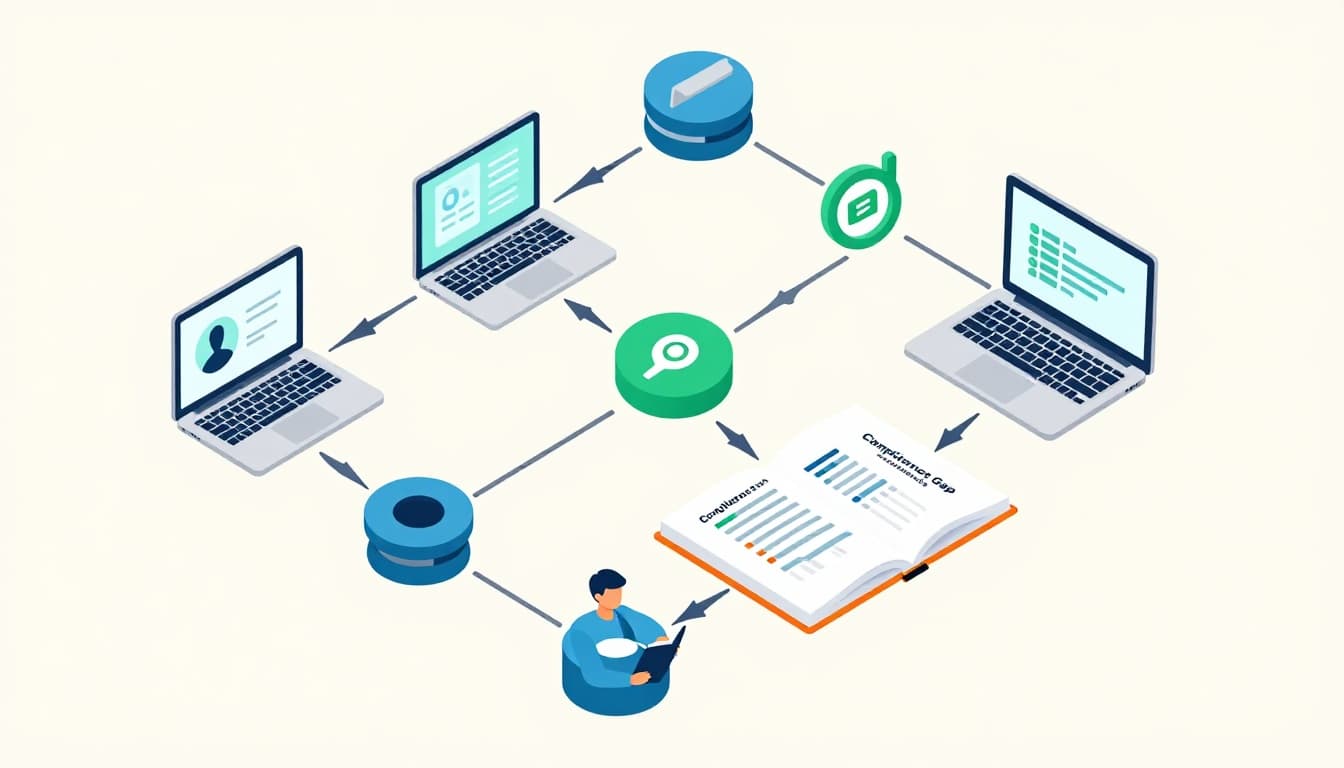
Different security engagements need different details. A vulnerability assessment is not the same as a vCISO retainer, so the SOW should reflect that.
| Project type | What to spell out |
|---|---|
| Vulnerability assessment | Asset list, scan windows, authentication, exclusions, retest terms |
| Penetration testing scoping | Rules of engagement, allowed methods, stop conditions, communication path |
| Policy development | Policy set, reviewers, approval owner, revision rounds |
| Security program review | Control domains, interview list, evidence needed, maturity model |
| Compliance gap assessment | Framework version, evidence sources, mapping depth, gap format |
| vCISO retainer | Meeting cadence, response time, advisory hours, decision rights |
The more advisory the work, the more the SOW should define cadence and response time. The more technical the work, the more it should define access, exclusions, and test limits.
If you want help tightening a client-ready scope before it goes out, Book a Discovery Call with Bud Consulting.
Common mistakes that create scope creep
Even a solid template can break down fast if a few details get skipped.
- Leaving out exclusions makes retesting, remediation support, and extra meetings feel implied.
- Mixing advisory work with implementation creates confusion about who owns the actual fix.
- Forgetting client dependencies makes delays look like consultant problems.
- Skipping change control turns new asks into unpaid work.
These are small gaps on paper, but they become expensive during delivery. Clean language prevents that drift.
A good security statement of work template does more than describe a project. It gives both sides a shared map, which makes the work easier to manage and easier to trust.
Before you send one out, read it like a client who wants certainty. If every boundary, deliverable, and change path is clear, the project starts on steadier ground.