table of contents
Security teams break in predictable ways when one key person leaves. Access gets delayed, decisions slow down, and hidden knowledge disappears with the employee.
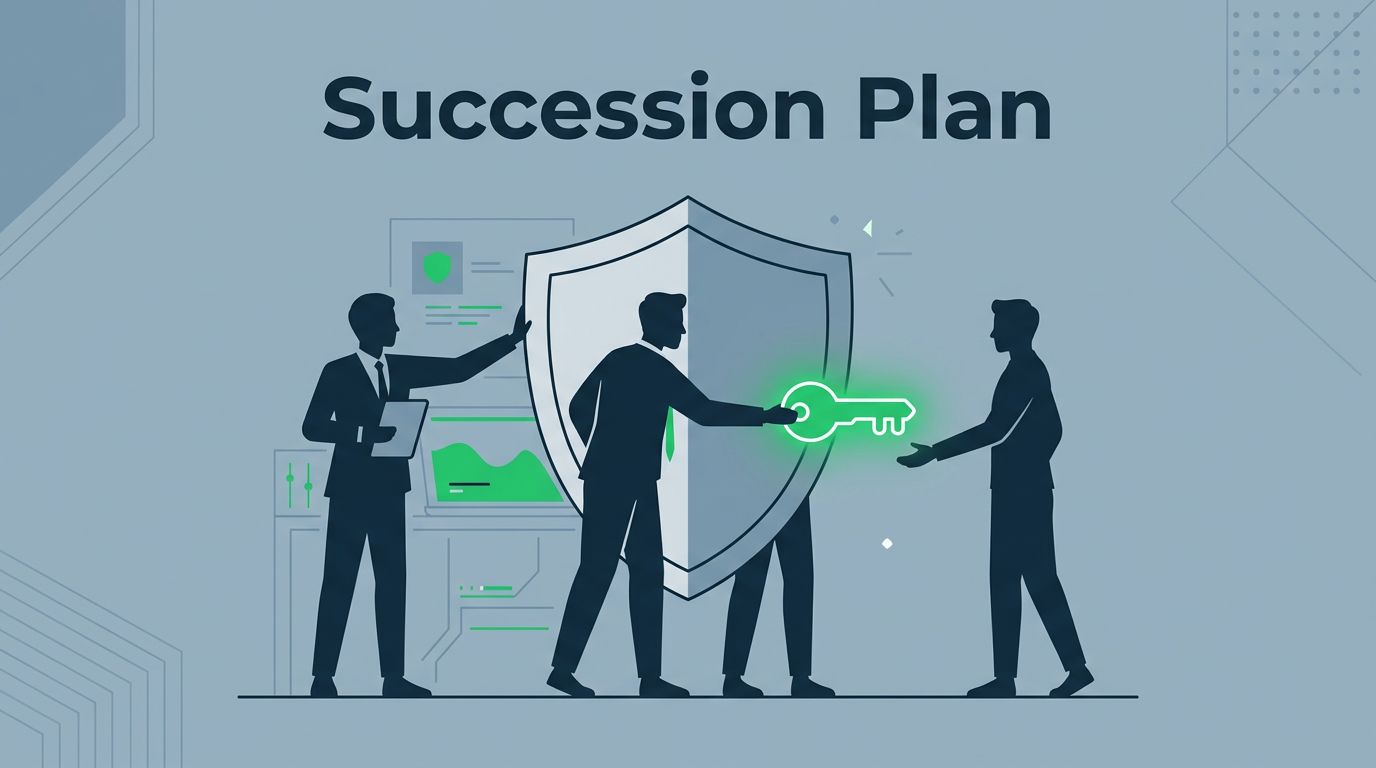
A strong security succession plan protects against that gap. It gives you a way to keep critical roles covered before turnover turns into a security event.
Most organizations wait until someone resigns. By then, the handoff is rushed and sloppy. A better plan treats succession as part of business continuity, incident response, and retention planning.
Start with the roles that create the most risk
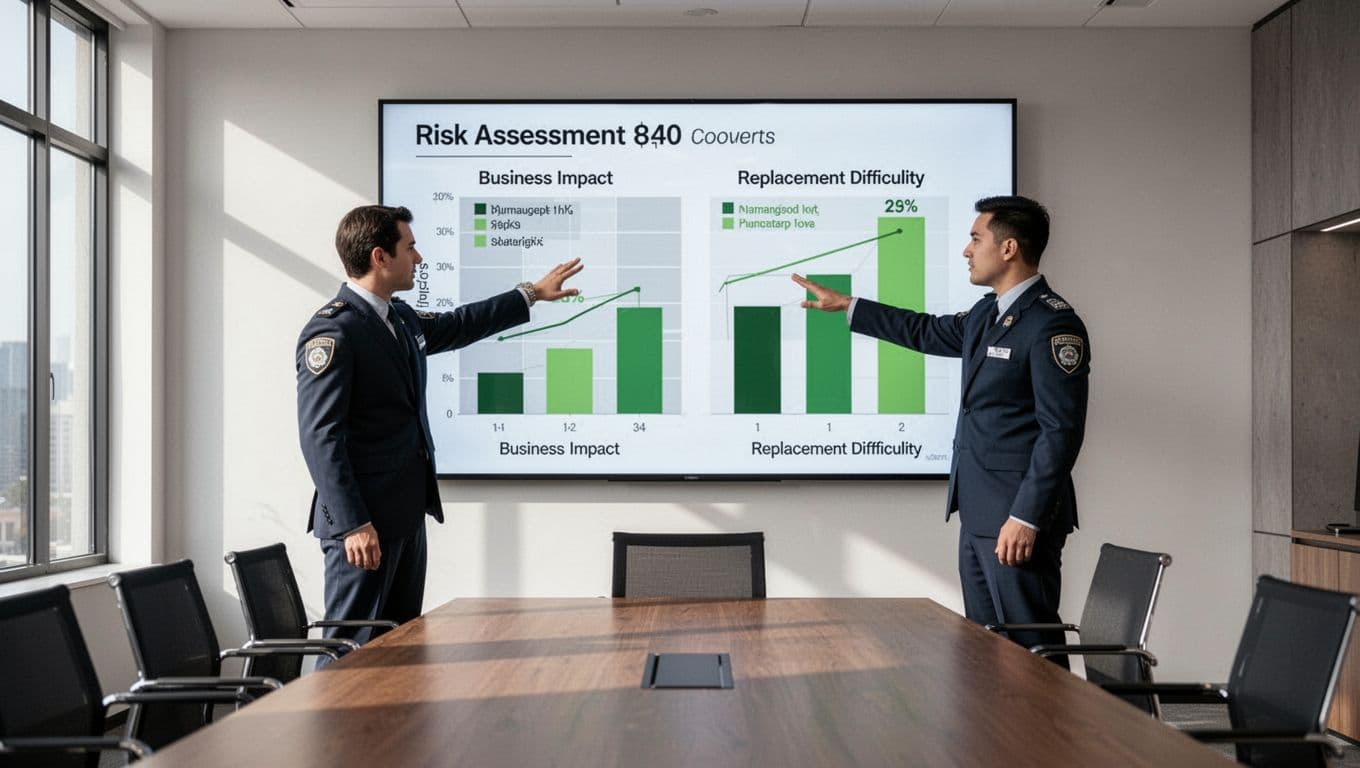
Not every role needs the same level of backup. Start by ranking security jobs by business impact and replacement difficulty. A CISO vacancy hurts the board relationship. An IAM lead vacancy can block access changes. An incident response lead vacancy can slow a live response.
This is where a risk view helps. TechTarget’s CISO succession planning best practices is a good reminder that leadership roles need coverage before they become urgent.
Use a simple matrix with two questions, how bad is the gap, and how hard is it to fill? Roles that score high on both should go first.
| Role | Why it matters | Backup owner |
|---|---|---|
| CISO | Board reporting, crisis calls, budget control | Deputy CISO or GRC lead |
| IAM/PAM lead | Access control and privileged rights | Identity engineer |
| Incident response lead | Breach coordination and containment | Senior IR analyst |
| Cloud security architect | Guardrails for production systems | Platform security engineer |
| AppSec lead | Secure release and code review flow | Senior appsec engineer |
That table gives you a starting point. It also shows a key point, your plan should cover both senior leaders and technical specialists.
Build readiness into each key role
A backup name on a spreadsheet is not enough. You need to know how ready that person is to step in. Use three labels, ready now, ready in 90 days, and ready in 6 to 12 months.
The goal is to make readiness visible. Proofpoint’s cybersecurity succession planning toolkit can help teams turn that idea into a repeatable process.
Check each candidate against four basics:
- They can cover the role for 30 days without help.
- They already have the right access and approval paths.
- They know the key vendors and business partners.
- They can explain the role to a senior leader.
If one of those is weak, the person is not ready yet. That does not mean they are the wrong choice. It means they need a development plan.
For small teams, keep the plan simple. One primary backup and one secondary backup may be enough. For larger enterprises, add region, function, or product-line coverage so one vacancy does not hit every team at once.
Turn knowledge transfer into a routine
The best succession plans fail when knowledge stays in one person’s head. Fix that by making transfer part of the job, not a side task.
Start with the work that only the incumbent knows. That includes vendor contacts, escalation paths, exception handling, and the short cuts people use during incidents. Then write it down in runbooks, decision logs, and short walkthroughs. IANS has a useful piece on transitioning security leadership smoothly, and it reinforces the value of documentation before turnover starts.
A good development plan usually includes three things. First, shadowing on live work. Second, monthly handoff sessions. Third, short scenario-based reviews after major changes or incidents.
A succession plan that lives in a folder is a document, not a control.
If your team is small and you have a hard-to-fill role, external help can shorten the gap. Book a Discovery Call with Bud Consulting if you need support with senior security hiring or retention planning.

Test the plan with drills and tabletop exercises
A succession plan should work under pressure. The best way to find weak spots is to test it before you need it. Sophos’s guide on how to run a cybersecurity tabletop exercise is a strong model for this kind of practice.
Use scenarios that matter to your business. For example, the CISO is out during a ransomware response. The IAM lead leaves during a privileged access review. The cloud architect is unavailable during a production outage. Each test should show who takes over, what decisions wait, and what breaks first.
If the exercise gets stuck, that is useful data. It means your plan still depends on one person or one system. Fix the gap, then run the drill again.
This step also supports incident response resilience. A team that can replace key decision-makers during a crisis is easier to manage during any disruption.
Keep the plan current without adding busywork
Succession planning fails when it becomes stale. Review it on a set schedule, and update it after promotions, departures, re-orgs, or major platform changes. A quarterly review works well for most enterprises. Smaller teams can do monthly checks and keep the document short.
Tie the plan to retention planning too. People are easier to keep when they see a path to grow into the next role. That matters in security, where good talent is hard to replace.
For larger organizations, involve HR, risk, and business continuity teams. For smaller ones, keep the process lean and practical. One owner, one backup, one review date, and one drill is enough to start.
A security succession plan should do more than name a replacement. It should protect access, judgment, and memory when your best people move on. If your team can lose one key person and keep operating, the plan is doing its job.