table of contents
The global cybersecurity workforce sits at 5.5 million people. Yet a 4.8 million job gap persists in 2026. You face this shortage while attacks on AI tools and cloud systems surge.
Regulatory demands grow tougher. Third-party risks multiply. Your team must cover more ground with fewer skilled hands. This template helps you forecast needs, spot gaps, and build a plan that fits your budget.
Start with trends. Then audit your setup. Follow the core template to act now.
Key Trends Shaping 2026 Security Teams
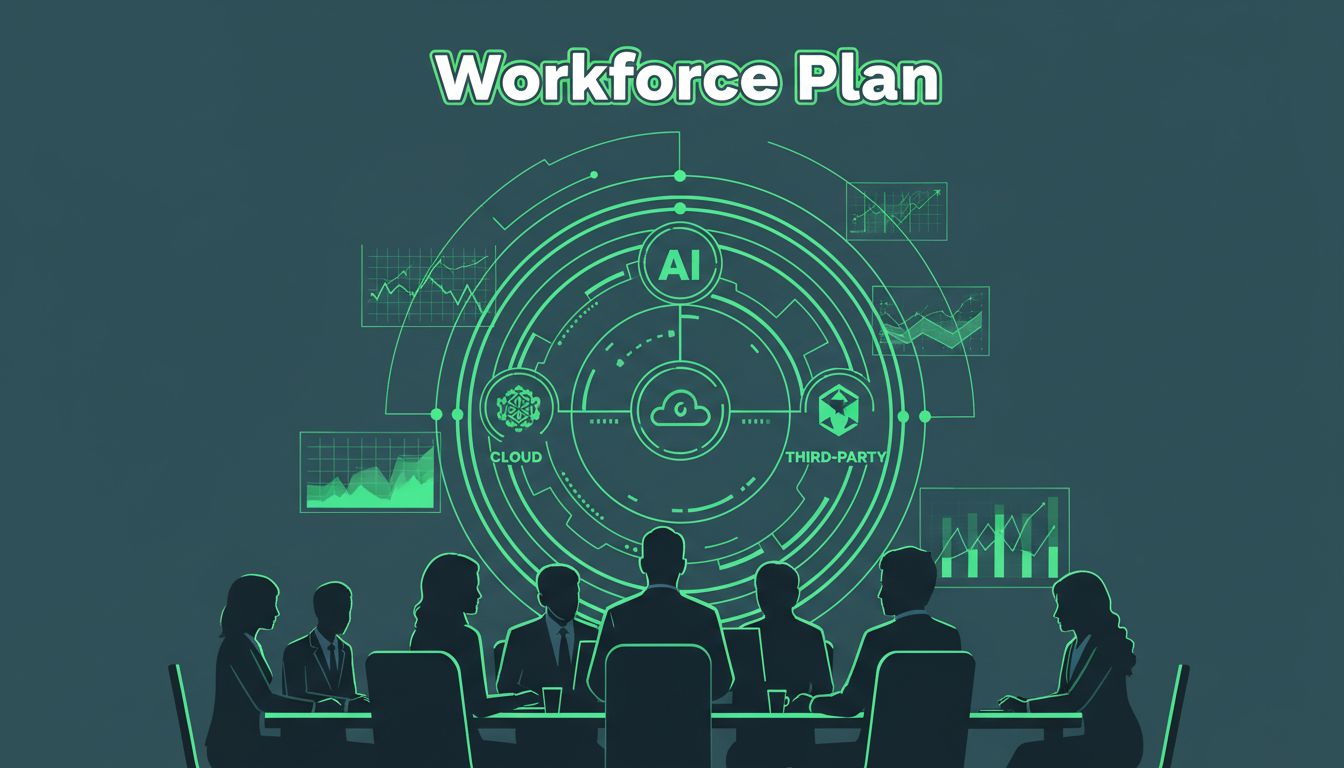
AI changes everything in cybersecurity. Attackers use it for deepfakes and fast ransomware. Defenders need skills to secure AI systems and automate responses. The SANS 2026 Cybersecurity Workforce Research Report shows 60% of teams lack these abilities. Breaches tie directly to this gap.
Cloud adoption hits record levels. Security engineers must handle IAM, containers, and APIs across AWS or Azure. Demand for these roles grows 346% faster than average. Third-party risks demand supply chain checks too. Vendors expose weak spots in 67% of incidents.
Talent shortages hit hardest in the US with 500,000 open jobs. Finance and tech lead the pain. Regulations force “qualified” hires. Training fills some voids. However, hands-on experience trumps certs.

Remote work expands attack surfaces. Zero-trust setups become standard. Gartner’s top cybersecurity trends for 2026 urge adaptive strategies. Focus on these shifts to prioritize hires.
Audit Your Current Team First
Know your baseline before planning. List all security roles and headcount. Note shift coverage for 24/7 SOC needs. Track incident volume over the last year. High alerts signal overload.
Measure asset coverage. Count endpoints, cloud instances, and apps under protection. Compliance scope matters too. List regs like GDPR or SEC rules. Tooling maturity rates your SIEM or EDR setup.
Skills gaps show in audits. Survey your team on AI threat detection or cloud configs. Compare against cybersecurity talent shortage stats for 2026. For example, a mid-size firm might cover 80% of assets but lack cloud experts for 20% in multi-cloud.
Output a simple matrix. Rows for roles; columns for coverage, skills, and risks. This reveals priorities. Small teams often skip this step. They regret it during audits.
The Core Cybersecurity Workforce Planning Template
Use this adaptable framework. It ties needs to metrics like incidents, assets, and budget. Fill it quarterly. Adjust for growth.
Here’s the template in table form. Customize rows for your setup.
| Section | Key Fields | Sample Entry (Mid-Size Org) |
|---|---|---|
| Current Team | Roles, Headcount, Shifts | SOC Analysts (4 FTE, 24/7), Cloud Engineer (1 FTE, day shift) |
| Demand Drivers | Assets, Incidents/Year, Compliance | 5K endpoints, 2K incidents, NIST + GDPR |
| Required Roles | Count Needed, Timeline | AI Threat Analyst (2, Q3 2026), Security Engineer (3, Q2) |
| Skills Gaps | Priority Skills, Training Plan | AI/ML Security (High, Certs by June), Third-Party Risk (Med, Vendor audits) |
| Hiring Plan | Sources, Cost/Role | Recruiters + Bud Consulting, $150K avg |
| Budget | Total, Per Role % | $2M (40% salaries, 30% tools) |
| Metrics | Coverage %, Response Time | 95% assets, <15 min MTTR |
This setup ensures balance. For instance, base roles on incident volume: one analyst per 500 alerts. Budget constraints cap hires. Track progress monthly.

Plug in your numbers. It scales easily.
Scale the Template by Organization Size
Small orgs (under 500 employees) focus basics. Aim for 3-5 roles: one SOC lead, generalists for cloud and incidents. Cover essentials with part-time or MSP help. Example: Prioritize one cloud security role for AWS migration.
Mid-size firms (500-5K) need specialists. Add AI analysts and third-party managers. Plan 10-20 FTE. Use the template to justify two engineers against 1,000 incidents yearly.
Enterprises go deep. Target 50+ roles with shifts and redundancy. Emphasize security architects for multi-cloud. What hiring managers seek in cybersecurity pros for 2026 stresses real AI experience here.
All sizes measure the same: asset coverage over 90%, MTTR under 30 minutes. Adjust timelines. Small teams hire in waves; big ones pipeline constantly.
Budget and Track for Long-Term Wins
Tie plans to dollars. Allocate 40-60% to salaries. Factor tools at 20-30%. Training gets 10%. Constraints force choices, like upskilling over new hires.
Set KPIs upfront. Track fill rates, gap closure, and breach costs avoided. Review quarterly. If incidents rise 20%, add roles fast.
Partners help. Book a Discovery Call with Bud Consulting to source cloud architects or CISOs. They vet talent quickly.
This approach cuts risks. It builds teams that match 2026 realities.
That 4.8 million gap won’t close alone. Your plan positions you ahead. Act on the template today. Strong teams handle AI threats and cloud shifts with confidence.