table of contents
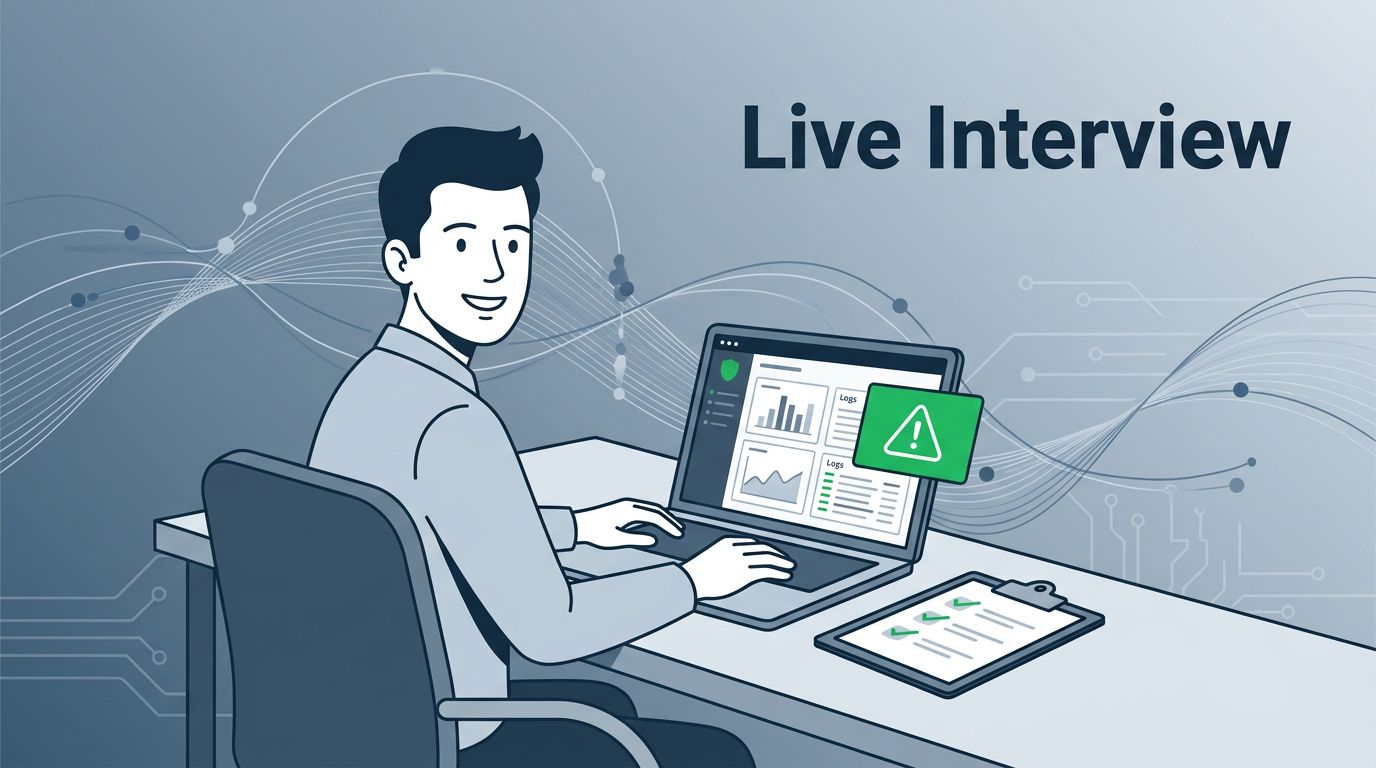
A security live interview should reveal how a candidate thinks under pressure, not how well they memorize answers. The best version feels close to the job, but safe enough that no one is asked to solve your real problems for free.
That balance matters. If the task is too vague, you learn little. If it’s too close to live operations, you risk bias, burnout, and a poor candidate experience.
Start with the skill you want to see
Before you write a task, name the behavior you want to observe. Do you want to see triage speed, threat judgment, code review habits, or communication under pressure? That choice should shape the whole session.
A strong live-work exercise uses a small, realistic artifact. That might be a SIEM alert, a firewall rule change, a short code sample, or an incident timeline. It should feel familiar to the role, but it should stay bounded.
For interview structure, it helps to pair the task with a short behavioral check. If you want a refresher on structured answers, STAR method examples for cybersecurity interviews can help you frame the discussion after the exercise.
A live task should show how someone works, not whether they can guess what you want.
Build tasks that mirror the real job

SOC analyst
Give the candidate a small set of alerts from a mock SIEM. Ask them to rank the alerts, explain what they would investigate first, and describe when they would escalate. Good candidates talk through signal, noise, and next steps. They do not chase every alert with equal energy.
Security engineer
Use a diagram, a config snippet, or a change request. Ask the candidate to spot risk, propose a safer design, or explain how they would test the fix. This works well for cloud security, IAM, and network roles. It also shows whether they think in systems, not just tools.
Incident responder
Present a short incident timeline with logs, endpoint clues, and one unclear variable. Ask for containment steps, evidence handling, and communication priorities. For more scenario ideas, hands-on incident scenarios show the kind of evidence-based thinking you want.
Application security engineer
Share a small code sample, an API flow, or a pull request diff. Ask the candidate to find likely flaws, explain risk, and suggest a fix that a developer could use. Keep the sample realistic and self-contained. Never ask them to review your production app or find unpaid bugs in your stack.
For tabletop-style incident design, Unit 42 tabletop exercise services is a useful model for how to keep scenarios realistic without turning them into live fire.
Use a clear interview flow
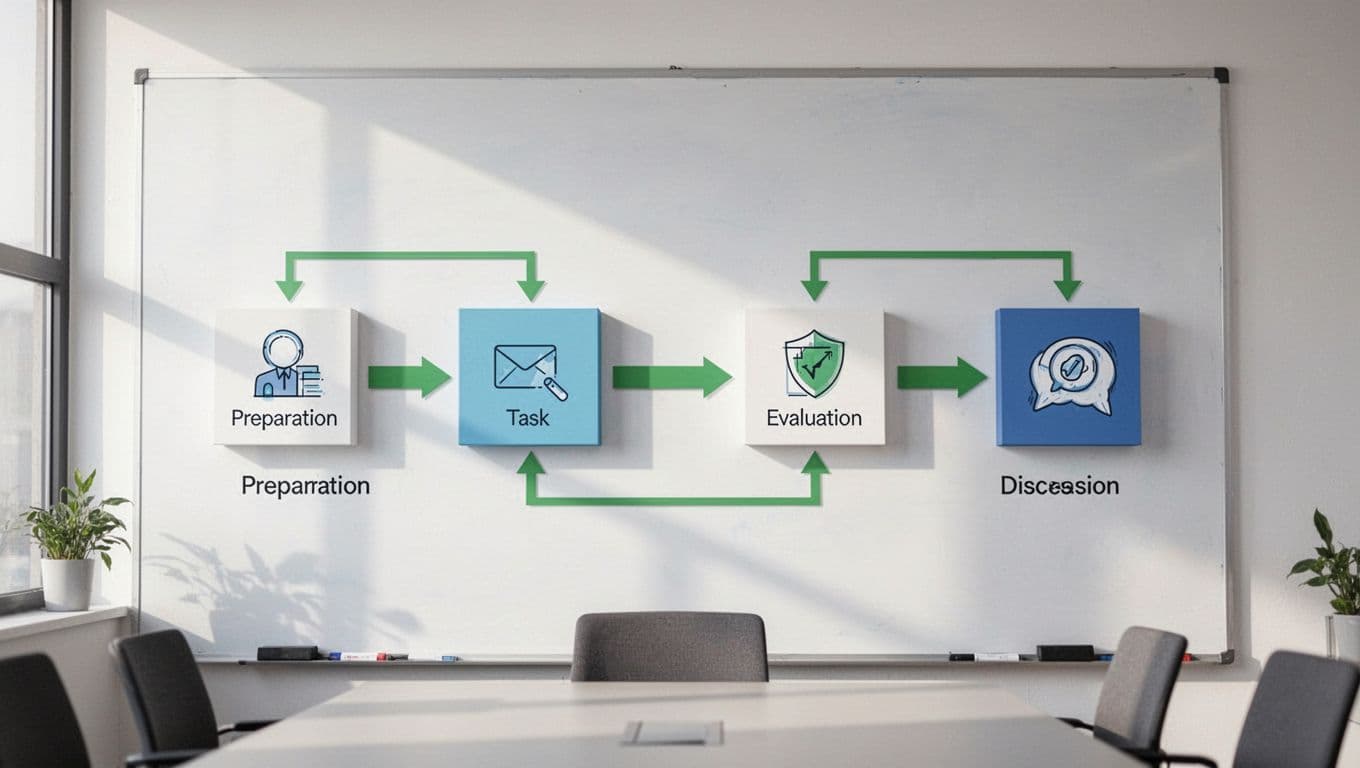
A repeatable flow keeps the interview fair. It also helps interviewers compare candidates without drifting into gut feel.
- Set expectations first. Tell the candidate the goal, the time box, and what tools they can use.
- Give the task and context. Share only what they need to start. Keep the prompt short.
- Let them think out loud. Silence can be useful. Good candidates often organize themselves before speaking.
- Ask follow-up questions. Focus on tradeoffs, not trivia.
- End with a debrief. Ask what they would do next, what they would want from the team, and what risks they still see.
A simple live-work interview should feel like a working session with clear edges. For general interview prep habits, Help Net Security’s cybersecurity job interview tips also reinforce the value of preparation and calm communication.
Score the session the same way every time
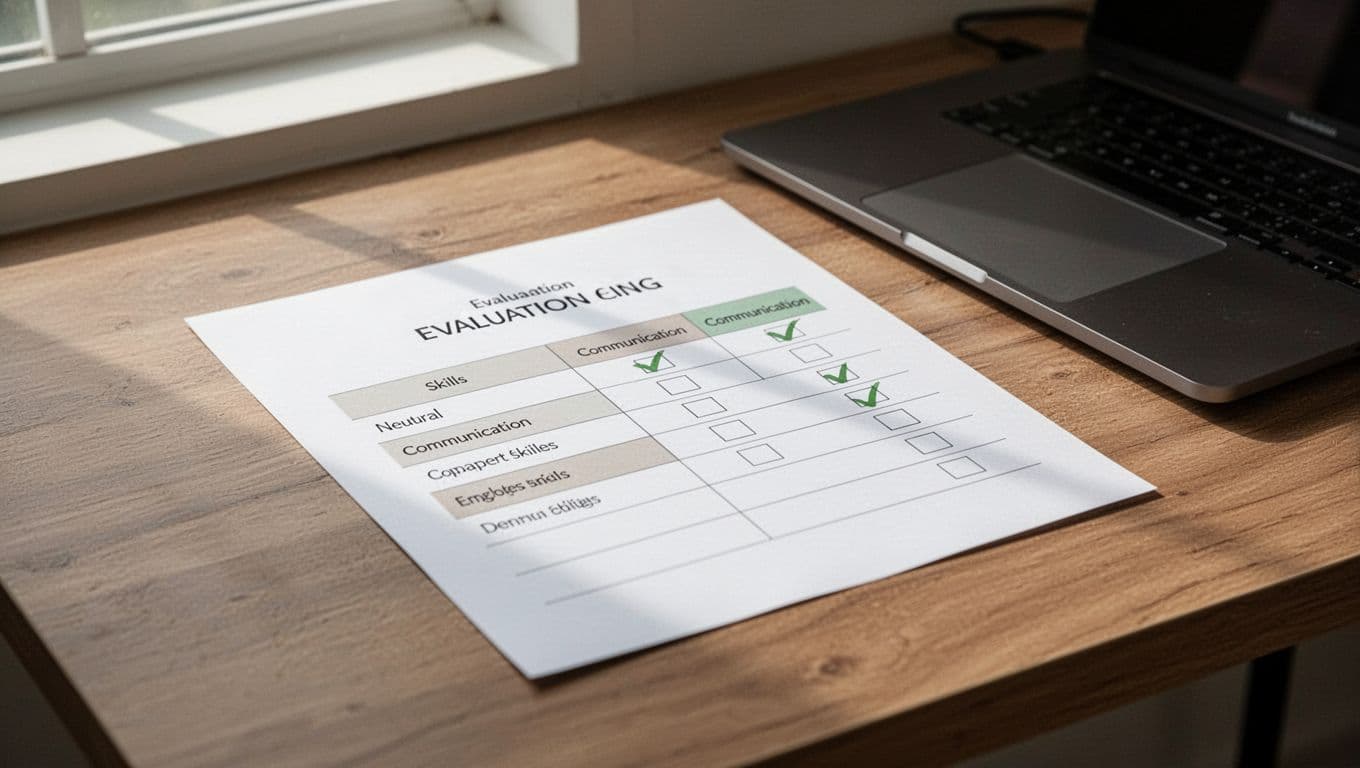
A scorecard keeps the process honest. Without one, the loudest opinion in the room often wins.
| Criterion | What to look for | Score 1-5 |
|---|---|---|
| Technical judgment | Chooses safe, practical steps and spots risk | 1 = weak, 5 = strong |
| Problem solving | Breaks the task into a clear order | 1 = weak, 5 = strong |
| Communication | Explains decisions in plain language | 1 = weak, 5 = strong |
| Role fit | Shows skills that match the job level | 1 = weak, 5 = strong |
Use the same scorecard for every candidate in the same role. That makes review easier and reduces noise from style or confidence. It also helps you defend the decision later.
Keep the process fair for candidates
Fairness starts with boundaries. Use sanitized data, sample code, or mock logs. Don’t base the exercise on a live production issue or a problem your team hasn’t solved yet.
Give candidates enough time to understand the task. If the role allows it, let them ask clarifying questions. That matters because real security work always includes ambiguity, but good work also includes support.
You should also avoid scoring people on tools they have never used. A strong candidate can still show judgment, even if they spell out a different workflow. Consistency matters more than platform familiarity.
A good interview leaves the candidate with a clear sense of the role and the team. It should feel rigorous, but not adversarial. That balance is what turns a live-work exercise into a useful hiring tool.
If you want help designing a fair process for senior security hiring, Book a Discovery Call with Bud Consulting.
A strong security live interview gives you evidence, not guesswork. When the task is realistic, the flow is repeatable, and the scorecard is clear, you make better hiring calls and give candidates a fair shot.