table of contents
How to Hire a Security Engineer for M&A Projects
An M&A security engineer can protect a deal, or miss the risks that show up after close. The difference comes down to speed, judgment, and how well the person can work with incomplete facts.
When timelines are tight, you don’t have room for broad cyber theory. You need someone who can read a partial data room, spot identity and vendor risk, and turn findings into clear next steps for the deal team.
That makes security engineer hiring for M&A projects different from hiring for a steady-state team. The right person works across diligence, Day 1 readiness, TSA planning, integration or separation, and post-close cleanup without slowing the transaction.
Why M&A security work needs a different hire
M&A work moves fast, but the target environment rarely arrives neatly packaged. You may get spotty diagrams, stale asset lists, and polite answers that hide real tech debt. A good security engineer has to work with that reality.
They also need to think in phases. Pre-close, they help with diligence and risk ranking. On Day 1, they focus on access, logging, and key controls. After close, they help turn findings into remediation plans that people can actually execute.
The work is also cross-functional. Legal cares about exposure, IT cares about access, and deal leaders care about timing. A strong hire can speak to all three without losing the thread.
For a useful framing, see M&A security due diligence and integration, which ties target risk to deal terms, integration planning, and post-close work.
The best candidate can turn a messy target into a short list of risks the deal team can act on.
Must-have qualifications for an M&A security engineer
Look for depth in the systems that create deal risk, not just general security experience. A strong candidate can move from cloud posture to IAM cleanup to post-close remediation without needing a map for every step.

A practical baseline looks like this:
- They have worked on at least one acquisition, carve-out, or divestiture.
- They understand IAM, PAM, and privileged access cleanup well.
- They can review cloud, SaaS, and endpoint controls without slowing down.
- They know how to write a remediation plan with owners, dates, and dependencies.
- They can explain risk to executives in plain language.
In 2026, AI security awareness and Zero Trust knowledge are useful too, but they should sit on top of real deal experience. If a candidate only knows frameworks, they may struggle when the data room is thin and the clock is ticking.
The strongest hires also understand how Day 1 readiness works in practice. They know which gaps can wait, which ones can’t, and how to avoid surprises when the buyer takes control.
Interview questions that reveal real M&A skill
A recent M&A security playbook from due diligence to penetration testing shows why the best interviews test process, not memory. You want answers that show judgment under pressure.

Use questions that force the candidate to think like a deal partner:
- How do you assess a target when the data room is thin? Good answers mention evidence gaps, follow-up requests, and risk ranking.
- Which findings would change deal terms? Look for clear thinking around IAM exposure, data sensitivity, and third-party risk.
- What do you want ready for Day 1? Strong answers cover access, logging, privileged accounts, and incident response contacts.
- How do you handle a TSA that keeps old services live? The candidate should talk about boundaries, deadlines, and control ownership.
- What does your first 30 days after close look like? You want a real remediation plan, not a generic audit.
A weak candidate talks in broad terms. A strong one names the control, the owner, and the next move.
Build an evaluation scorecard that matches deal risk
A scorecard keeps the search honest. It also helps deal leaders compare candidates who have very different backgrounds.
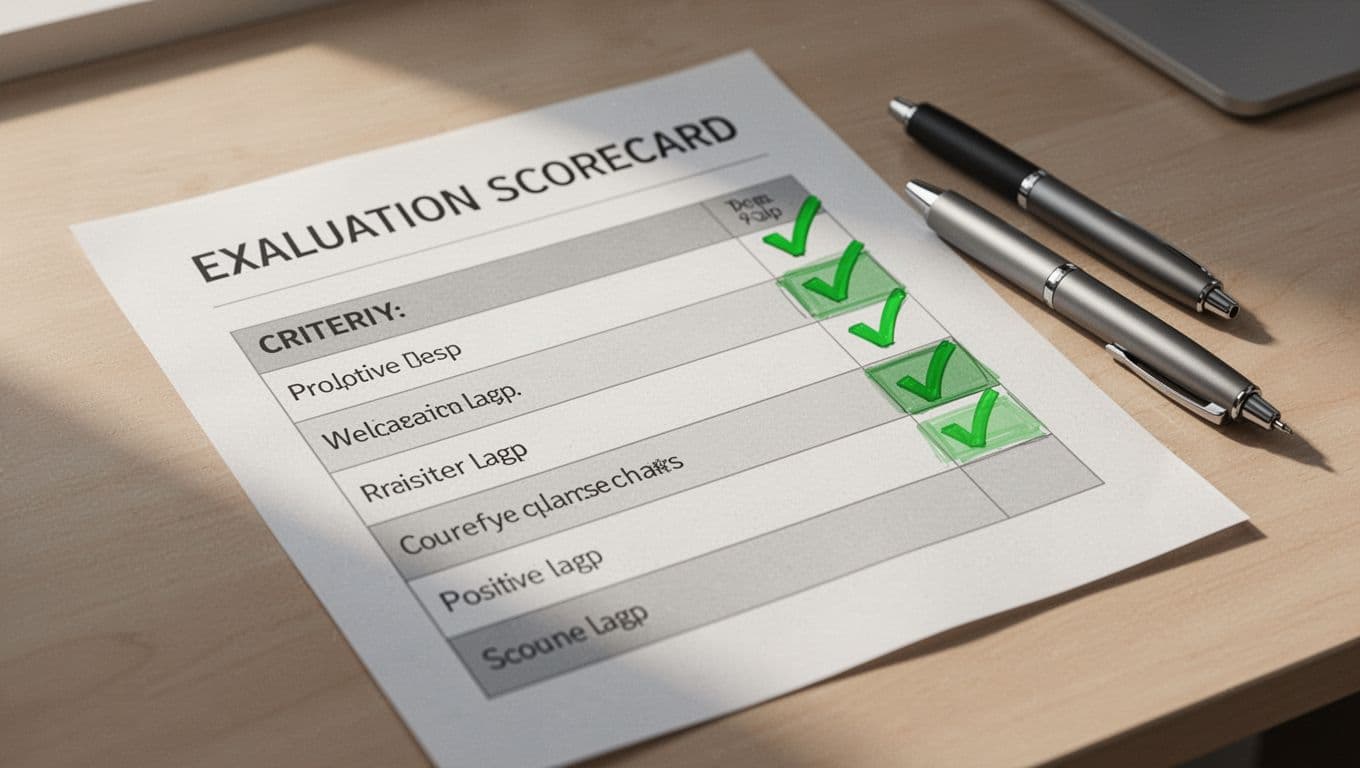
Use a simple scorecard with deal-specific criteria, not a generic security interview sheet.
| Criterion | Strong signal | Red flag |
|---|---|---|
| M&A experience | Has supported diligence, integration, or separation work | Talks only about steady-state security |
| IAM and PAM depth | Knows privileged access cleanup and account hygiene | Focuses only on endpoint tools |
| Day 1 readiness | Can map access, logging, and critical controls fast | Gives vague hardening advice |
| Communication | Writes clear risk summaries for legal and executives | Leans on jargon |
| TSA and vendor risk | Spots transition gaps and outside dependencies | Ignores third-party access |
If two candidates tie, pick the one who has handled the same type of transaction before. In M&A, speed matters, but judgment matters more.
Common hiring mistakes in M&A deals
The biggest mistake is hiring a strong generalist and hoping deal work will come naturally. It usually doesn’t. M&A security needs people who can move from evidence to action fast.
Another common miss is underweighting identity risk. Shared admin accounts, stale access, and bad privilege cleanup can cause more pain than a flashy cloud finding.
Teams also overvalue certifications and underweight real transaction work. A certificate can support the case, but it won’t show whether someone can handle a compressed diligence window.
Timing matters too. Waiting until close to start the search leaves no room for onboarding or gap analysis. Some teams need a contractor for the deal, then a full-time hire for the long run.
When the timeline is tight, Book a Discovery Call with Bud Consulting to pressure-test the search before the deal clock runs out.
Security engineer hiring for M&A projects works best when the role matches the deal, not a generic org chart. The right hire brings speed, technical depth, and enough business sense to keep the transaction moving.
That person helps the team get through Day 1 cleanly, manage TSA risk, and finish the post-close backlog without losing control. In M&A, that is the difference between a filled seat and a security function that can carry the deal home.