table of contents
Security hiring gets difficult when one job description tries to cover product, cloud, audits, and incident response at once. That mix confuses candidates and slows down hiring.
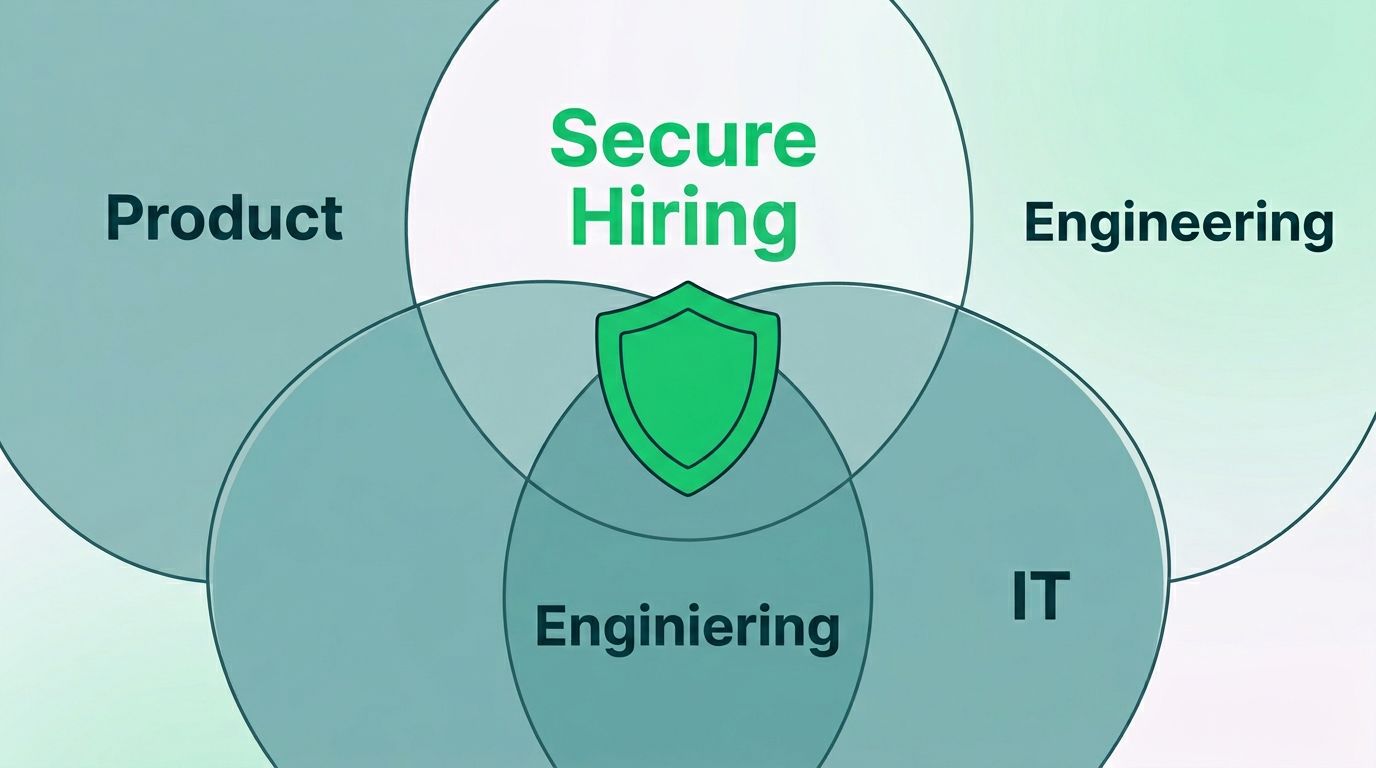
The stronger approach is clearer. Define the risk, name the lane, then hire for the exact work the role will own. That matters even more now, since hiring stays skills-first and cross-functional teams need people who can work across product, engineering, and IT without losing depth. For a wider view of current hiring signals, ISC2’s cybersecurity hiring trends study is a useful reference.
Start with the business problem, not the title
A cross-functional security role should solve a real gap. Is the company shipping faster than security can review? Is cloud access too loose? Are audits taking over the team? Or are alerts piling up with no clear owner?
The answer shapes the role. A product-led company usually needs security close to design and delivery. An IT-heavy company may need stronger identity, endpoint, and cloud control. A regulated business often needs more GRC support. Security leaders who separate those needs avoid the common trap of writing one broad role for three different jobs.
If the job description sounds like three jobs in one, it will attract the wrong candidates.
That’s why the scope should start with outcomes. For example, “reduce release risk in the product pipeline” is clearer than “support the security team.”
Separate the four role families before you post the job
The biggest hiring mistake is treating every security need as the same role. These four families often overlap, but they need different skill sets and interview tests.
| Role family | Core scope | What strong candidates usually show |
|---|---|---|
| Application or product security | Secure design reviews, threat modeling, code and API testing, secure SDLC, AI product risk | They can talk to developers in plain language and automate checks |
| Cloud or infrastructure security | IAM, cloud posture, landing zones, container security, pipeline controls | They know cloud patterns, least privilege, and policy-as-code |
| GRC | Risk, policy, control mapping, evidence, audits, vendor reviews | They write clean controls and keep stakeholders aligned |
| Security operations | Detection, response, SIEM, EDR/XDR, threat intel, incident handling | They can tune noise, investigate fast, and coordinate action |
That split matters in real hiring. A Senior Product Manager, AppSec role, for example, sits close to roadmap and developer experience. A cloud security hire needs different judgment. So does a SecOps lead who lives in alerts and response windows.
For more on how adjacent disciplines differ, application security vs cloud security is a helpful comparison.

A current AI security and product security role shows how broad these scopes can get. It spans web, mobile, API, cloud, infrastructure, and AI-specific threats. That kind of posting works only when the company truly needs that range.
Use interview tests that match the work
Security hiring improves fast when interviews feel like the job. A resume can show keywords, but it won’t show how someone thinks under pressure.
For product and application security, ask how the candidate would handle an API release with a known flaw. For cloud security, ask how they would close risky IAM access across multiple accounts. For GRC, ask how they would map one control across several frameworks. For SecOps, ask how they would cut alert noise without missing real incidents.
A simple scorecard helps here:
- Technical depth: Can they explain the control, tradeoff, or attack path?
- Cross-team communication: Can they work with non-security partners without friction?
- Prioritization: Can they decide what gets fixed now and what waits?
- Business sense: Can they tie the work to release speed, audit needs, or risk reduction?
Use practical exercises, not trivia. A threat-model review or mock incident debrief tells you far more than a quiz on acronyms. As one useful rule, candidates should be able to explain risk in plain language, then switch back to detail when needed.

Get HR, product, engineering, and IT aligned early
Most hiring delays come from misaligned stakeholders, not from a thin talent pool. HR wants a clear level. Product wants someone who won’t slow launches. Engineering wants technical credibility. IT wants access and support needs defined. Security wants risk reduced. All of those can be true, but only if the scope is written well.
Before the role goes live, align on three things:
- What the person owns: one lane, not every security task.
- What success looks like in 90 days: fewer gaps, better controls, faster reviews, cleaner evidence.
- Where the role sits: inside product, IT, security, or a shared model.
That last point matters a lot. A security product manager, a cloud security engineer, and a GRC lead need different reporting lines and different interview panels. If the team still can’t define the lane, a focused hiring partner can save weeks. In that case, Book a Discovery Call with Bud Consulting fits naturally into the process.
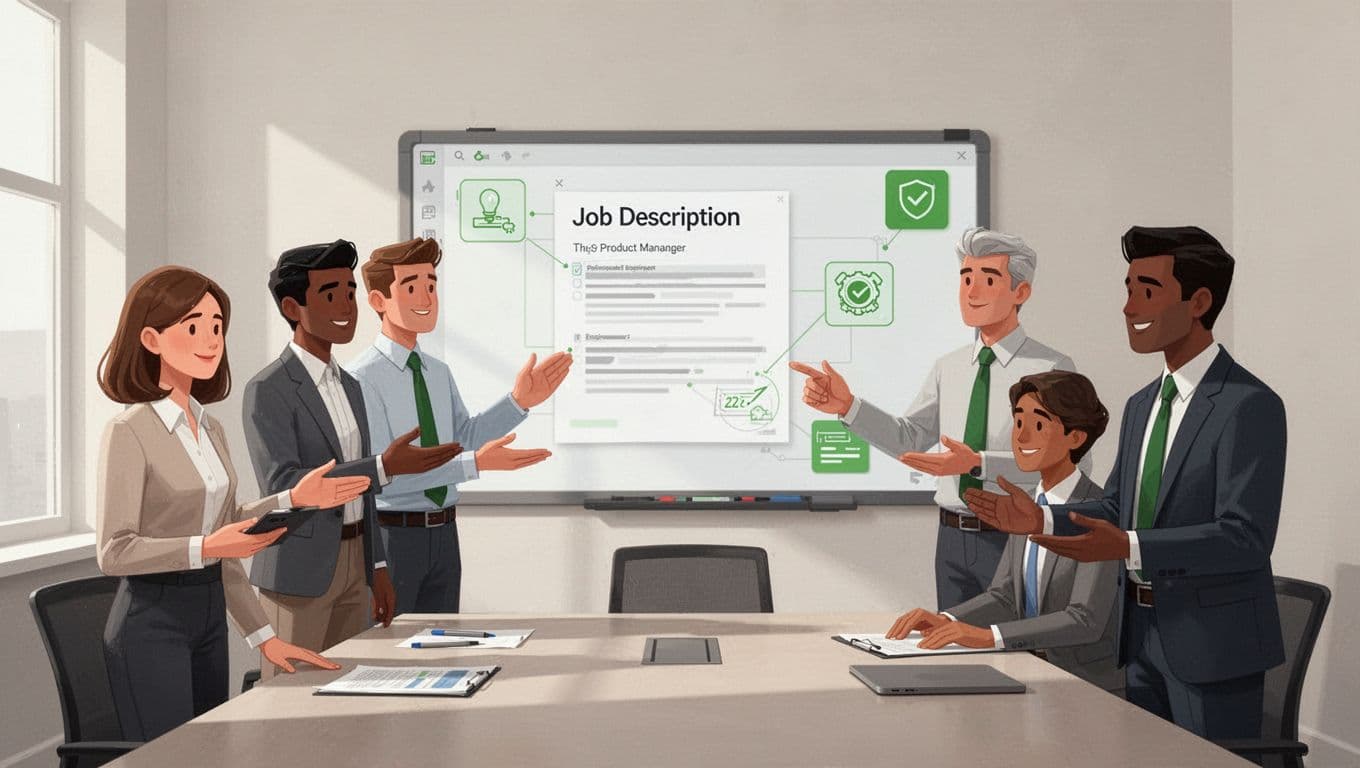
Security hiring works best when the role matches the problem. A good product security hire protects releases. A strong cloud security hire closes exposure in the stack. A sharp GRC hire keeps controls usable. A solid SecOps hire helps the team see and respond faster.
When those lanes stay clear, the whole organization moves better. That’s the real payoff of security hiring done well.