table of contents
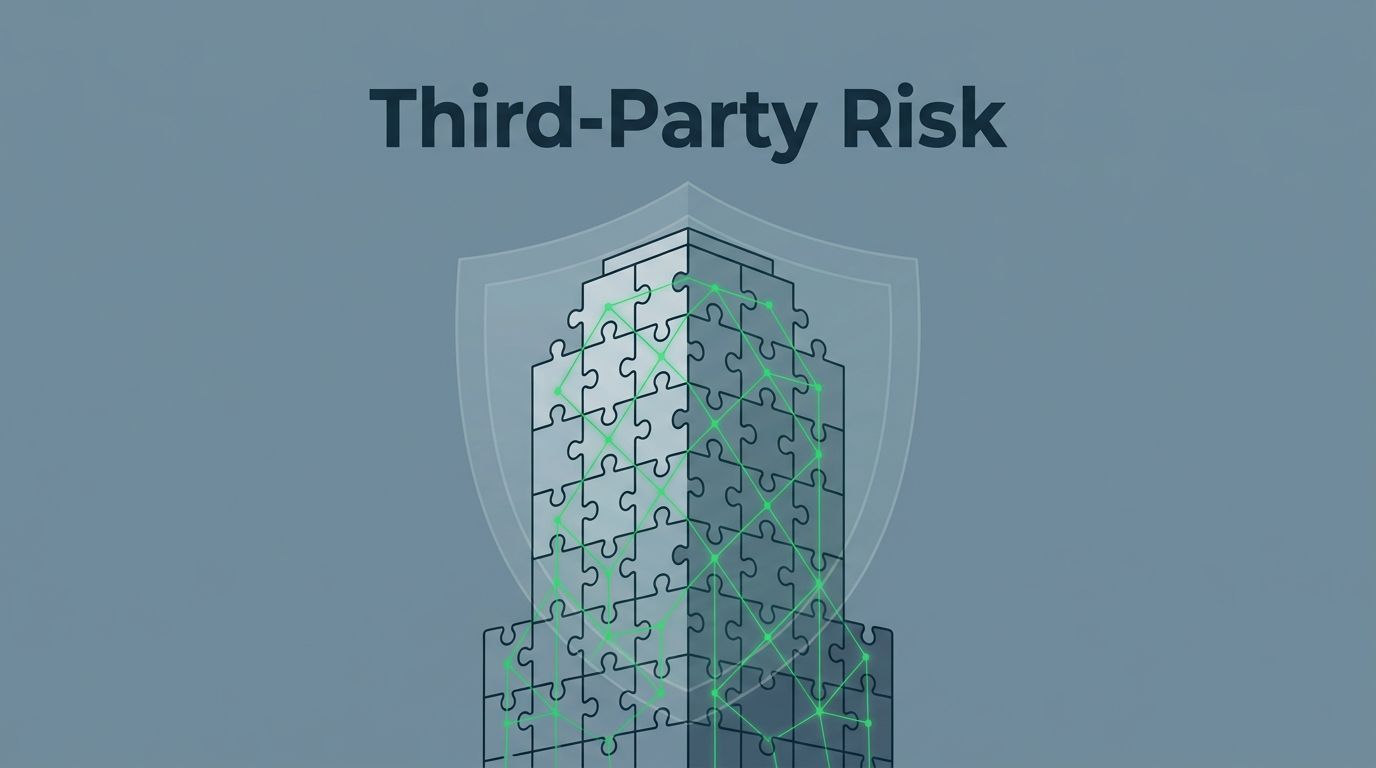
Supply chain attacks reached record levels last year. Hackers breached 136 major third-party vendors. Those incidents hit 719 named companies and thousands more. Your organization likely faces similar threats in 2026.
You rely on vendors for cloud services, AI tools, and SaaS platforms. One weak link exposes your data. Regulations like the FCC’s January rules and SEC mandates demand better vendor oversight. Security hiring becomes essential to handle this pressure.
This guide shows you how to build a team focused on third-party risks. You’ll get practical steps tied to real-world needs.
Map Out Your Third-Party Risk Exposure First
Start by listing all vendors. Note which ones hold sensitive data or connect to your network. High-risk ones include AI providers and cloud hosts. They often create concentration risk if too many paths lead back to the same supplier.
In 2026, ransomware strikes through vendors in 30% of breaches. Deepfakes fool staff into bad decisions. CI/CD pipelines let attackers inject malware. Manufacturing sectors see cascading failures from shared platforms.
Assess sub-vendors too. Many firms overlook them. Use frameworks like NIST SP 800-161 for guidance. Tools for cloud security posture management (CSPM) help spot flaws.
Prioritize vendors by impact. A single outage in AWS or Cloudflare disrupts everyone. Ongoing checks beat annual reviews. This mapping guides your security hiring decisions.
Key Roles to Prioritize Right Now
Focus hires on roles that tackle vendor due diligence and monitoring. A Third-Party Risk Manager tops the list. This person runs assessments and tracks compliance.
Next, hire a Supply Chain Security Analyst. They dig into open-source risks and pipeline vulnerabilities. Open-source malware rose 73% last year.
Add a Vendor Compliance Specialist for regulatory work. DORA in the EU and CCPA push financial firms to test software upfront.

Teams like these collaborate on dashboards. They flag concentration risks in supply chains. For job ideas, check LinkedIn listings for Third Party Risk Management Leads. Roles at firms like Deloitte highlight supply chain focus.
Start with two to three hires if your vendor list exceeds 50. They handle the heavy lifting while you scale.
Competencies That Matter Most for These Hires
Look for hands-on experience with vendor questionnaires. Candidates should know how to score risks using AI-driven tools. Manual checks fall short in fast-moving threats.
Seek proof of continuous monitoring setups. They must handle dark web scans for leaked credentials. Over half of vendors have critical flaws; 25% expose passwords.
AI oversight skills stand out. Tech vendors process your data in unpredictable ways. Hires need to evaluate those platforms.
Experience with regulations helps too. SEC rules require cyber strategies that cover vendors. However, prioritize practical builders over pure compliance experts.
Test for automation knowledge. Top candidates integrate tools like UpGuard for ratings. See UpGuard’s TPRM best practices for aligned skills.
These traits ensure your team manages real risks, not just paperwork.
Smart Interview Questions to Spot Top Talent
Ask about a past vendor breach response. Did they isolate it quickly? What metrics tracked recovery?
Probe concentration risk handling. “How do you spot over-reliance on one supplier?” Good answers mention diversification and alternatives.
Test monitoring depth. “Walk me through setting up alerts for fourth-party risks.” Listen for automation and API integrations.
Use scenarios from 2026 threats. “A vendor’s CI/CD pipeline got hacked. How do you respond?” Expect steps like revoking access and validating fixes.
Role-play deepfake incidents. They should stress training and verification protocols.
Finally, gauge scaling ability. “How would you build monitoring for 200 vendors?” Look for phased plans with metrics.
These questions reveal fit for heavy third-party exposure.
Metrics to Justify Security Hiring to Leaders
Track vendor risk scores over time. Aim for a 20% drop in high-risk vendors quarterly. This shows direct impact.
Measure breach reductions tied to vendors. Fewer incidents mean ROI. World Economic Forum ranks supply chains high after ransomware.
Calculate cost savings. Automated monitoring cuts manual hours. One firm saved days per vendor assessment.
Report compliance rates. Hit 95% on SEC and DORA checks. Tie hires to these wins.
Use dashboards for visuals. Execs love seeing risk heat maps improve.
These numbers make security hiring a no-brainer.
Build Continuous Monitoring Into Your Team Structure
Hire for ongoing vigilance, not one-off audits. A Monitoring Specialist watches alerts daily. They use graphs for compliance trends.
Integrate AI for predictive analytics. It flags rising risks early.
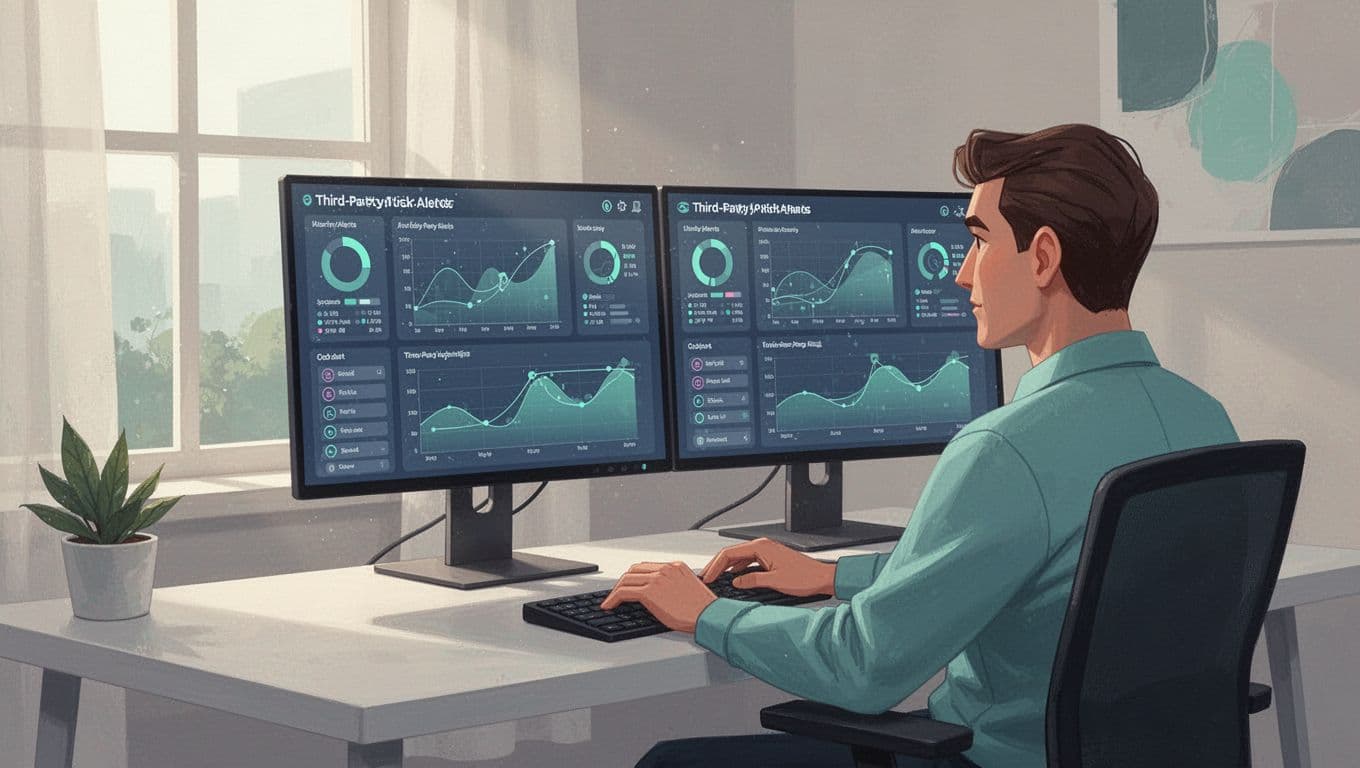
This setup catches issues like SaaS outages fast. Train the team on frameworks from Security Boulevard’s 2026 vendor practices.
Scale by cross-training. Everyone handles due diligence basics.
Your third-party risks demand this proactive approach.
Supply chain breaches won’t slow down. A targeted security hiring push protects you. Start with risk mapping and key roles. Metrics will prove the value.
Ready to fill these spots? Book a Discovery Call with Bud Consulting for vetted talent.