table of contents
Your distributed team faces threats around the clock. Time zones stretch across continents, so incidents do not wait for business hours. A security operations lead must bridge gaps that a colocated SOC leader never sees.
Hiring for remote setups differs from traditional offices. You need someone who owns detection engineering from afar, coordinates vendor patches across delays, and builds async incident response playbooks. In 2026, with AI-driven attacks rising, this role demands hands-on cloud skills and remote leadership grit.
This guide walks you through the process. You will learn to define roles, source candidates, interview smartly, and score them right.
Why Distributed SecOps Leads Differ from Colocated Ones
Colocated SOCs rely on quick huddles and shared screens. Distributed teams shift that model. Leads must prioritize documentation over hallway chats. They handle time-zone handoffs for 24/7 monitoring.
Async tools like Slack threads or Notion pages become core. A good lead writes clear runbooks so junior analysts in Manila pick up where Berlin left off. Poor docs lead to repeated mistakes during alerts.
Remote leadership tests trust-building. Leads foster it through video check-ins and shared KPIs, not casual lunches. They also manage vendor relationships solo, chasing SLAs without onsite nudges.
In 2026, cloud-native threats dominate. Leads secure AWS or Azure sprawls without physical access. They integrate SOAR platforms for automation, reducing human errors in split shifts.
Hiring the wrong fit costs big. Missteps amplify in silence. Focus on proven remote experience first.
Define Key Responsibilities for Distributed SecOps
Start with a clear job spec. Tailor it to remote realities. Ownership spans incident response, detection engineering, threat monitoring, vendor management, and cross-functional ties.
For incident response, expect leads to own triage across zones. They design playbooks for async escalation. Detection engineering means building rules in SIEM tools like Splunk or Elastic, tested globally.
Threat monitoring requires dashboard oversight. Leads spot anomalies in real time, using tools like Datadog for cloud logs. Vendor management involves auditing patches and negotiating contracts remotely.
Cross-functional coordination links SecOps to dev and ops. Leads embed security in CI/CD pipelines, aligning with product roadmaps.
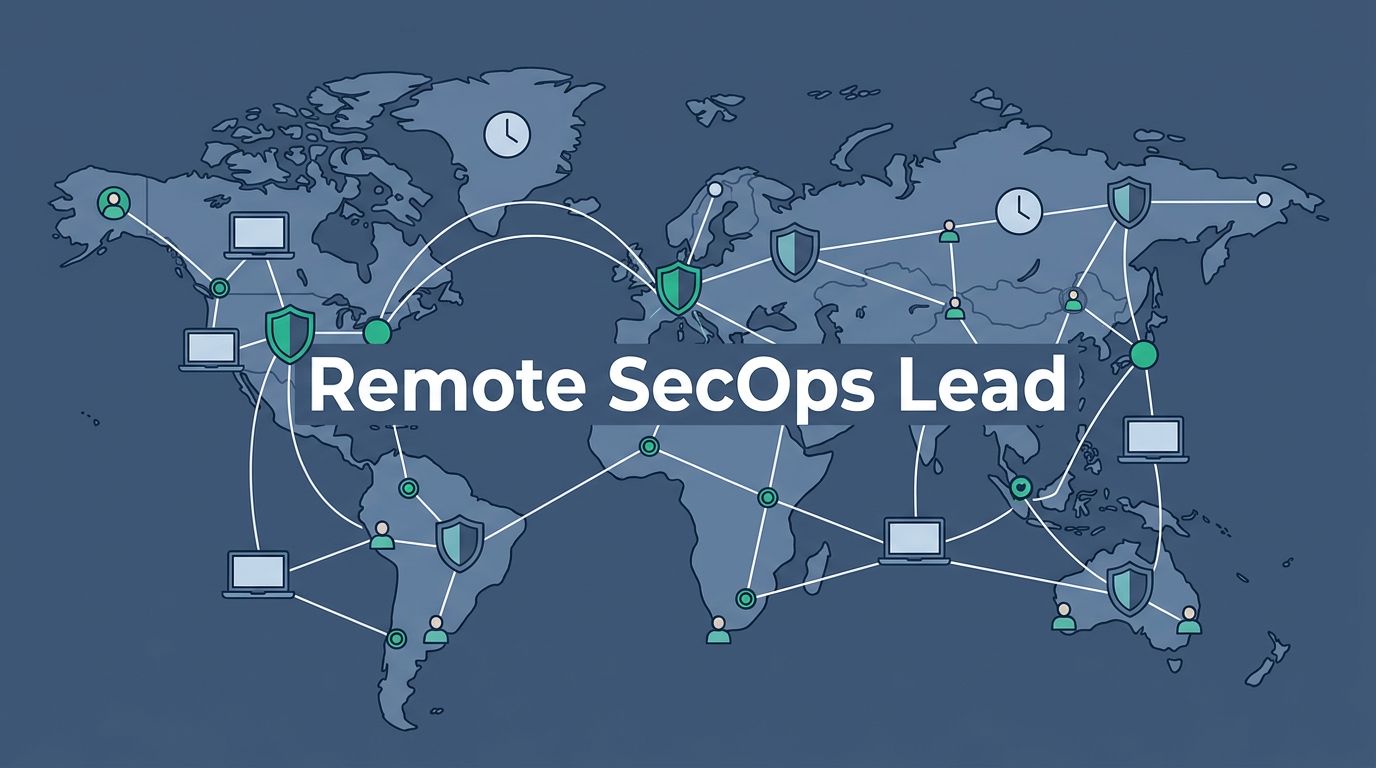
Here is a security operations lead coordinating threats remotely.
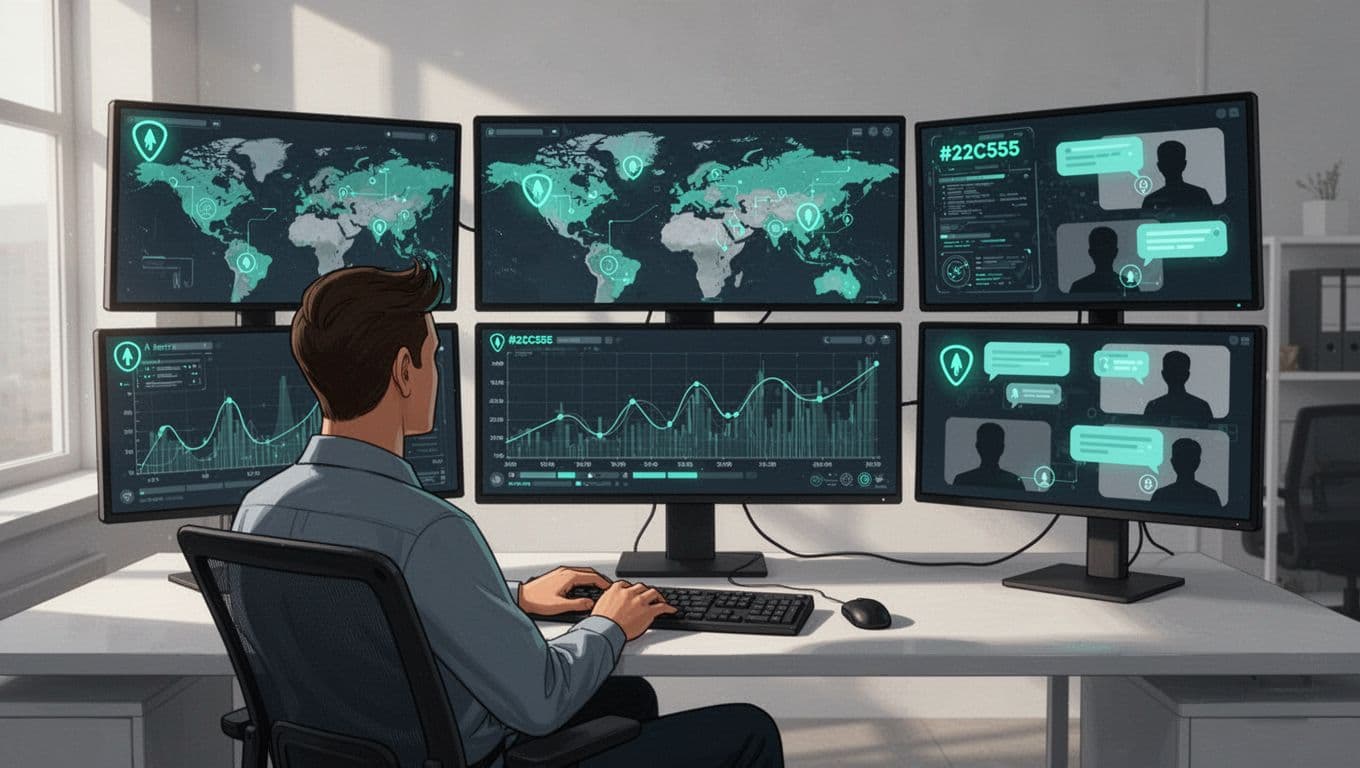
In 2026 trends, AI threats like prompt injection top lists. Leads must counter them with behavioral analytics. They also scale teams via automation, handling 4.8 million cyber job gaps worldwide.
List must-haves: time-zone coverage plans, async comm habits, and modern tooling like Cortex XSOAR. This setup scales defenses without central offices.
Source Security Operations Leads for Remote Roles in 2026
Talent pools expanded post-2020. Remote postings draw experts from anywhere. Check sites like iSecJobs for remote SecOps leads or Flexionis job boards.
Networks matter most. Post on LinkedIn with keywords like “distributed SOC lead.” Target alumni from remote-first firms like GitLab or Automattic.
In 2026, hands-on skills trump degrees. Employers want portfolios of detection rules or IR playbooks. AI hiring tools speed matches, but verify via take-homes.
Recruiters specialize here. Firms like GRIT Scouts seek regional SecOps heads. They vet for cloud and AI savvy.
Aim for candidates with 5+ years in distributed ops. Check GitHub for custom scripts. Budgets tighten, so prioritize quick wins like vulnerability triage.
Video intros filter fast. Ask for a 2-minute pitch on a past remote incident.
Ask the Right Interview Questions
Interviews reveal remote fit. Probe experience first. “Walk us through leading an incident across three time zones.” Listen for handoff details and tool choices.
Test detection skills. “How do you build a rule for AI prompt injection in our cloud env?” Good answers cite YARA or Sigma formats.
On leadership: “How do you build trust in a fully async team?” Seek examples of mentorship via Loom videos or shared docs.
Vendor angle: “Describe negotiating a delayed patch with a supplier remotely.” Results show persuasion without leverage.
Here is a remote interview in action.

For 2026 context, ask: “How do you automate SOAR for distributed monitoring?” Follow with behavioral probes like “Tell me about scaling SecOps amid budget cuts.”
End with culture fit. “What async habits keep your team aligned?” Strong leads emphasize over-communication.
Run Assessments and Score with a Sample Card
Assessments prove skills. Give a 4-hour take-home: Analyze a mock cloud alert log, write a response plan, and suggest detections. Time it for evenings to test async work.
Live sims work too. Use platforms like TryHackMe for IR scenarios. Observe remote collab via shared screens.
Score candidates objectively. Use this table for structure:
| Category | Weight | Criteria Example | Score (1-5) |
|---|---|---|---|
| Remote Leadership | 25% | Time-zone handoffs, async docs | |
| Technical Depth | 30% | Detection rules, cloud tooling | |
| Incident Ownership | 20% | Playbook design, vendor coord | |
| Cross-Func Skills | 15% | DevSecOps integration | |
| Culture Fit | 10% | Trust-building examples |
Add notes per row. Total weights to 100%. Top scorers advance.
This cuts bias. In tight markets, it spots gems fast.
Hiring a security operations lead transforms your distributed defenses. Prioritize remote-proven leaders who own the full stack, from alerts to automation. They bridge gaps no office can.
You now have the blueprint. Act on it to stay ahead of 2026 threats. Book a Discovery Call with Bud Consulting if you need vetted talent.