table of contents
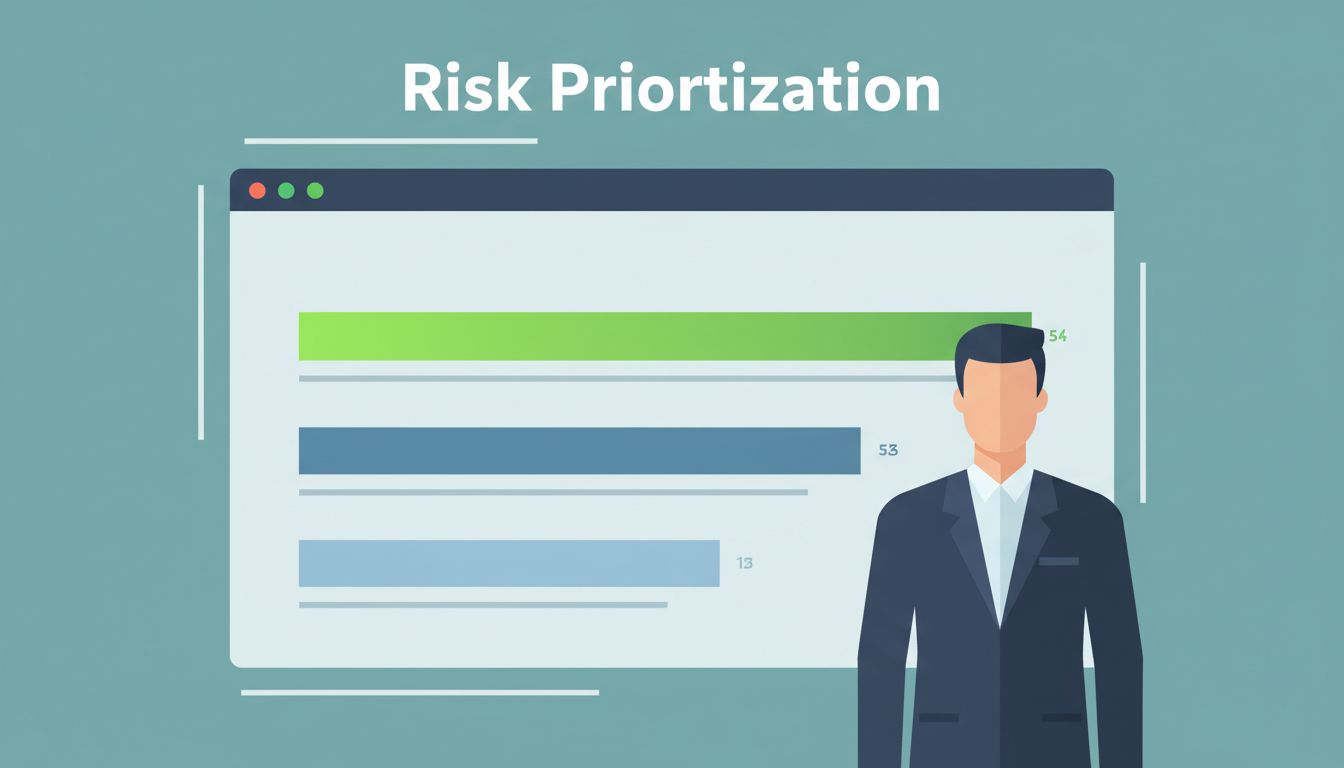
A security candidate can sound confident and still miss the real risk. The best people do not rank issues by noise. They rank them by exposure, impact, and what the business can fix now.
If you hire for security leadership, GRC, or technical risk roles, risk prioritization testing tells you more than a resume ever will. Can they rank a medium issue on a customer portal above a critical flaw on an isolated lab host? That answer shows judgment, not memorized theory.
What good prioritization looks like in practice
Good candidates do more than repeat CVSS scores. They separate technical severity from business impact, then ask what changes the order. A serious flaw on a public payment app deserves different treatment than the same flaw on a test system with no path to production.
They also think about asset value, data sensitivity, exploit path, and compensating controls. A candidate who asks those questions is already doing better than someone who starts and ends with the vulnerability label.
For a useful reference point, NIST’s Risk Management Framework ties security decisions to repeatable steps. For enterprise-level risk thinking, NIST’s guidance on prioritizing cybersecurity risk helps connect findings to business response.
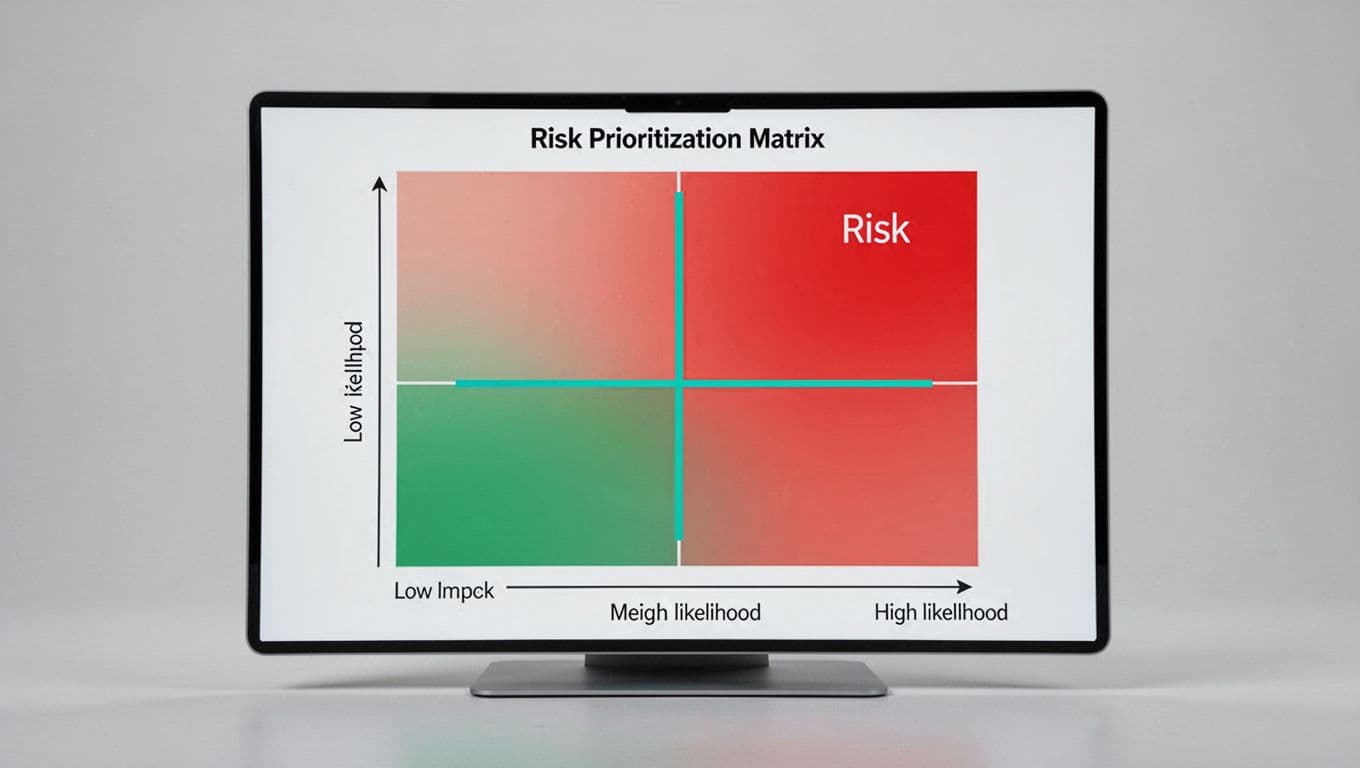
A strong answer also handles timing. A risk that is exploitable today is different from one that needs a rare condition or a future change. That is why you want a candidate who can rank the same issue differently when new facts appear.
Build a scorecard before the interview
A scorecard keeps the interview fair. It also forces candidates to show their reasoning in a way you can compare across roles. Use a 1 to 5 scale for each dimension, then weight the score. Simple beats clever here.
| Dimension | Weight | What strong answers show |
|---|---|---|
| Technical severity | 30% | Exploit path, exposure, blast radius, and known controls |
| Business impact | 30% | Revenue, customer trust, regulatory exposure, and data sensitivity |
| Operational feasibility | 20% | Time to fix, ownership, dependencies, and rollback risk |
| Strategic risk | 20% | Critical systems, third parties, and long-term business plans |
Use the same scale for every candidate. A “5” should mean the same thing each time. If you want a simple model, score each dimension from 1 to 5, multiply by the weight, then add the totals.
A candidate who scores a lower-severity issue higher because it affects a revenue system is showing the right instinct.
The best answers do not chase the biggest number. A CVSS 9.8 on a dead-end lab host should not outrank a 6.5 issue in the checkout flow just because the number looks dramatic. That is where a clear rubric helps you separate reasoning from habit.

Use scenario tests instead of generic questions
Generic questions produce generic answers. Scenario tests show whether a candidate can sort facts fast. Give them two or three cases, then ask for a ranked list and a short explanation for each choice.
A useful set might include a critical bug on an internal server, a medium issue on a customer-facing app with sensitive data, and a low-severity flaw that affects many cloud assets. You can make the exercise sharper by adding one more twist, such as a slow patch window or a third-party dependency.
Ask follow-up questions when they respond. What if the vulnerable system has a compensating control? What if the fix needs a four-week change window? What if the issue sits in a service tied to revenue? The candidate’s ranking should shift when the facts shift.

This is also where a modern view of exposure helps. Modern risk prioritization frameworks put weight on how quickly a risk can be abused, not only on how severe it looks on paper.
Score the answer, not the confidence
Watch for four signs of strong thinking:
- They ask for missing facts before ranking.
- They explain why one issue moves ahead of another.
- They mention business owners or control owners.
- They change the score when exposure, data, or timing changes.
Weak answers lean on jargon, but stay vague. Strong answers sound grounded and consistent. If the candidate can also explain how the result rolls up into enterprise risk, they may already think at the level you need for GRC, security operations, or leadership roles.
If you want help building a tighter interview rubric or need support calibrating it across security, GRC, and leadership searches, Book a Discovery Call with Bud Consulting.
Conclusion
The best test is not a quiz on acronyms. It is a short, repeatable exercise that shows how a candidate ranks severity, impact, and feasibility.
When the rubric is clear, you can see who thinks in business terms and who only repeats threat labels. That matters because the right person can explain why a smaller flaw belongs higher on the list.
If they can do that with evidence, you have found real judgment.