table of contents
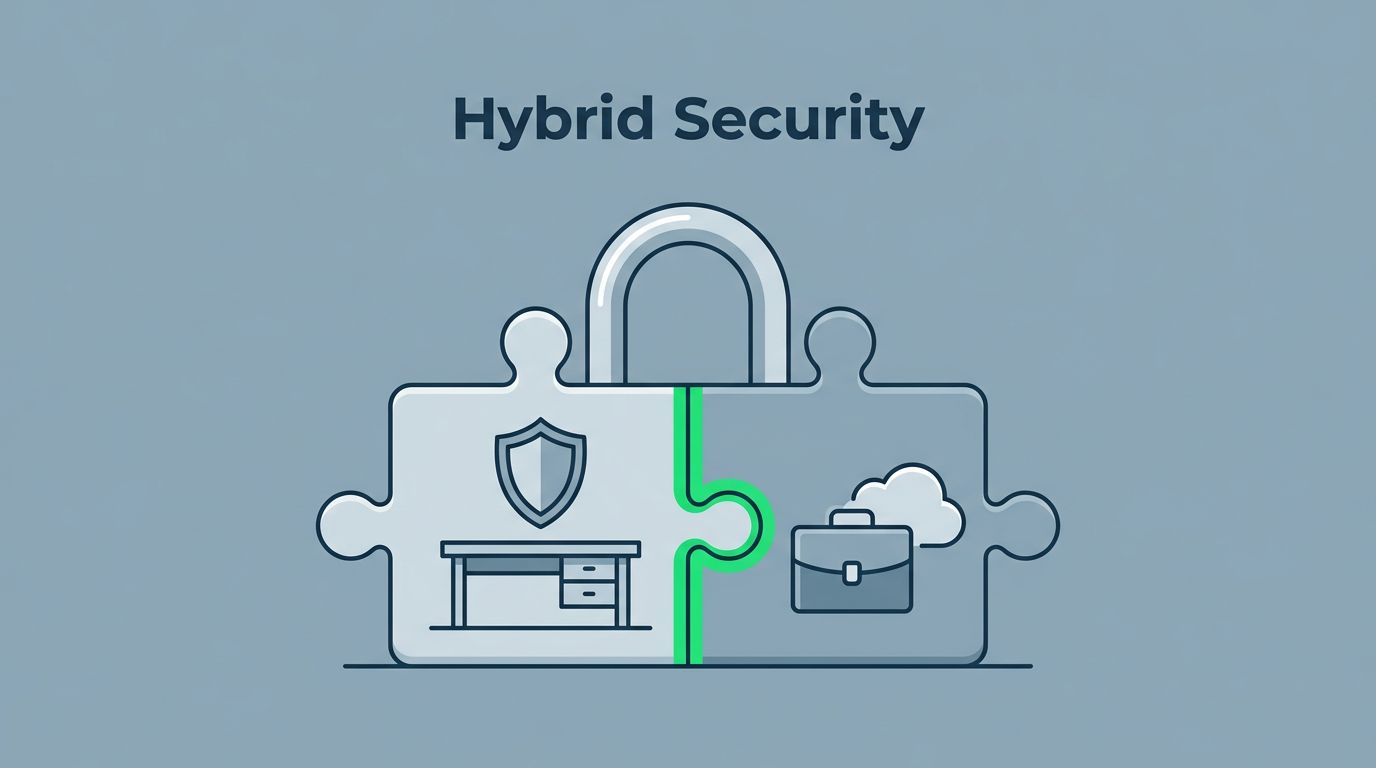
Your security team feels stretched thin. Compliance deadlines loom, threats evolve daily, and skilled hires stay scarce. Small to mid-sized organizations face this daily. A hybrid approach splits work between in-house staff and consultants. It cuts costs and boosts expertise. Let’s break down how to make it work.
Why Hybrid Security Team Structures Fit 2026 Realities
Skills shortages hit hard this year. The 2026 SANS Cybersecurity Workforce Research Report shows AI changes roles fast. Teams lack training, not just bodies. Internal staff handle daily ops. Consultants fill gaps in cloud or AI security.
Mid-sized firms save money this way. In-house teams know your business. They spot risks tied to culture or processes. External help scales for audits or incidents. ISC2’s insights on skills alignment note 95% of orgs need new skills. Hybrid models meet that.
Tradeoffs matter. Internal teams build long-term knowledge. Consultants bring fresh tools but risk turnover. Balance reduces breach odds by 30% in some studies. Start with clear roles. That avoids overlap and finger-pointing.
Tasks Best Handled Internally vs. Consultants
Know what stays in-house. Daily monitoring fits internal teams best. They watch logs and respond quick. Policy enforcement too. Your staff owns user training and access reviews.
Consultants shine on specialized work. Penetration tests or IAM setups need rare skills. They deploy tools like SIEM updates without daily burden.
Here’s a quick comparison:
| Task Type | Internal Team Role | Consultant Role |
|---|---|---|
| Threat Monitoring | 24/7 triage and alerts | Initial setup and tuning |
| Compliance Audits | Ongoing reporting | Deep assessments (e.g., SOC 2) |
| Incident Response | First response and coordination | Forensics and root cause |
| Employee Training | Custom sessions and tracking | Curriculum design |
| Vulnerability Scans | Weekly runs and patching | Advanced red team exercises |
Internal ownership builds accountability. Consultants add bandwidth. Overlap on handoffs prevents gaps.

This split cuts costs 40-60% versus full internal hires. Yet governance keeps control.
A Framework to Decide Task Ownership
Use this simple four-step process. It assigns work based on risk and fit.
First, assess risk. High-impact tasks like executive protection stay internal. Low ones, like basic scans, go out.
Next, check core versus specialized. Core functions tie to your ops. Outsource niche like OT security.
Then, weigh costs. Internal scales slow. Consultants charge per project.
Finally, test accountability. Can they report to your chain?
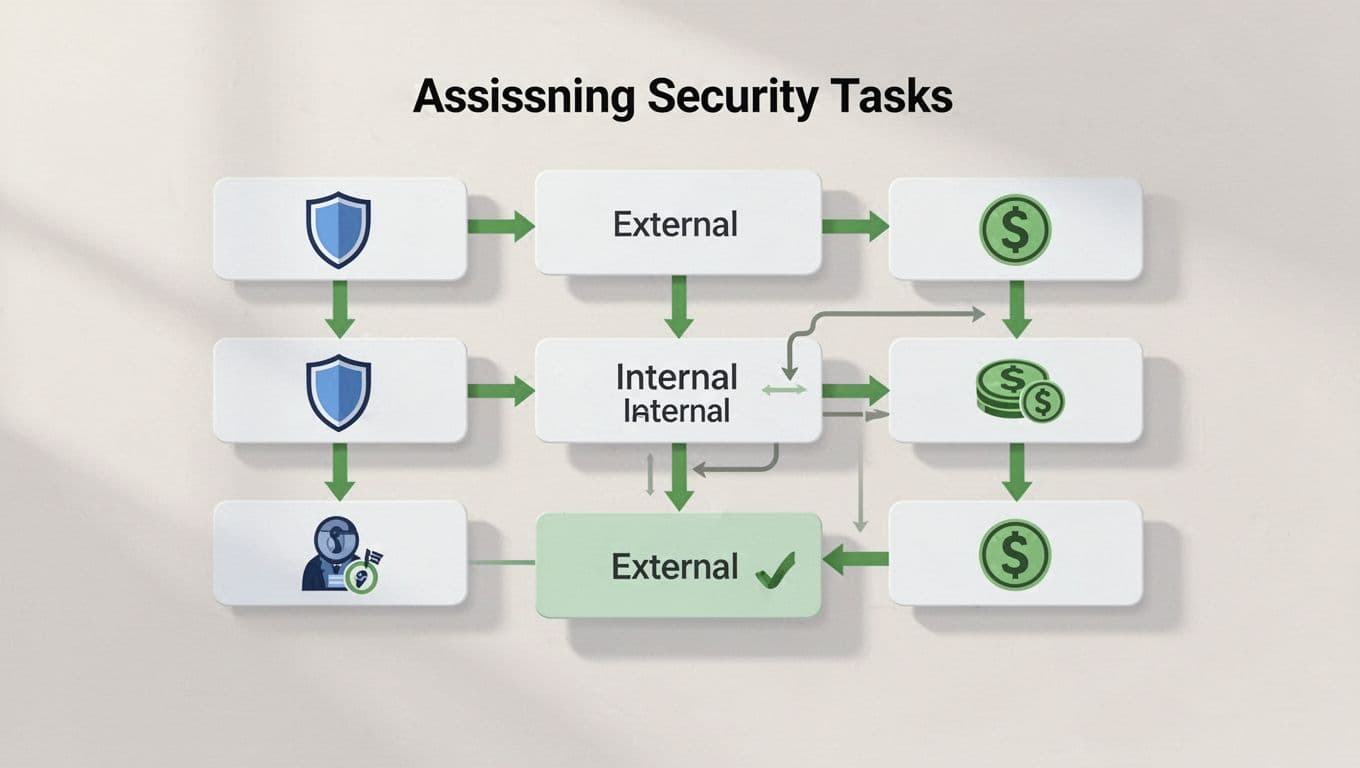
Apply it weekly. For example, a mid-sized bank kept SOC internal. They outsourced pen tests. Result: faster compliance at half the cost. ScienceSoft’s outsourcing best practices back this. Define SLAs upfront. That ensures alignment.
Warning Signs of Imbalanced Teams
Watch for red flags. Over-outsourcing shows in slow responses. Consultants lack context. Breaches rise 25% without internal oversight.
Under-resourcing burns out staff. High turnover hits 40% in stretched teams. Compliance slips too.
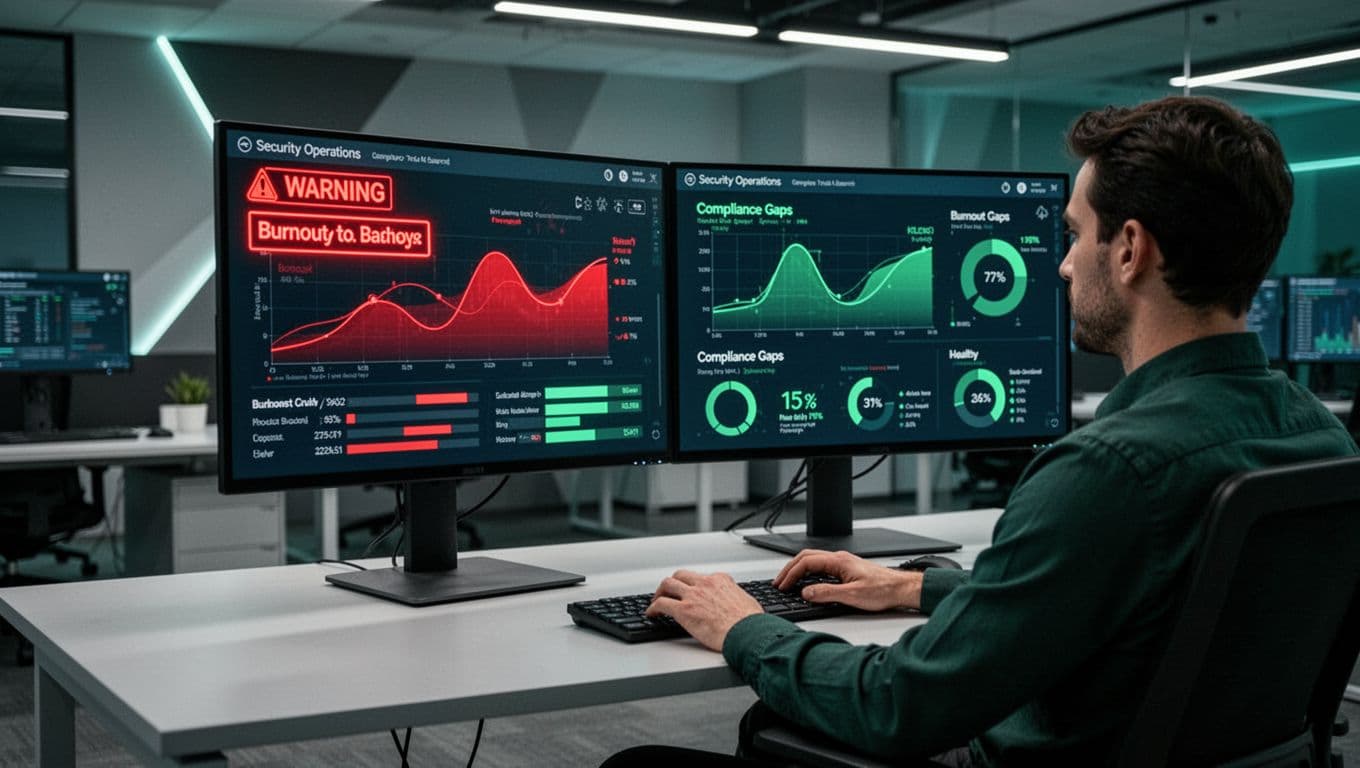
TechTarget outlines MSSP risks. Hidden fees or poor customization hurt. Fix with quarterly reviews. Audit vendor performance. Rebalance as needs shift.
Governance ties it together. Weekly check-ins build trust. Contracts spell out data access. That reduces risk.
Conclusion
Hybrid security team structures win in 2026. Keep core ops internal for control. Use consultants for scale and skills. The framework guides decisions. Watch imbalances to stay agile.
Strong splits cut costs and risks. Your team focuses on what matters. Randstad Digital on hybrid teams shows real gains. Ready to refine yours? Book a Discovery Call with Bud Consulting.