table of contents
Your SOC queue overflows with alerts. False positives bury real threats. One wrong hire, and you miss the next breach.
Alert triage analysts handle this daily grind. They sort noise from signals under pressure. You need someone who spots risks fast and escalates wisely. This guide walks you through hiring one who fits your team.
Understand What Alert Triage Really Demands
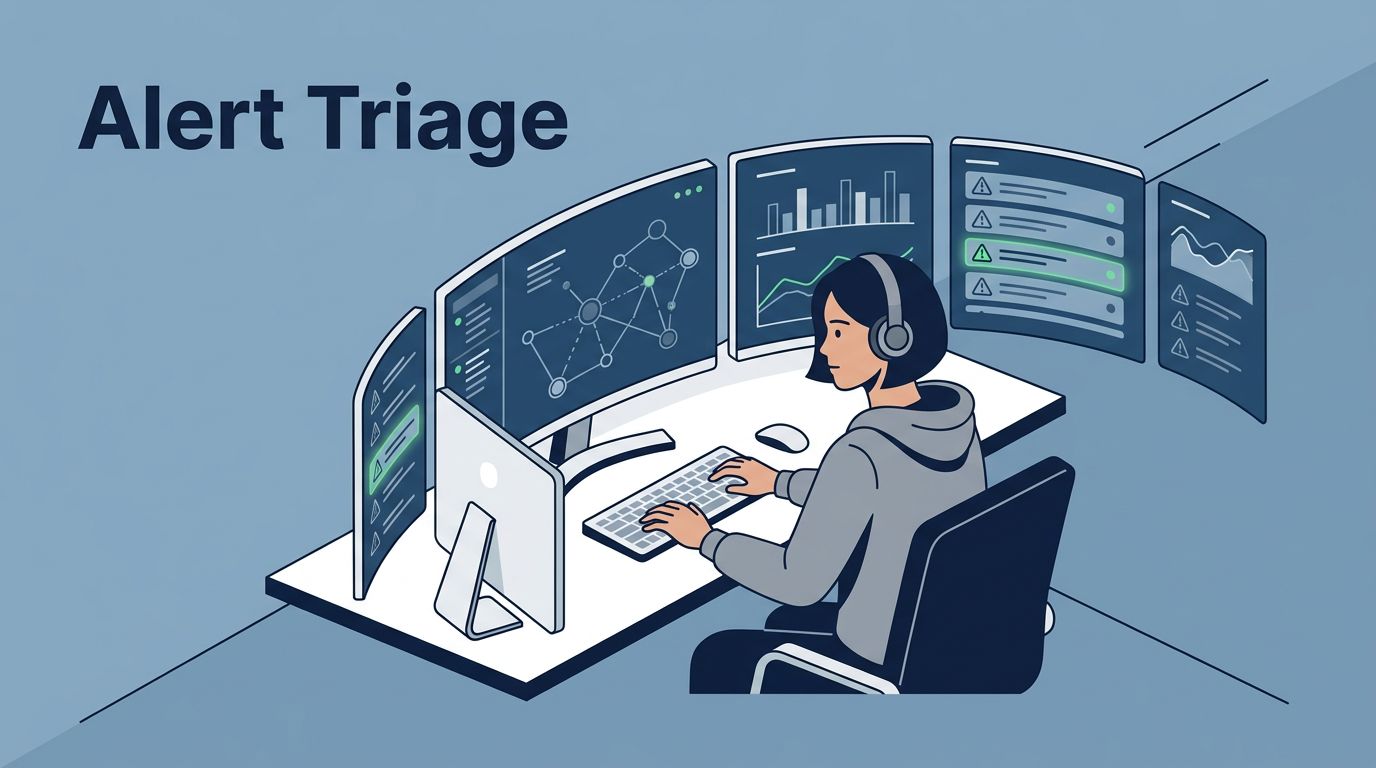
Alert triage sits at the heart of SOC work. Analysts review 40 to 80 alerts per shift. They check logs, IP reps, and user patterns to call true positives or dismiss junk.
Prioritization comes first. High-severity alerts demand quick action. Analysts score them based on impact and confidence. Basics like MITRE ATT&CK help map tactics.

Investigation follows. They enrich data from SIEM or EDR tools. Then they document findings clearly for handover. Escalation judgment decides if Tier 2 needs it. Communication seals the deal; they brief response teams without jargon.
Shift work adds stress. Late nights and weekends test endurance. Your hire must thrive in rotations. For more on triage time and pitfalls, check this practical guide for SOC teams.
Define Essential Qualifications and Skills
Start with hands-on experience. Look for 1-3 years in SOC or MDR triage. They should know Splunk, Elastic, or Microsoft Sentinel.
Key skills matter most. Strong pattern recognition spots disguised threats. Critical thinking drives decisions under volume. Documentation shows crisp notes, not walls of text.
| Skill Area | What to Look For | Example in Action |
|---|---|---|
| Prioritization | Scores alerts by severity and context | Flags phishing on exec accounts first |
| Investigation Basics | Pulls logs, checks MITRE mappings | Correlates EDR hits with network flows |
| Documentation | Clear, concise write-ups | Bullet points with evidence screenshots |
| Escalation | Knows when to bump up | Calls Tier 2 for lateral movement signs |
| Communication | Explains risks to non-tech teams | Simple summaries for incident reports |
Certs like CompTIA Security+ help, but test real ability. Job postings often list these; see a Security Operations Analyst II example.
Tier 1 roles suit triage focus. Avoid over-hiring seniors for queue work. They get bored fast.
Build a Step-by-Step Hiring Process
Craft a process that filters fast. Post clear job descriptions first. Highlight triage volume and tools.
Screen resumes for triage keywords. Then phone interviews gauge basics.
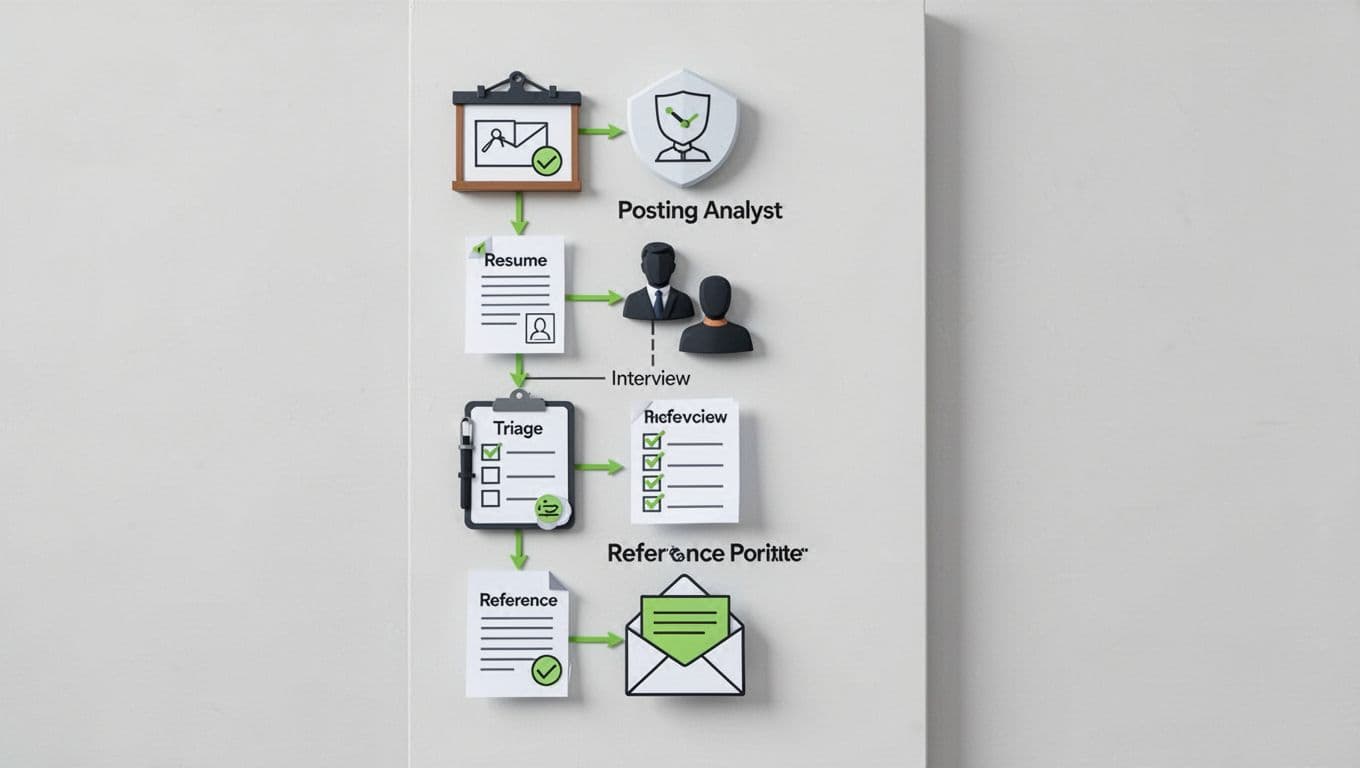
- Post the job. Use LinkedIn and cybersecurity boards. Specify shift readiness.
- Screen applicants. Check for SOC experience. Reject cert-only resumes.
- Phone screen. Ask: “Walk me through triaging a suspicious login alert.”
- Technical interview. Give live scenarios. Watch their process.
- Practical test. Simulate a queue. Time their triage on 5-10 alerts.
- References and offer. Verify past performance. Negotiate shifts.
This sequence catches mismatches early. For triage as a core SOC skill, read this analyst guide.
Evaluate Candidates Through Real Tests
Interviews reveal little without practice. Ask behavioral questions first. “Tell me about a time you missed a threat. What happened?”
Then simulate triage. Share a mock alert: unusual outbound traffic from a server. They investigate in your tool sandbox. Grade speed, accuracy, and notes.

Probe escalation: “Would you call this in? Why?” Good answers reference playbooks or risk scores. Test communication with a summary pitch.
Assess shift fit. “How do you handle 2 a.m. queues?” Listen for resilience.
Use rubrics for fairness. Score 1-5 on each skill. Top scorers advance.
Sidestep Common Hiring Traps
Certs dazzle but don’t triage. Probe practical use in interviews.
Don’t chase seniors for junior queues. They demand high pay and quit from monotony. Match experience to task.
Ignore shift readiness at your peril. Ask about past rotations. Burnout hits fast otherwise.
Volume blinds you. One great triager beats three average ones. For escalation details, see this alert triage overview.
Key Takeaways for Your Next Hire
Hire analysts who triage fast and smart. Focus on tests over resumes. Build a process that proves fit.
Your SOC strengthens with the right pick. Threats wait for no one.
Book a Discovery Call with Bud Consulting to source vetted talent.
(Word count: 978)