table of contents
Your team clicks on phishing links. Employees share passwords. These slips cost millions in breaches each year. A security awareness specialist fixes that by shifting habits, not just teaching rules.
In 2026, human error drives 74% of attacks. You need someone who uses behavioral science to build secure habits across sales, IT, and execs. This guide shows you how to find and hire that expert.
Grasp What Makes a Security Awareness Specialist Unique
Security awareness specialists stand apart from general cybersecurity pros. They focus on culture and daily choices, not firewalls or code. Cybersecurity trainers drill technical responses, like MFA setup. Instructional designers build courses. Compliance officers check boxes for audits.
Specialists drive change. They spot why staff ignore risks, then apply psychology to fix it. For example, they use nudges for better password habits. Hoxhunt explains how behavior-focused training cuts risks.
This role demands change management skills. They partner with leaders to embed security in workflows. Data backs their work: metrics like phishing report rates show progress.
In hybrid setups, they tackle remote risks. Think AI tools that flag odd logins before trouble hits.
Set Precise Hiring Criteria
Start with must-haves. Look for 3-5 years in awareness programs with proven behavior shifts. Demand evidence: reduced click rates or habit surveys.
Prioritize skills-based picks over degrees. 2026 trends favor hands-on proof, like leading simulations that dropped risks 40%. Check for behavioral analytics experience. They should read user data to predict slips.
Key criteria include:
- Mastery of nudges and spaced repetition from behavioral science.
- Stakeholder wins: campaigns that got C-suite buy-in.
- Metrics focus: tools tracking secure actions, not just completions.
Use AI governance knowledge too. Employees feed data to chatbots; specialists train against that.

This hiring manager weighs resumes against real metrics. It separates talkers from changemakers.
Post jobs on niche boards. Ping Identity’s Security Awareness & Culture Manager role lists multi-channel content for global teams. Mirror that: engagement plus inclusion.
Budget $120K-$160K base for seniors. Add equity for retention.
Spot Top Traits in Candidates
Great specialists influence without authority. They blend empathy with data. Seek storytellers who make threats relatable, like comparing phishing to pickpockets.
Core traits:
Communication that sticks. They craft emails, videos, workshops for all levels.
Data fluency. They tie training to outcomes, like 30% engagement jumps from nudges.
Adaptability. 2026 demands zero-trust habits in AI-heavy work.
Stakeholder savvy. They align HR, legal, ops for company-wide buy-in.
Passion for psychology helps. SoSafe outlines behavioral science benefits, like empowering threat spotting.
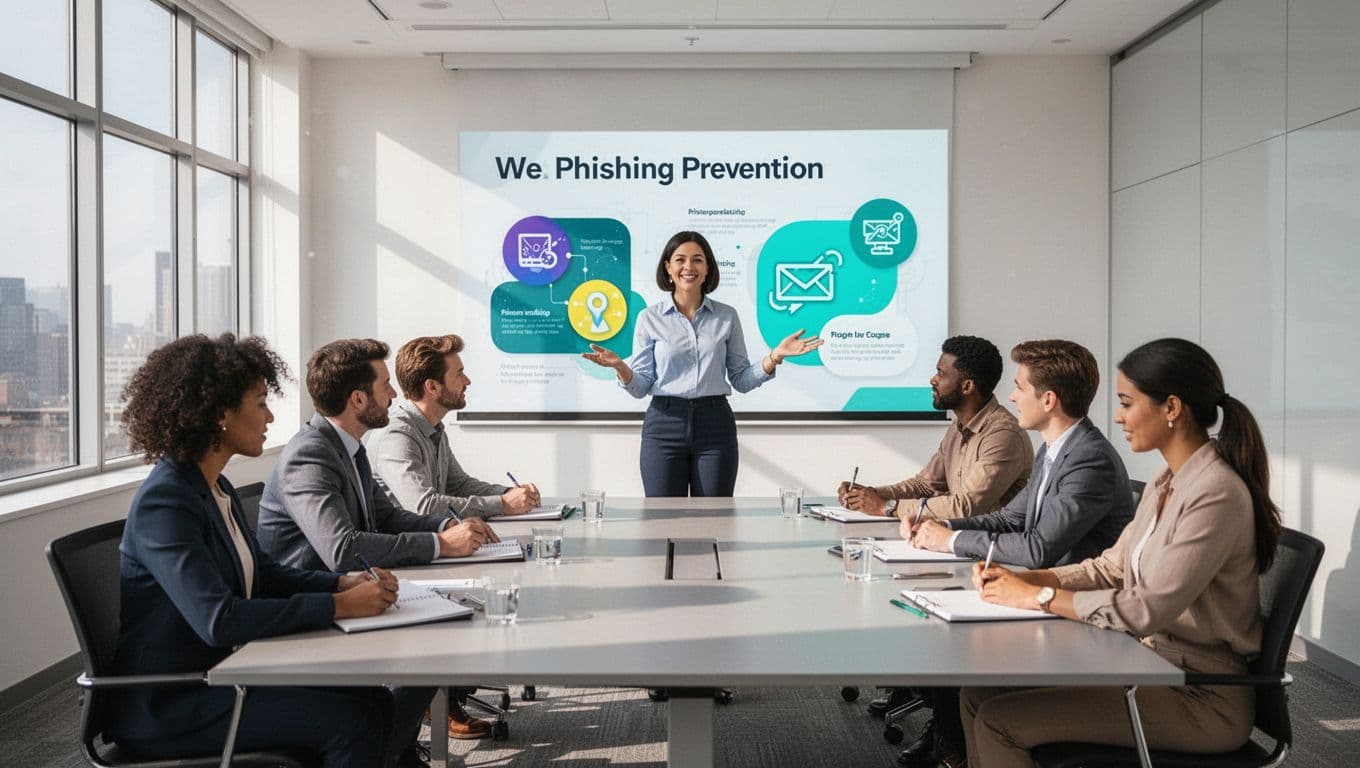
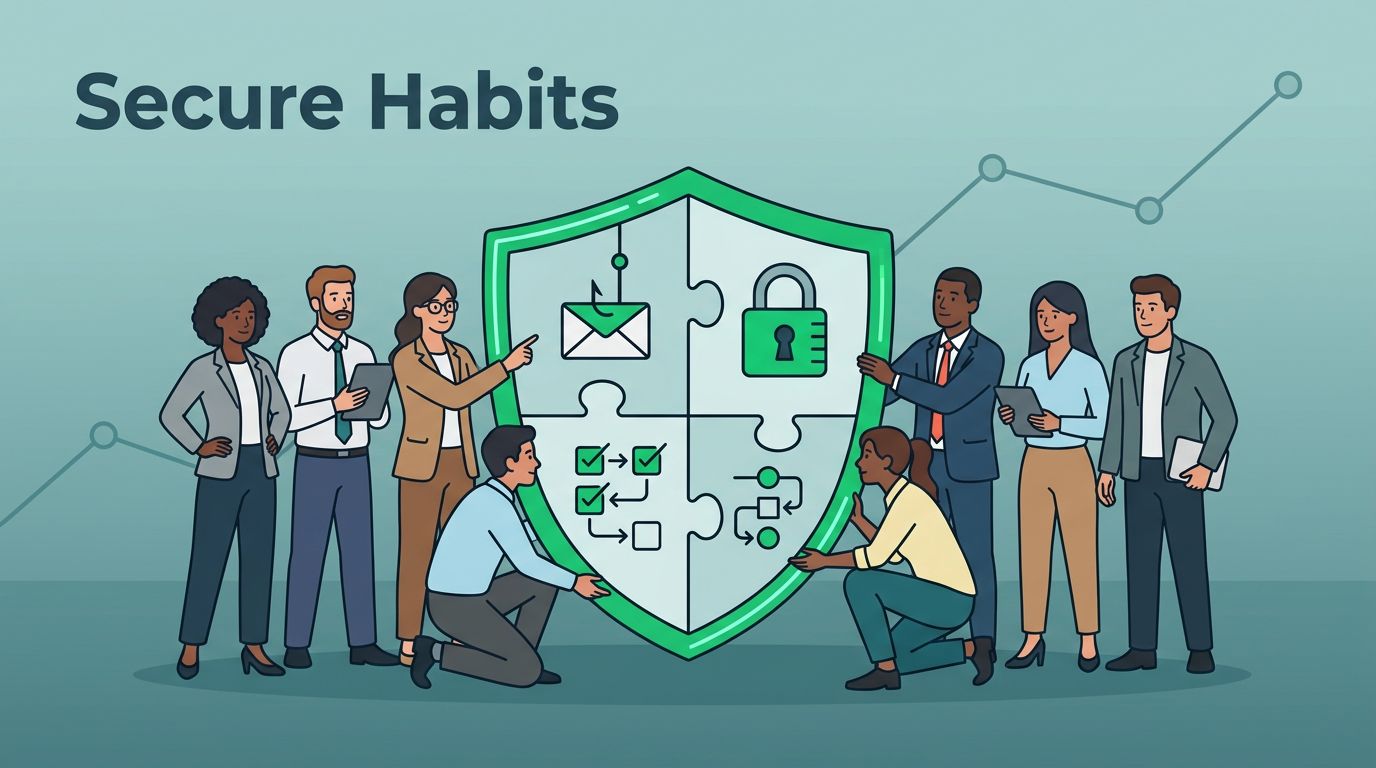
Picture this specialist rallying a team. Engagement like that sparks habits.
Test via references. Ask past bosses: “Did phishing reports rise under them?”
Ask Questions That Reveal Behavior Changers
Interviews must probe impact. Skip “Tell me about yourself.” Go behavioral.
Sample questions:
“Tell me about a campaign where you cut risky clicks. What data guided it?”
“How do you use nudges for password habits? Share metrics.”
“Describe partnering with skeptical execs. What changed their minds?”
“Walk us through measuring program ROI beyond completions.”
These draw proof. Yardstick offers behavioral questions for awareness roles.
Follow up: “Why did that work?” Weak answers flag trainers, not changers.
Panel format works. Include end-users for culture fit.
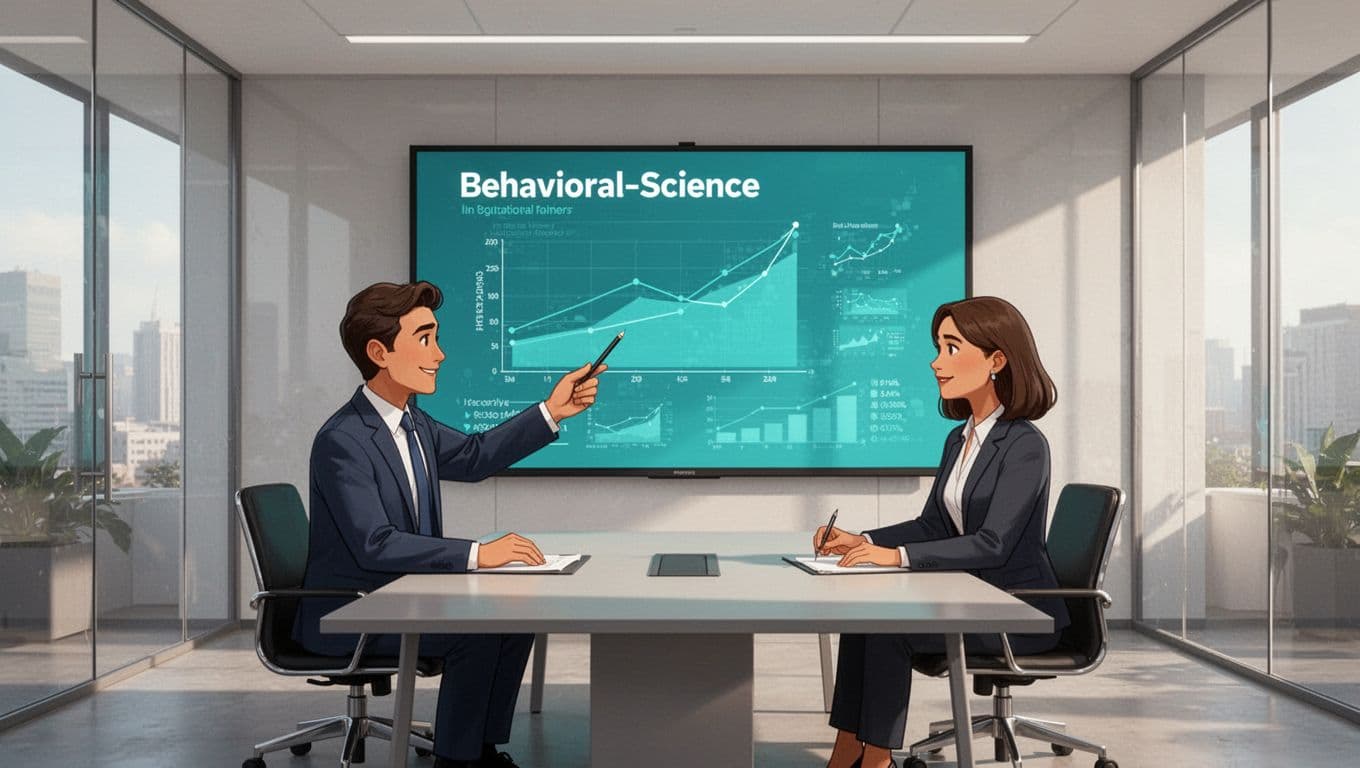
Such talks uncover if they grasp science-backed shifts.
Role-play phishing pitches. Top candidates counter with real tactics.
Dodge Pitfalls in the Hiring Process
Many grab generalists. They teach facts; behaviors stay risky. Demand behavior portfolios.
Overlook culture fit. A data whiz flops without influence skills.
Rush without trials. Propose 30-day projects: run a mini-campaign, track results.
Ignore retention. Offer growth paths, like CISO tracks.
Skills gaps hurt too. Per 2026 data, firms upskill internals but hire for AI-behavior expertise.
Trailhead contrasts awareness specialists from trainers: culture builders win long-term.
Conclusion
Hire a security awareness specialist who measures habit shifts, not headcounts. They use science, data, and alliances to make security automatic.
Focus there, and breaches drop. Your culture strengthens.
Book a Discovery Call with Bud Consulting to source vetted talent fast.