table of contents
A single data breach costs companies $4.44 million on average in 2026. In the US, that number jumps to $10.22 million. Security leaders face a tough sell: budgets stay tight even as AI-driven threats spike.
You know your team needs more hands. Yet CFOs push for efficiency first. They want proof that new hires protect revenue and cut costs, not just chase risks.
This guide shows you how to frame your security headcount business case in terms they respect. Follow these steps to get approval.
Understand Your CFO’s Priorities
CFOs focus on cash flow, growth, and ROI. They see security as a cost center until you tie it to business outcomes. Start there.
In 2026, tighter budgets mean every dollar counts. AI threats overload teams, with ransomware damages projected at $74 billion globally. Detection takes 241 days on average, draining productivity.
Show how understaffing creates risk exposure. For example, human errors cause 60% of incidents like phishing. Without enough people, threats slip through, hitting revenue.
CFOs also weigh budget tradeoffs. They ask if tools or automation can fill gaps first. Point to data: AI copilots cut triage time by 80%, but they don’t replace skilled judgment in complex attacks.

Frame hires as revenue protectors. A security analyst spots insider risks early, avoiding $4.92 million losses per event. This aligns with CFO goals: protect the bottom line while enabling sales.
Vanta offers solid tips on requesting security budget from exec teams by linking controls to vendor growth.
Spot Risks and Quantify the Gaps
First, map your current setup. List incidents from the past year. Note delays in response or compliance checks.
Calculate incident cost avoidance. One breach racks up $195,000 in direct costs for mid-sized firms: forensics, legal, notifications, fixes. Add lost business, and it multiplies.
AI-driven attacks make this worse. They mix ransomware with data theft in 44% of cases. Your team handles 14 breaches daily somewhere in the ecosystem. Gaps mean missed detections.
Next, measure productivity constraints. Overworked staff burn out. Alert fatigue drives turnover, costing $100,000 per analyst in hiring and training.
Compliance adds pressure. Regulations demand GRC oversight. Fines hit millions; delays block deals.
Use this table to baseline your gaps:
| Gap Type | Current Impact | Annual Cost Estimate |
|---|---|---|
| Slow Detection | 181 days to identify breaches | $1M+ in lost revenue |
| Alert Overload | 80% triage time wasted | $500K in overtime |
| Compliance Delays | Blocked vendors, fines | $300K+ |
Teams with extra headcount cut these by half. That saves real money.
The Cybersecurity Tribe article on security hiring stresses proving efficiencies before asking for bodies.
Key Security Roles to Fill
Pick roles that match your gaps. Don’t request generalists; specify impact.
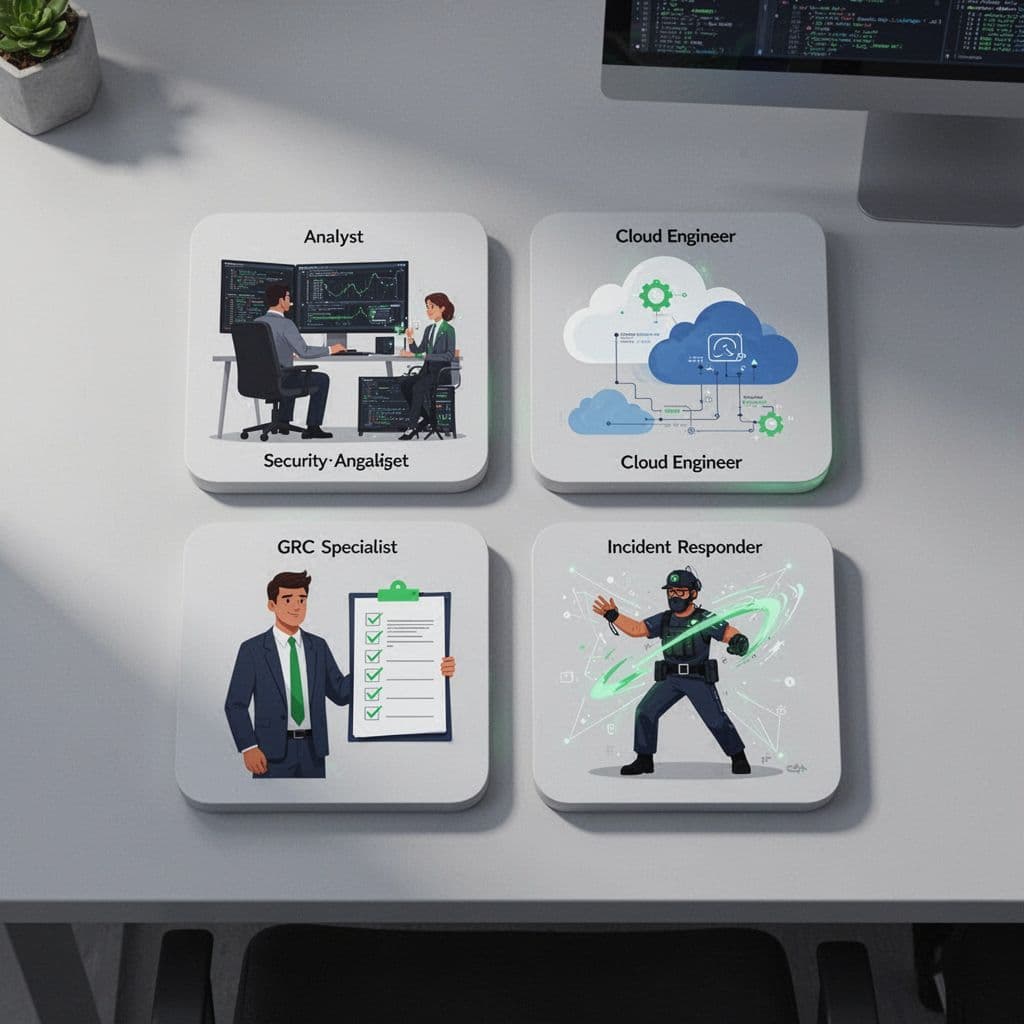
A security analyst triages alerts 24/7. Justify this if volume overwhelms your team. They reduce mean time to respond by 50%, dodging $1 million breaches.
Hire a cloud security engineer for hybrid setups. Cloud breaches cost extra because of misconfigs. This role secures AWS or Azure, protecting scaling revenue.
GRC analysts handle audits and policies. Use them when compliance slows growth. They free sales from reviews, cutting 50 hours per vendor.
An incident responder shines in crises. AI threats demand fast containment. They limit downtime, saving $5.08 million per ransomware hit.
In 2026 surveys, cybersecurity engineers rank as top hard-to-fill roles, right after AI experts. Demand for cloud and AI security skills drives premiums.
Bud Consulting specializes in these tough hires. Book a Discovery Call with Bud Consulting to source vetted talent fast.
Your Step-by-Step Framework
Build your case methodically. This process turns data into a pitch.
- Assess risks: Inventory threats and gaps. Use breach stats to project exposure.
- Calculate costs: Tally current losses. Subtract savings from hires. Aim for 3x ROI.
- Define roles: Match to gaps. Estimate salaries against avoided costs.
- Benchmark efficiencies: Show tools in use. Prove people multiply their impact.
- Present with proof: Use visuals and talking points.
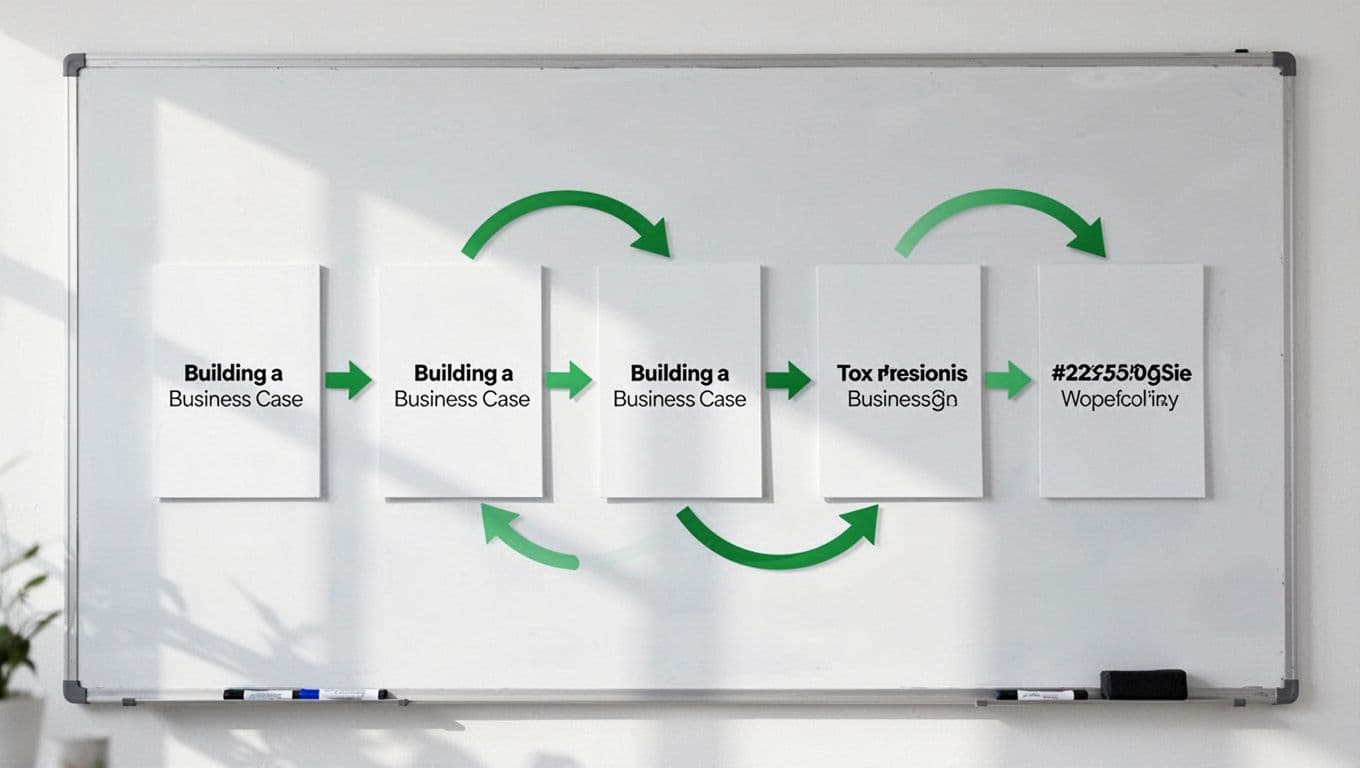
Follow this, and CFOs see hires as investments. Flat budgets in 2026 favor teams proving measurable efficiency.
Sample Talking Points and Justification Example
Prep concise points. Practice them.
- “Our gaps cost $2M yearly in breach risks. One analyst pays back in months.”
- “AI threats overload us. A responder cuts detection from 241 to 60 days.”
- “Compliance blocks $5M in deals. GRC hire unlocks that revenue.”
Here’s a one-page example:
Headcount Request: 3 Roles
- Security Analyst ($120K): Handles 5,000 alerts/month. Saves $800K in overtime/turnover.
- Cloud Engineer ($160K): Secures 50% cloud growth. Avoids $2M breach.
- Incident Responder ($140K): Limits ransomware to $1M vs. $5M.
Total Cost: $420K. ROI: $4M saved Year 1.
Tie to business: “This protects revenue while we scale.”
Cydef’s guide for CFOs on threat detection backs this with retention math.
Key Takeaways
Your security headcount business case succeeds when it speaks finance: risks avoided, costs cut, revenue safe.
Use breach stats and gaps to show urgency. Pick roles with clear ROI. Present simply.
CFOs approve teams that boost efficiency amid 2026’s AI threats and tight budgets. Build that case now. Your bottom line depends on it.