table of contents
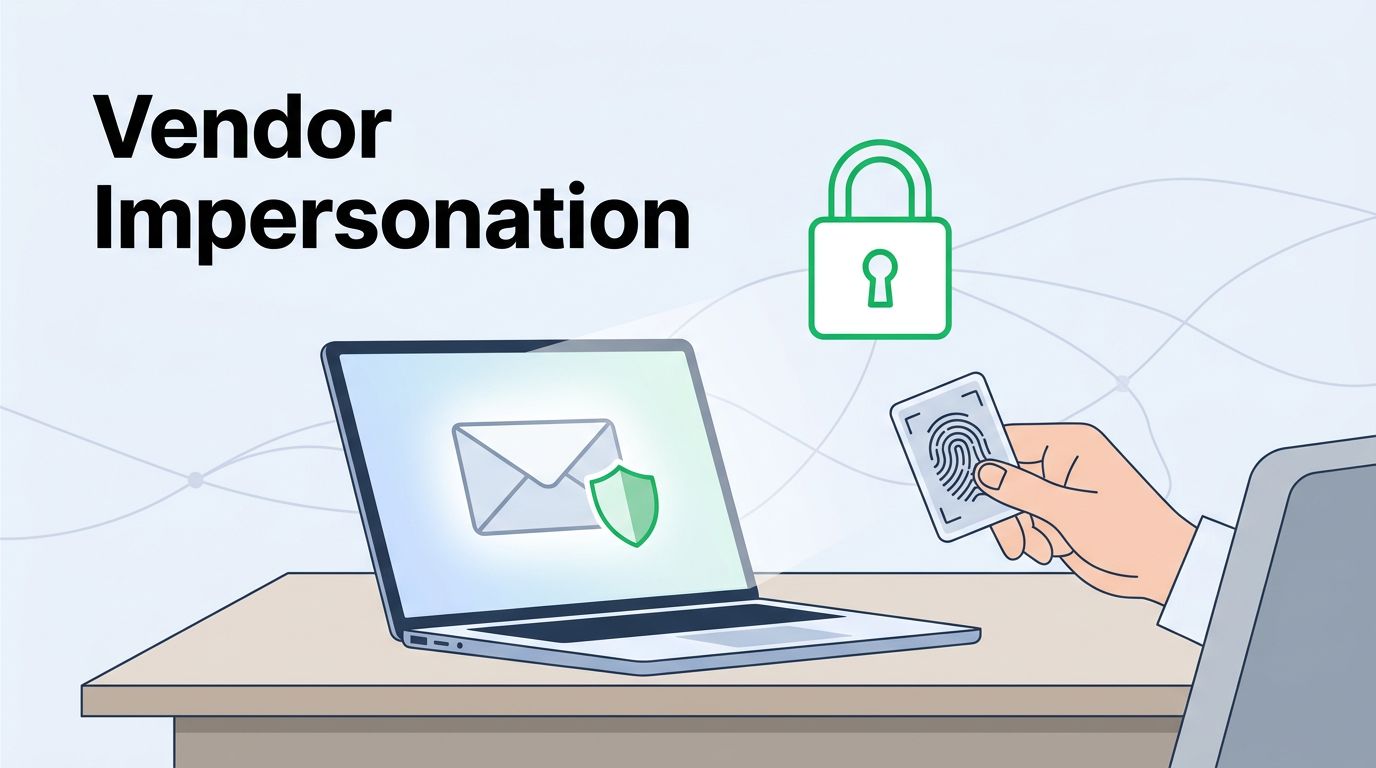
Vendor impersonation scams cost businesses billions each year. In 2025, Americans alone lost over $12.5 billion to fraud, with impersonation as a top driver. Procurement teams face rising risks in 2026 as AI makes fake emails and voices harder to spot.
These attacks hit hard during invoice approvals or payment changes. Fraudsters pose as trusted suppliers to redirect funds. You can stop them with simple checks and smart habits.
This guide shares practical steps your team can take today. Start by knowing the threats, then build checks that work.
Recognize Vendor Impersonation Tactics
Fraudsters target procurement because payments move fast. They send fake invoices that match real ones but swap bank details. Or they call as your supplier’s new rep with an “urgent update.”
In one case, a mid-sized firm got an email from their printer vendor. It asked to switch accounts for a big order. The team paid $150,000 before spotting the odd domain. Real vendors don’t rush changes like that.
AI boosts these scams now. It clones voices for calls or crafts emails in your supplier’s style. Stats show 42.5% of 2026 fraud attempts use AI, and 29% succeed. Business email compromise (BEC) blends fake exec approvals with vendor tricks.
Watch for red flags. Emails from slight domain twists, like vendor.com to vend0r.com. Pressure to act now, without questions. Requests only by email, no phone backup.
Only 32% of companies always verify vendor banks. That leaves gaps. Train your team to pause on surprises. Hang up on unsolicited calls. Call back using numbers from your files.
For more on BEC trends, check Proofpoint’s guide to vendor scams.
Spot Risks Before Payments Go Out
Catch issues early in your workflow. Review every invoice against known details. Does the amount match? Bank info match?
Build a quick checklist for AP teams:
- Confirm sender domain matches your vendor list.
- Check for odd phrasing or attachments.
- Look up recent payments for patterns.
In 2026, deepfakes add tricks. A fraudster might video call as your contact. Test with questions only the real person knows.
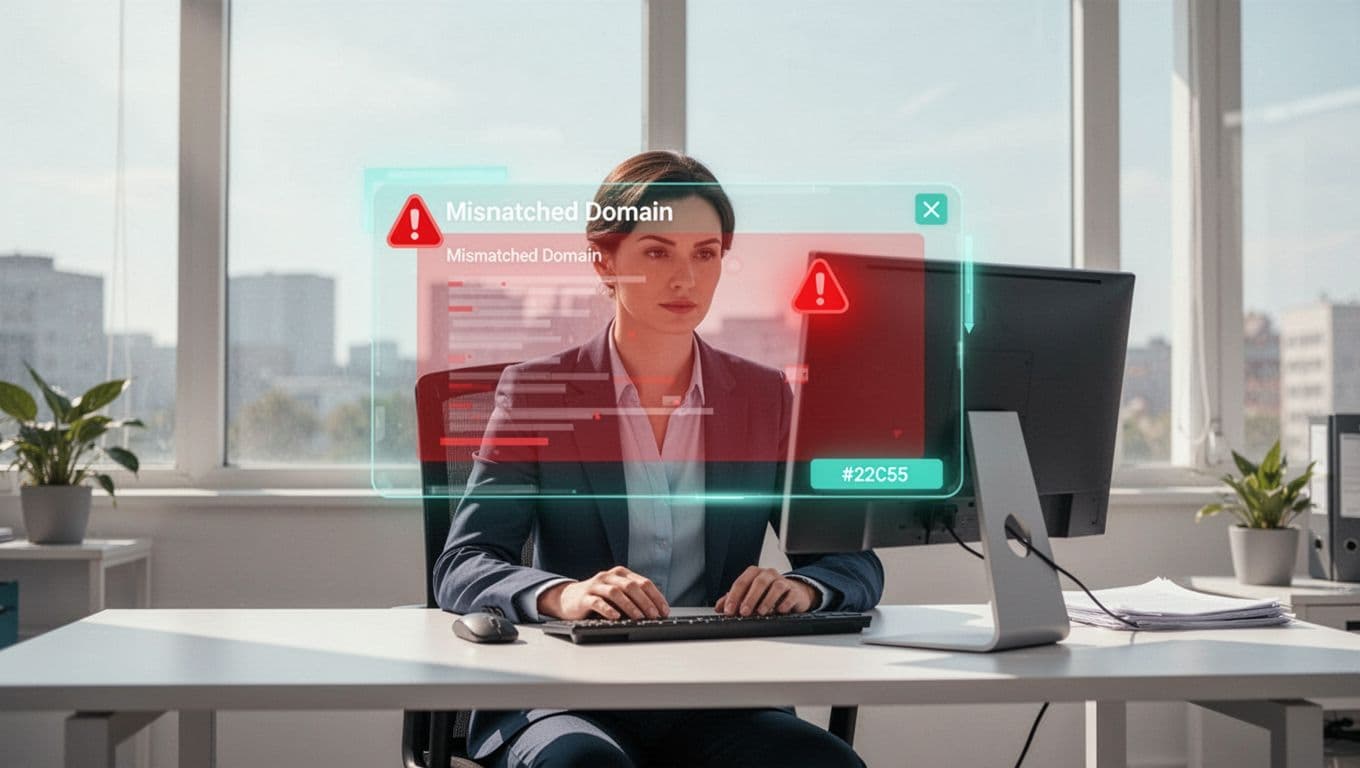
Use tools like secure email gateways. They flag spoofs with DMARC and SPF. TechTarget outlines email controls to block vendor compromises.
Segment duties. One person flags changes; another approves. This stops lone errors. Audit high-value payments weekly.
Build Reliable Vendor Verification Processes
Never trust one channel for changes. If a vendor emails new bank info, call them back. Use the number on file, not the email.
Set multi-channel rules. Email plus phone, or portal login. For new vendors, match tax IDs and addresses against public records.
Here’s a simple process:
- Log the request in your system.
- Contact via known phone or portal.
- Get verbal okay, then document it.
- Dual-sign for approval.
One enterprise avoided a $500,000 hit this way. The fake email said “bank merger.” They called and heard the real vendor knew nothing.
Require MFA on vendor portals. It blocks account takeovers. Only 45% of firms faced impersonation last year, but numbers climb.

Commerce Bank details vendor fraud checks like tax ID validation.
Update master files yearly. Purge inactive vendors. This cuts risks from old data.
Automate Workflows and Keep Audit Trails
Tech makes prevention scalable. Use procurement software with built-in flags. It halts payments on unverified changes.
Set rules: No bank swaps without dual approval and logs. Workflow tools track every step.
MFA everywhere. It stops credential stuffs. Add AI scanners for odd emails.
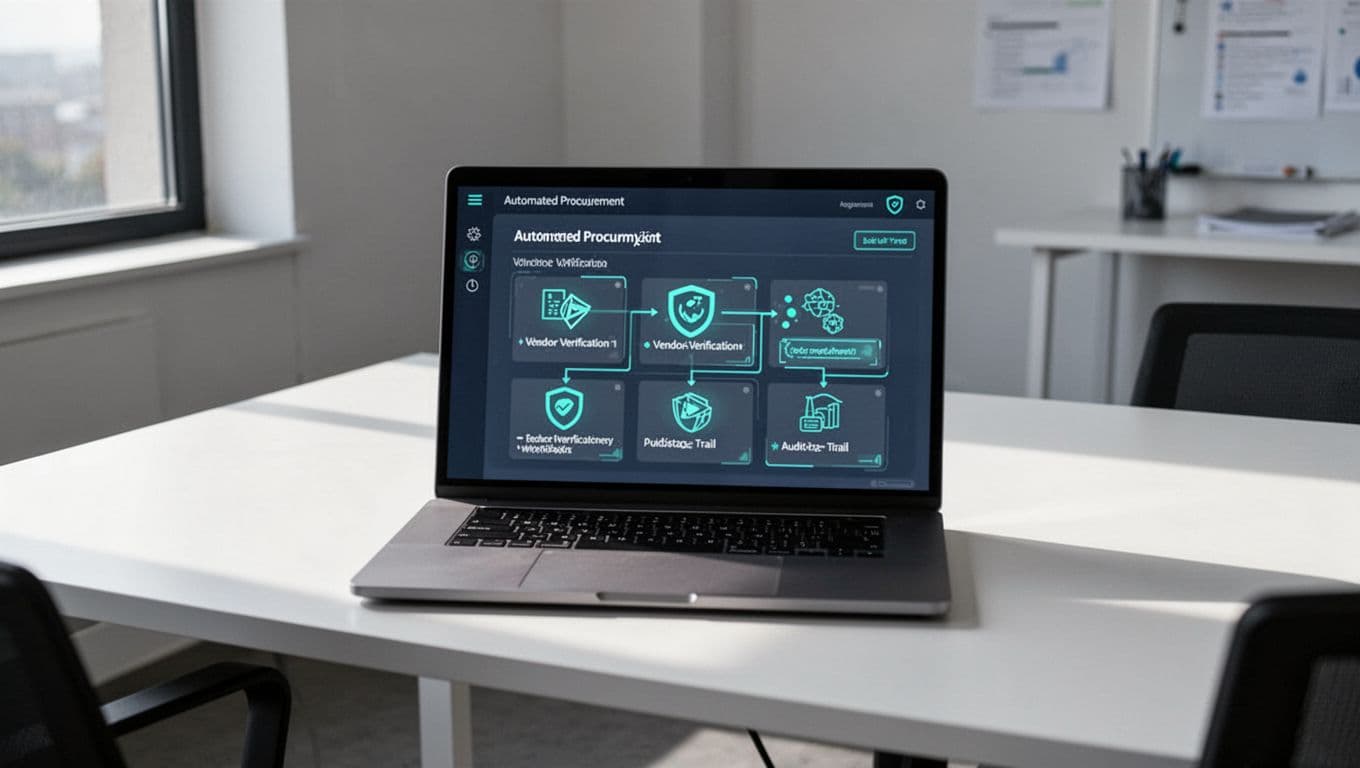
Choice Bank shares practices like dual controls and audits.
For mid-market teams, start with free add-ons to your ERP. Enterprises, integrate continuous checks.
Train quarterly. Role-play scams. Test responses.
Bud Consulting helps close security gaps. Book a Discovery Call with Bud Consulting to strengthen your team’s defenses.
Key Takeaways for Vendor Impersonation Prevention
Vendor scams thrive on trust and speed. Pause, verify across channels, and log everything. These steps block most attacks.
AI raises the bar in 2026, but basic controls still win. Update policies now. Your next invoice could test them.
Teams that verify payments cut losses fast. Start with one change today, like mandatory callbacks.