table of contents
Telemetry only helps when the data is clean, timely, and easy to trust. If logs arrive late, break schemas, or lose context on the way in, your SOC ends up chasing noise.
That’s why hiring a security data engineer matters. You’re not filling a generic data role, and you’re not hiring another analyst. You’re bringing in the person who keeps security signals moving through your stack, so detection engineering and response can work with confidence.
What this role owns in a modern telemetry stack
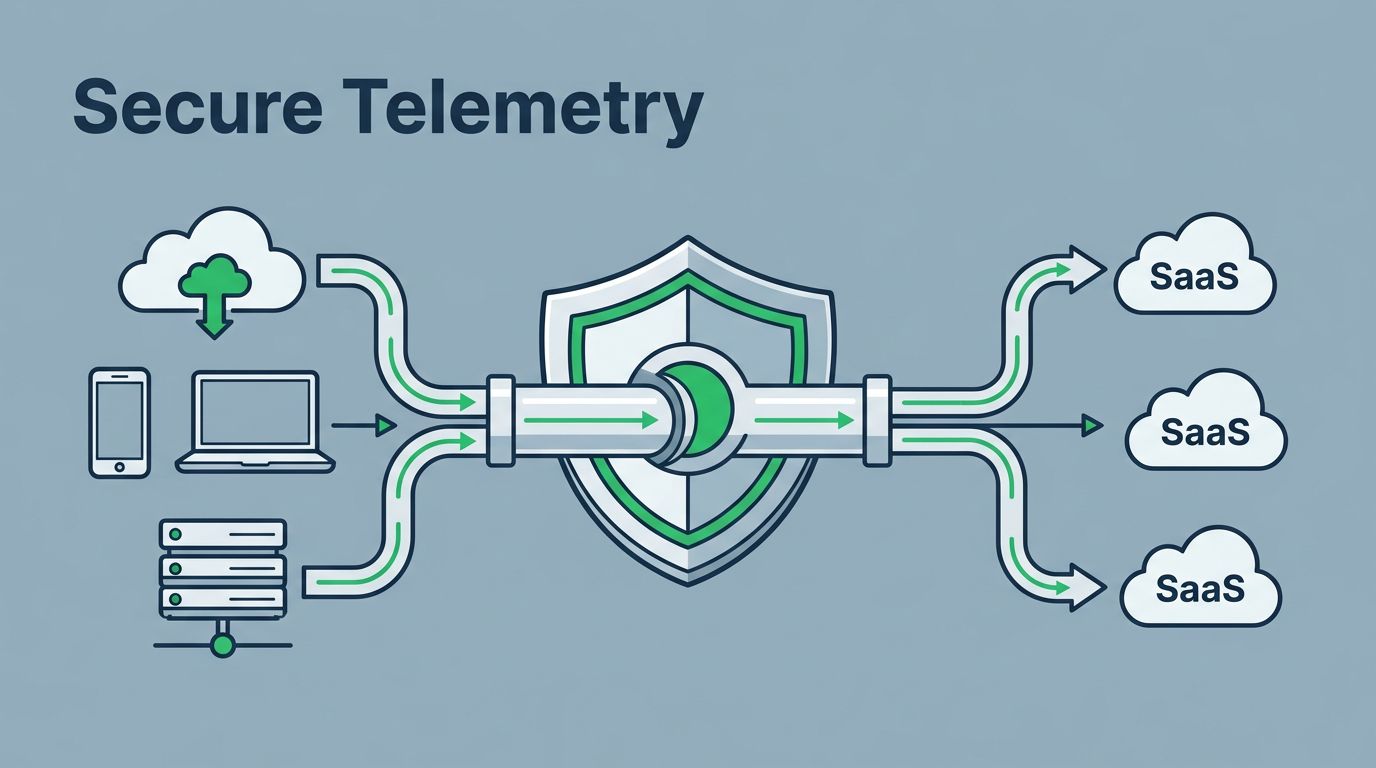
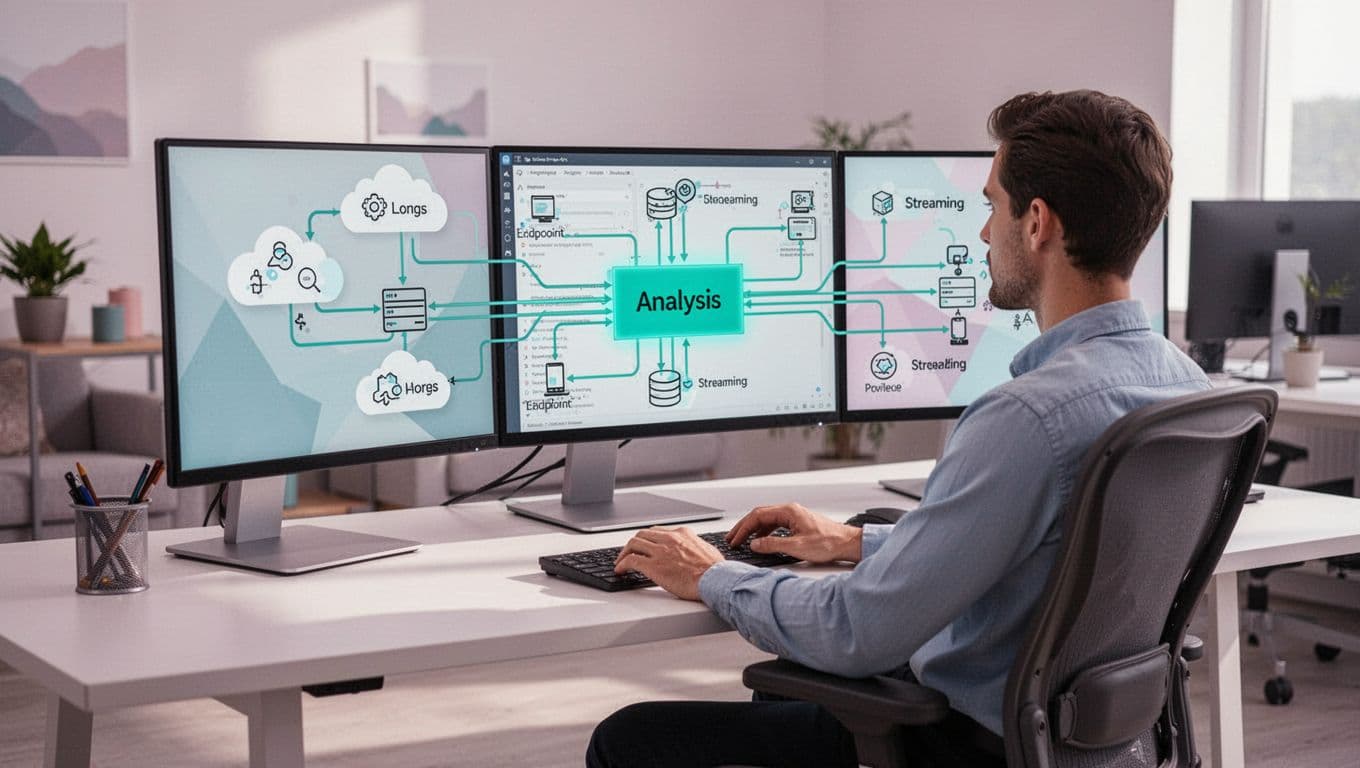
A strong security data engineer sits between source systems and the teams that act on the data. They own ingestion, parsing, normalization, enrichment, routing, and the checks that keep pipelines healthy.
That usually means logs from cloud services, endpoints, identity platforms, SaaS apps, and network tools. It also means making sure those events land in the right place, whether that is a SIEM, a data lake, or both.
The best candidates think about telemetry as a system, not a batch job. They understand backpressure, retries, schema drift, and how one bad field can hurt detections downstream.
This role also overlaps with adjacent jobs. If you want to see how it differs from platform security work, the 2026 DevSecOps engineer career guide is a useful reference point.
Technical skills that matter in 2026
The strongest candidates know how to move data and how to protect it. In 2026, that means cloud fluency, real-time processing, and a solid grip on security operations needs.
Look for these skills first:
- Cloud data plumbing: AWS, Azure, or Google Cloud, plus the services that move and store logs.
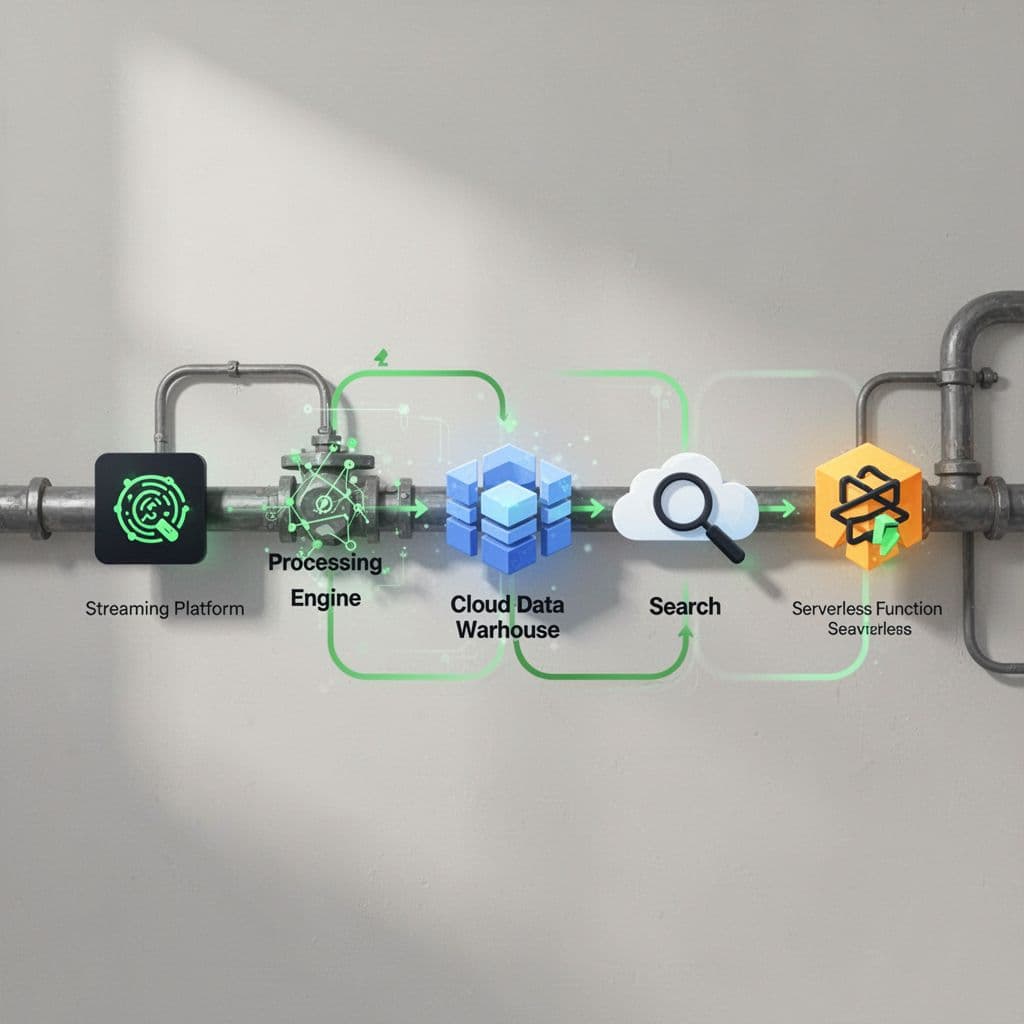
- Stream and batch processing: Kafka, Spark, Flink, Airflow, or similar tools that keep pipelines moving.
- Schema normalization: turning messy source events into a usable, shared structure.
- Enrichment logic: adding asset, identity, geo, or threat context without breaking the event.
- SIEM and data lake integration: knowing how data lands in Splunk, Sentinel, Elastic, Snowflake, Databricks, or equivalent systems.
- Observability for pipelines: measuring delay, loss, failure rates, and data freshness.
A current 2026 data engineering hiring guide is a good reminder that the market still rewards practical operators, not title collectors. For this role, the same rule applies.
If a candidate can talk about handling malformed logs, duplicate events, and late arrivals, you’re probably in the right conversation.
What separates strong from average
A decent engineer can build a pipeline. A strong one can explain why detections failed after a source changed its format.
That difference matters. Security teams need someone who can spot silent data loss, document tradeoffs, and work with detection engineers before problems reach production.
Hiring criteria that actually predict success
Years of experience matter less than the work someone has owned. Ask what scale they handled, which telemetry sources they supported, and how they recovered from bad data.
Good candidates can describe:
- a production pipeline they improved
- a failure they diagnosed under pressure
- a normalization problem they solved
- a time they worked with SOC or detection engineering teams
- a cloud environment they secured while moving logs
Also check whether they understand the business cost of poor telemetry. Missed detections, noisy alerts, and long incident triage are all symptoms of weak data handling.
When the role is hard to define, write the brief before you post it. If you need help shaping that profile, Book a Discovery Call with Bud Consulting to tighten the scope before interviews start.
For comparison, review a senior cybersecurity data engineer posting. It shows how often employers now expect cloud, Airflow, and high-volume log handling in the same job.
Interview questions that reveal real skill
The best interview questions are concrete. They force candidates to explain decisions, not recite tool names.
Use questions like these:
- How do you handle schema drift in a high-volume log source?
- What do you do when a pipeline is on time, but the data is incomplete?
- How would you enrich identity logs without creating duplicate records?
- How do you test that a SIEM feed still supports detections after a source change?
- What monitoring would you put in place for data freshness and loss?
- How would you work with a SOC team that says alerts lost context after ingestion?
Listen for clear thinking. Strong answers mention validation, rollback plans, ownership boundaries, and feedback from analysts.
You can also ask how they would support detection engineering. That question shows whether they understand the last mile, where data quality turns into real security value.
Job description elements worth writing down
A useful job description does more than list tools. It tells candidates what they will own and what success looks like.
Include these elements:
- a short mission statement tied to telemetry quality
- the main data sources and target platforms
- the cloud environment and security controls they’ll work with
- who they partner with, especially SOC and detection engineering
- expected work on normalization, enrichment, and pipeline reliability
- any on-call or incident support expectations
- the metrics that define success in the first 90 days
Keep the language specific. If the team uses Splunk for detections and a data lake for longer retention, say so. If the role must support cloud-native logs and identity data, say that too.
That level of detail helps the right people self-select. It also helps recruiters screen for fit faster.
Measuring success in the first 90 days
The first three months should prove that the hire can stabilize telemetry and improve trust in the data. You do not need perfection. You need measurable movement.
| KPI | What good looks like in 90 days |
|---|---|
| Pipeline uptime | Core feeds stay up and recover fast after failures |
| Data freshness | Security teams get logs within agreed time windows |
| Normalization coverage | More sources follow a shared schema |
| Enrichment success | Key fields like asset, user, and cloud context are filled reliably |
| SOC feedback | Analysts report fewer gaps, duplicates, and broken events |
A dashboard like this keeps the work grounded. It also gives the new hire a clear target, which matters more than vague praise.
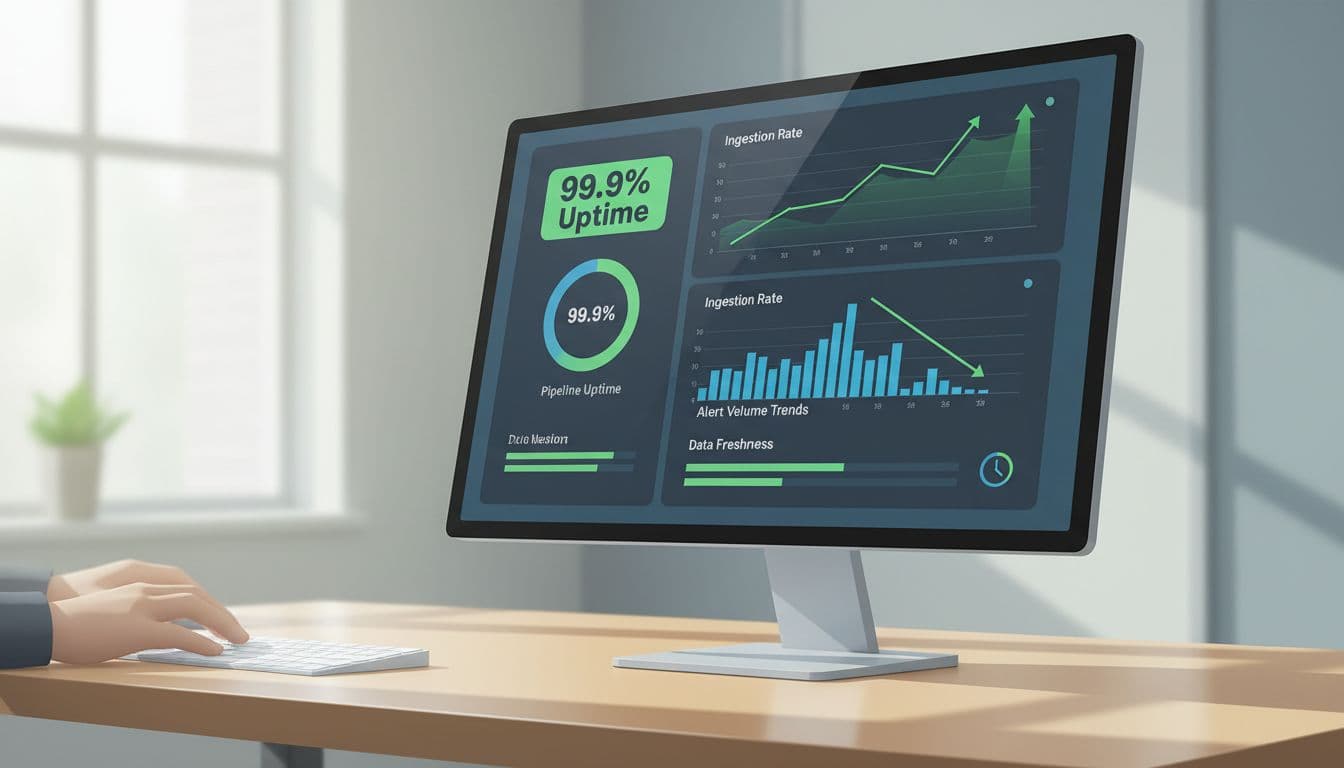
The right mix of telemetry health and analyst feedback tells you whether the pipeline is getting better, not just busier.
Conclusion
Telemetry is the nervous system of modern security. If the signals are weak, every downstream decision gets harder.
A good security data engineer gives your SOC cleaner inputs, better context, and fewer blind spots. Hire for pipeline reliability, schema discipline, cloud fluency, and close collaboration with detection teams, and you’ll see the difference fast.
When the role is defined well, the hire becomes a force multiplier for the whole security program.