table of contents
Vendor risk grows faster than most teams expect. One new payment provider, one cloud tool, one outsourced support partner, and your exposure starts to widen.
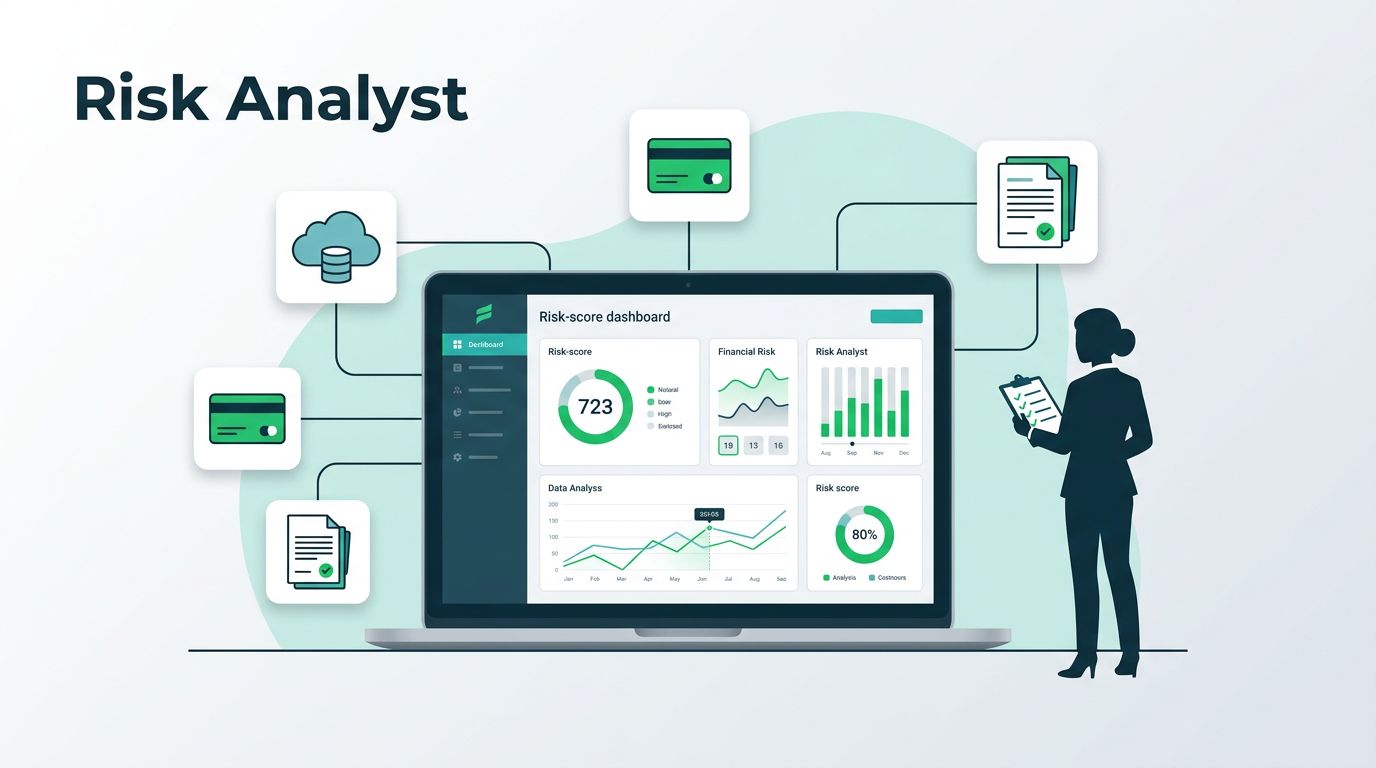
A third-party risk analyst helps you keep that exposure under control. They review vendors, score risk, track fixes, and keep procurement, legal, security, and compliance aligned. In 2026, that job matters even more because AI vendors, sub-processors, and deeper supply chains add fresh risk.
If you are hiring for the first time, the biggest mistake is vague scope. A clear job design makes the hire stronger from day one.
What the role should cover
A strong analyst does more than send questionnaires. They decide how much review a vendor needs, based on inherent risk. Then they check controls, review evidence, and help teams understand the residual risk that remains after safeguards are in place.
They also keep the program moving. That means chasing overdue answers, tracking remediation, and flagging issues before they become contract problems or audit findings.

If the role only exists to collect forms, it’s too narrow for a growing company.
The job should also connect the business side and the control side. Procurement wants speed. Security wants proof. Legal wants clear terms. Compliance wants traceability. The analyst sits between those groups and keeps the process moving without losing rigor.
Scope the job before you post it
Start with the work, not the title. Many companies confuse a third-party risk analyst with a vendor manager, procurement analyst, or general GRC analyst.
Use a simple scope check like this:
| Role | Core focus | What it usually does not own |
|---|---|---|
| Third-party risk analyst | Vendor due diligence, risk scoring, monitoring, remediation | Day-to-day supplier performance |
| Vendor manager | Relationship health and service delivery | Detailed control testing |
| Procurement analyst | Buying process, cost, and contract flow | Security risk decisions |
| GRC analyst | Broader governance, policy, and controls | Vendor intake and ongoing monitoring |
That difference matters. If you need someone to build a third-party program, the analyst should own the risk workflow. If you only need contract admin support, this role is too heavy.
Anchor the role in the right frameworks
The best analysts know how to map real vendor issues to practical controls. They do not quote frameworks for fun. They use them to answer simple business questions: Can we trust this supplier? What needs fixing? Who signs off?
For many teams, NIST Cybersecurity Framework 2.0 guidance is a useful base. If your vendor review process relies on questionnaires, the newer SIG 2026 updates are also worth knowing because the question sets have grown more detailed.
You do not need someone who memorizes every standard. You do need someone who can work with NIST CSF, ISO 27001 supplier controls, and the common questions tied to regulations like HIPAA, GLBA, GDPR, CCPA, PCI DSS, or sector rules in finance and insurance.
In 2026, this also means understanding AI risk, nth-party exposure, and continuous monitoring. A good analyst knows that a vendor’s own sub-processors can change your risk picture.
Hire for judgment, writing, and follow-through
A resume can list tools. It cannot prove judgment.
Look for people who can read a SOC 2 report, spot a gap, and explain the issue in plain English. Look for people who can manage a queue of vendors without losing track of deadlines. Above all, look for calm communication. This role spends a lot of time moving between technical teams and non-technical owners.
Must-have qualifications
- Experience in risk, compliance, audit, procurement, security, or vendor management.
- Working knowledge of security questionnaires, due diligence, and remediation tracking.
- Comfort with spreadsheets and a GRC or TPRM platform.
- Strong writing skills and steady stakeholder communication.
- Basic understanding of inherent and residual risk.
Nice-to-have qualifications
- Experience with NIST CSF, ISO 27001, or SIG questionnaires.
- Exposure to HIPAA, GLBA, GDPR, CCPA, PCI DSS, or FCA and FINRA expectations.
- Data skills such as SQL, Power BI, Tableau, or Python.
- Experience with AI vendor reviews or fourth-party mapping.
- Prior work in a regulated industry.
If you are hiring in a tight market, prioritize judgment and communication first. You can teach a tool. It is much harder to teach clear risk thinking.
Your step-by-step hiring process
A clean hiring process helps you avoid a bad fit.
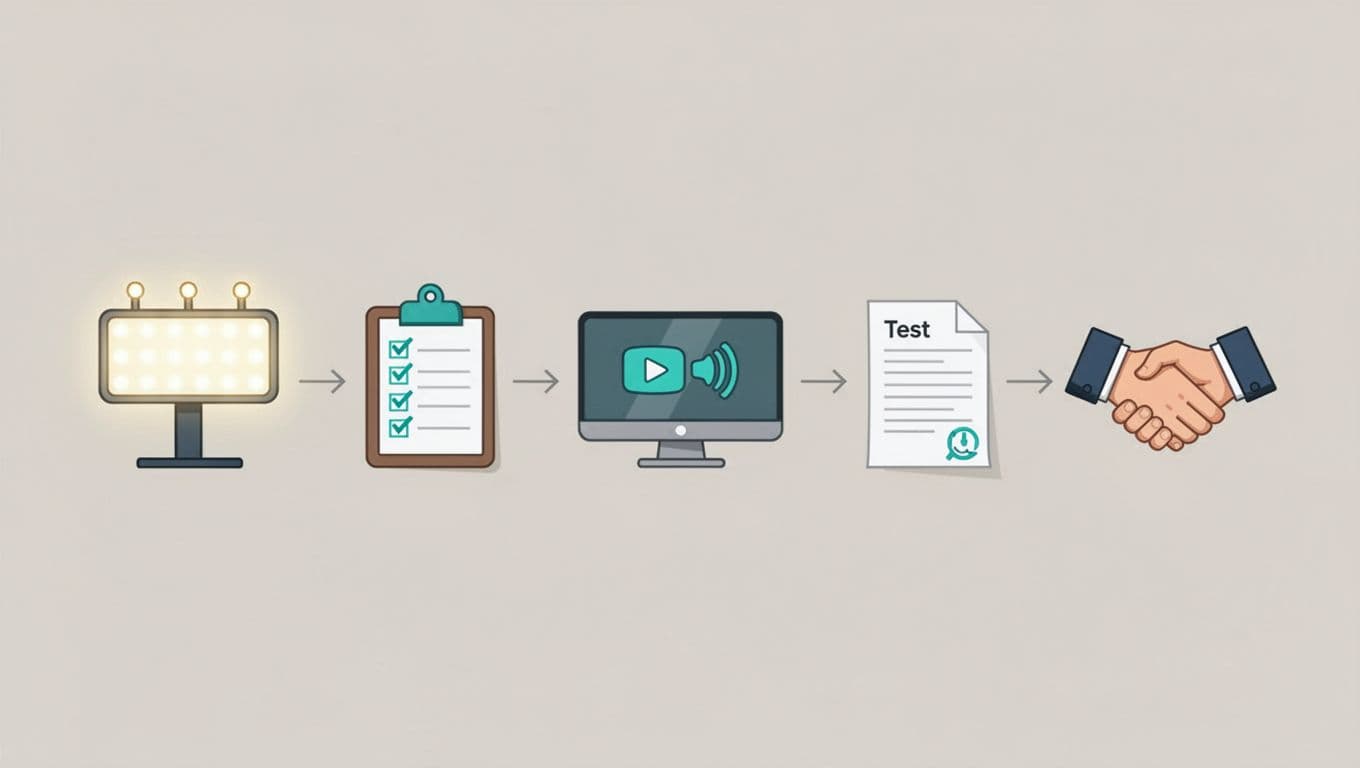
- Write the problem statement first. Define whether you need help with intake, due diligence, monitoring, remediation, or all four.
- Align stakeholders before interviews start. Procurement, legal, security, compliance, and finance should agree on the basics.
- Screen for real-world experience. Ask how they handled a difficult vendor, not just which tools they have used.
- Use a work sample. Give them a short vendor scenario and ask for a risk rating, next steps, and an escalation note.
- Check reporting habits. A good analyst can turn messy vendor data into a clear update for leaders.
- Close with the process. Share scope, growth path, and compensation early. Strong candidates will compare offers fast in 2026.
If you need help defining the role or finding the right candidate pool, Book a Discovery Call with Bud Consulting.
Interview questions that reveal true expertise
A good interview should test thinking, not memorized terms. The best candidates can explain trade-offs without sounding rigid.

Try questions like these:
- Walk through how you would assess a new SaaS vendor with access to customer data.
- How do you decide whether a finding is low, medium, or high risk?
- What do you do when a vendor misses a remediation deadline?
- How do you handle a business owner who wants to bypass review?
- Which framework or regulation has shaped your work the most, and why?
Listen for structure. Strong candidates explain their process, mention evidence, and show they know when to escalate. Weak candidates stay vague or focus only on forms.
Mistakes that slow the hire down
A few hiring mistakes show up again and again.
First, some companies hire for questionnaire volume only. That creates an admin role, not a risk function.
Second, some teams want a senior analyst but offer no authority to push remediation. Without executive support, the role stalls fast.
Third, many job descriptions ask for every framework under the sun. That scares off good candidates and muddies the priority.
Finally, do not skip cross-functional fit. The analyst will spend much of the day working through friction. If they cannot build trust, the process will drag.
Conclusion
Hiring a third-party risk analyst is really about buying clarity. You want someone who can judge vendor risk, keep reviews moving, and help the business make better calls.
When the scope is clear, the process is cleaner, and the interview tests real judgment, the hire becomes much easier. In a year where vendor risk keeps expanding, that kind of precision pays off fast.