table of contents
Your operations team handles daily workflows. They see patterns others miss. But what if a trusted colleague starts acting off? Spotting insider threat indicators early can stop breaches before they start.
Insider risks often come from within. Employees, contractors, or vendors might bypass rules for gain or frustration. Ops teams catch these signs first because they work closest to the action. You need practical training to build that awareness without turning managers into spies.
This guide shows how to teach your team. You’ll get examples, a training framework, and escalation steps. Start with clear signs, then build habits that protect your business.
Key Types of Insider Threat Indicators
Insider threats split into three main areas: behavior, digital activity, and process deviations. Ops teams spot them in everyday interactions. Behavioral cues show mindset shifts. Digital signs appear in logs or access patterns. Process breaks involve rule bending.
Focus training on observation, not accusation. Teach teams to note clusters of signs, not single acts. One late night at work means little. But pair it with data hoarding, and it raises flags.
The CISA Insider Threat Mitigation Guide stresses awareness programs. It says frontline staff form the first defense. Use that in your sessions. Share real-world stats too. Insiders cause 34% of breaches, per Verizon’s reports.
Make sessions interactive. Role-play scenarios where an employee skips approvals. Discuss why it matters. This builds intuition fast.
Train across functions. Security provides data insights. HR covers personal stressors. Managers know team norms. Legal ensures reports stay compliant. Everyone contributes without overlap.
Behavioral Signs Your Team Should Watch For
People leak intent through actions. Ops managers see disengagement first. A top performer skips meetings or snaps at peers. That isolation often ties to bigger issues.
Watch for sudden changes. Someone who once collaborated now hoards tasks. They avoid team chats or security briefings. This disengagement links to bypass attempts. For example, an engineer ignores patch updates, claiming urgency.
Privilege misuse shows up too. A staffer requests admin rights for routine work. Or they delegate sensitive tasks to juniors without cause. These moves seek control.
Contractors act suspicious sometimes. One pushes for off-hours access or probes vendor lists. Tie it to behavior like frequent unexplained absences.

Use analogies in training. Compare it to a teammate nursing an injury. They pull back to hide pain. Insiders do the same with grudges or side plans.
Stress context. A new parent might seem withdrawn from stress, not malice. Look for patterns over weeks. Document facts only: dates, actions, witnesses.
The SEI Common Sense Guide to Mitigating Insider Threats lists awareness training as best practice nine. It recommends metrics to track program success. Apply that here.
Digital and Process Indicators to Flag
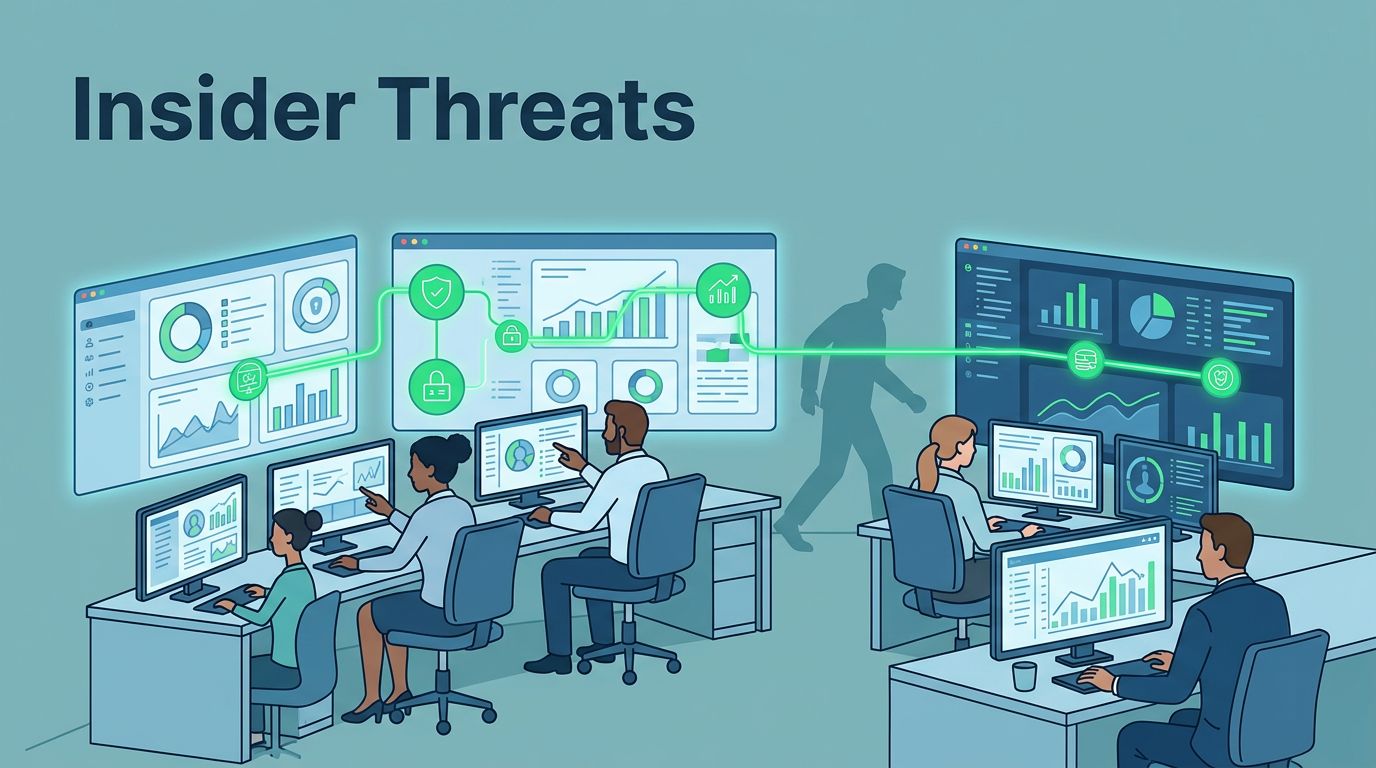
Digital trails reveal intent. Ops teams monitor access logs daily. Unusual requests stand out. An analyst pulls customer data at midnight, outside their role. Or they download files to personal drives.
Data handling anomalies raise alarms. Someone zips large datasets without business need. They use unapproved tools to share externally. These acts skirt detection.
Policy workarounds appear in workflows. A user disables antivirus for “speed.” Or they create shadow accounts to test changes. Privilege escalation follows: borrowing a boss’s login.
Vendors show digital red flags too. A contractor accesses systems post-contract end. Or they scan ports without approval.
Process breaks compound risks. Skipping two-factor auth becomes routine. Teams notice when audits reveal gaps.
Teach log reviews in training. Show sample dashboards. Highlight spikes: 500% access jump to finance folders. Pair with behavior for context.
CISA’s Insider Threat 101 fact sheet urges training on these behaviors. It promotes systems that limit access across functions.
Build a Simple Training Framework
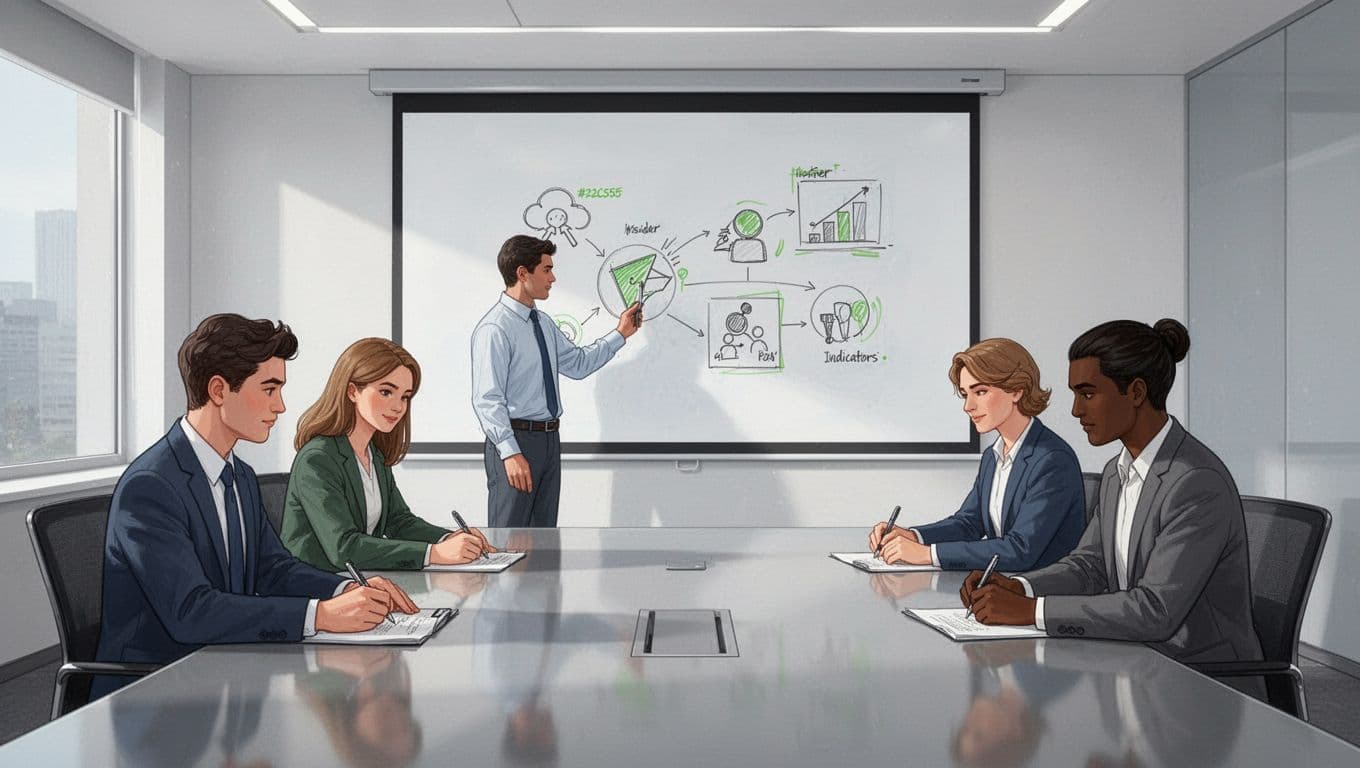
Start with short sessions. Run 45-minute monthly huddles for ops teams. Cover one indicator type per meet. Use slides with examples, not lectures.
First, assess baselines. Quiz teams on current awareness. Then baseline common signs.
Structure like this:
- Review recent incidents anonymously.
- Present two to three examples.
- Role-play responses.
- End with Q&A and commitments.
Involve cross-functions. Security demos tools. HR shares stressor impacts. Compliance reviews reporting rules.
Scale for all levels. New hires get intro modules. Managers learn escalation. Track via quizzes: aim for 80% pass rate.
Make it ongoing. Embed in one-on-ones. Use posters with quick tips near desks.
Resources help. The CDSE insider threat indicators job aid offers printable guides. Adapt for your ops flow.
Measure success. Count reports pre- and post-training. Fewer incidents mean progress.
If gaps persist, book a discovery call with Bud Consulting. We help build security culture.
Best Practices for Escalation and Response
Report fast, but smart. Teach “see something, say something” with guidelines. Escalate to a central team, not peers.
Use a simple protocol:
- Note facts: who, what, when.
- Check for patterns.
- Report to designated lead within 24 hours.
Avoid confrontation. Don’t quiz suspects. That tips them off.
Cross-function triage works best. Security checks tech. HR assesses personal factors. Legal flags liabilities.
Follow up always. Share outcomes anonymously. Builds trust.
Here’s a quick checklist for teams:
| Indicator Type | Examples to Note | Action |
|---|---|---|
| Behavioral | Disengagement, isolation | Document dates and contexts |
| Digital | Unusual access, data exports | Screenshot logs, note times |
| Process | Policy skips, privilege grabs | List deviations and reasons given |

After the table, debrief: patterns confirm risks. Single items often don’t.
The CDSE Insider Threat Awareness Brief covers potential risk indicators. Use it for refreshers.
Balance privacy. Train on civil liberties. Reports stay confidential.
Key Takeaways
Ops teams spot insider threat indicators closest to the source. Train them on behavioral shifts, digital oddities, and process breaks. Use short sessions, role-plays, and cross-team input.
A checklist and clear escalation keep actions consistent. Patterns matter more than isolates.
Build this habit now. Your business stays safer when everyone watches out.