table of contents
Private 5G networks power factories and campuses today. They connect robots, sensors, and edge servers with low latency. Yet these setups create huge attack surfaces. A single weak radio or IoT device can let attackers pivot to your core.
You manage these assets as a CISO or network architect. Traditional scans miss the speed and scale of 5G. Continuous threat exposure management (CTEM) changes that. It spots risks daily, ranks them by real impact, and fixes what matters.
This article covers CTEM strategies tailored to 5G assets like cores, radios, and APIs. You’ll get practical steps to cut exposure without overwhelming your team.
Key Components of 5G Enterprise Network Assets
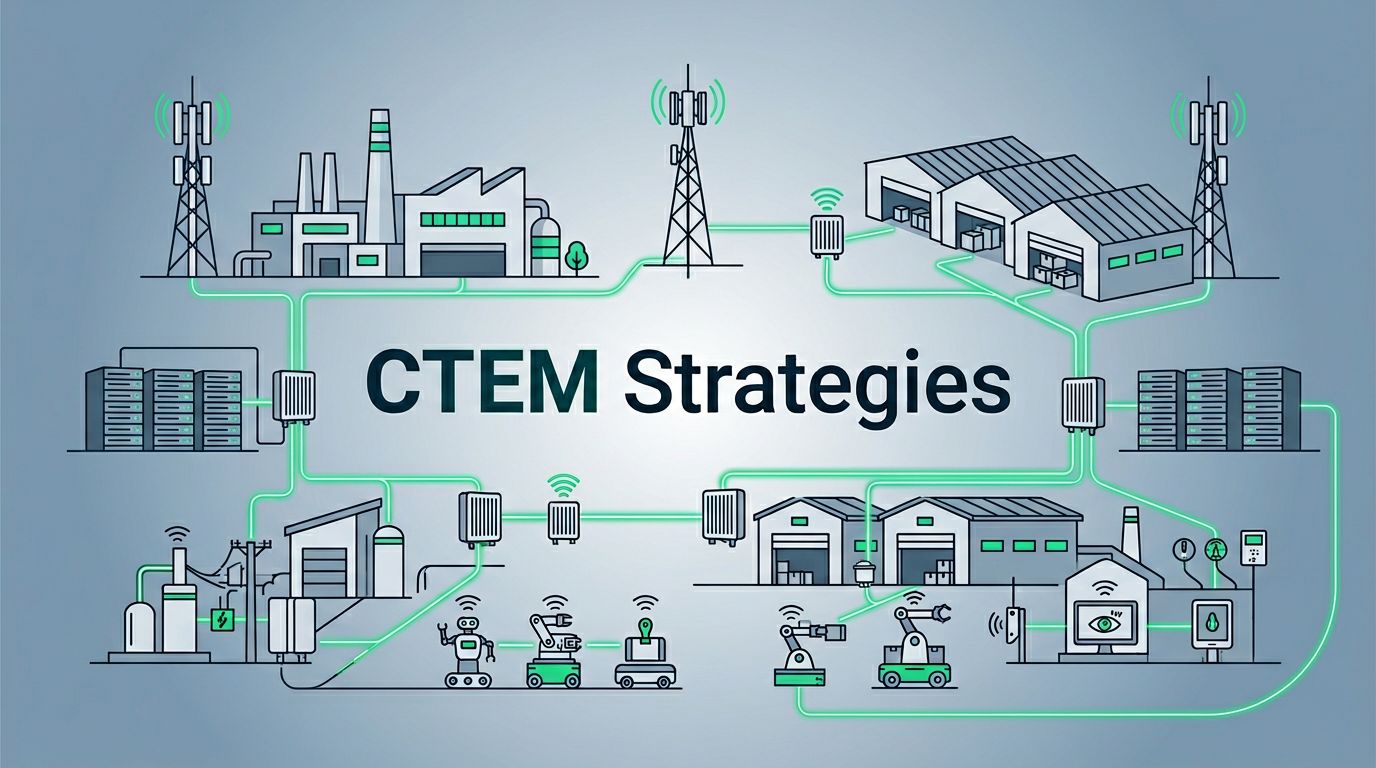
5G enterprise networks differ from Wi-Fi or 4G. They mix telecom gear with IT systems. Private infrastructure lets you control slices for factories or offices.
Core networks route traffic and handle authentication. Radios (gNodeBs) beam signals to devices. Edge servers process data near users for speed. IoT endpoints flood in, from sensors to AGVs. APIs link it all, while management planes configure everything.
These parts create unique risks. For example, a misconfigured radio exposes signaling protocols like that old SS7 flaw. Edge nodes often run containers with weak isolation.
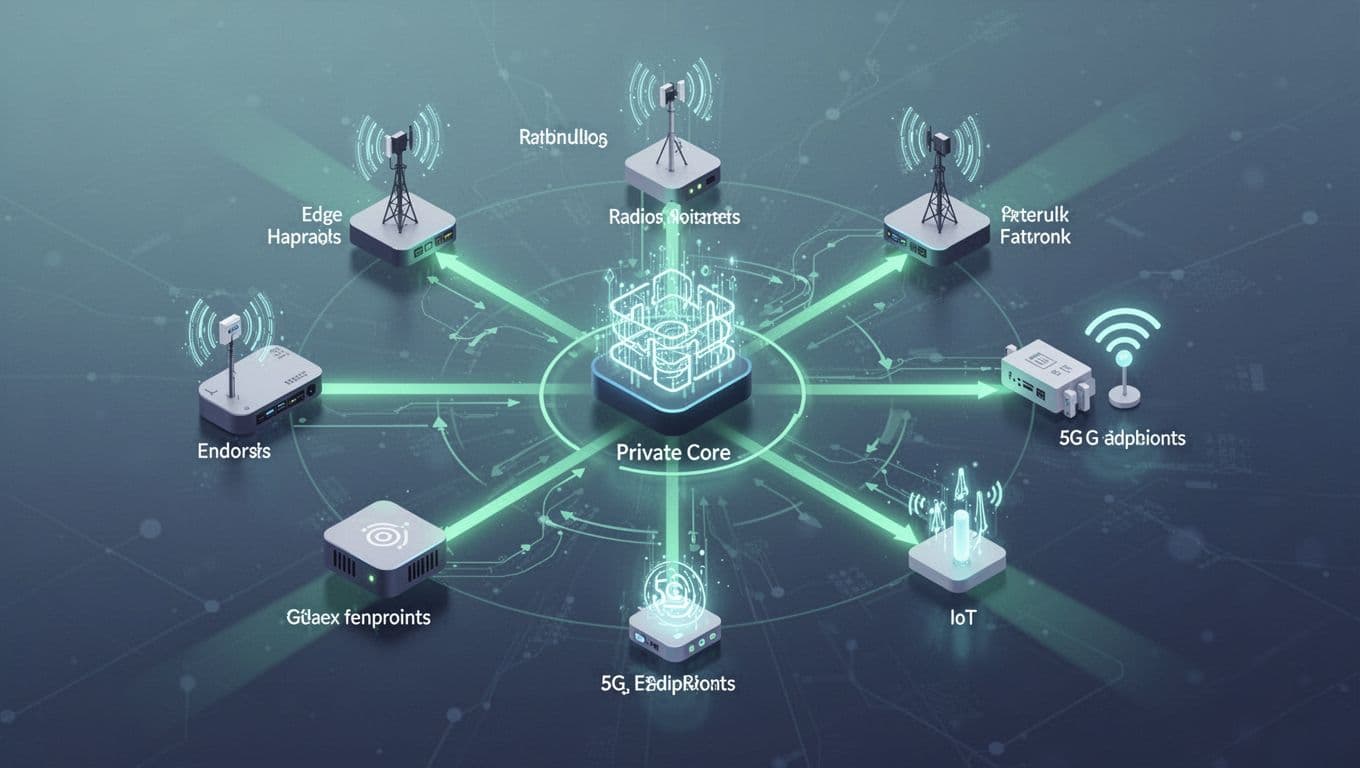
In 2026, private 5G adoption surges in manufacturing. Mercedes uses it for robot timing. Yet security reports highlight exposed APIs and unpatched IoT. Unlike traditional networks, 5G slicing lets one breach spill across tenants.
Start by mapping your assets. List every radio site, core function, and endpoint. Tools now auto-discover via protocols like SNMP or NETCONF. This baseline feeds CTEM.
Governance tip: Assign owners per asset type. Cores fall to telecom teams; IoT to OT groups. Weekly reviews keep inventories fresh.
How CTEM Fits 5G Security Workflows
CTEM runs in cycles: scope, discover, prioritize, validate, mobilize. Gartner outlined this in 2022. By 2026, AI handles most steps, cutting workloads 82%.
For 5G, adapt it to dynamic assets. Slices change hourly; edges scale with load. CTEM loops daily, not quarterly.
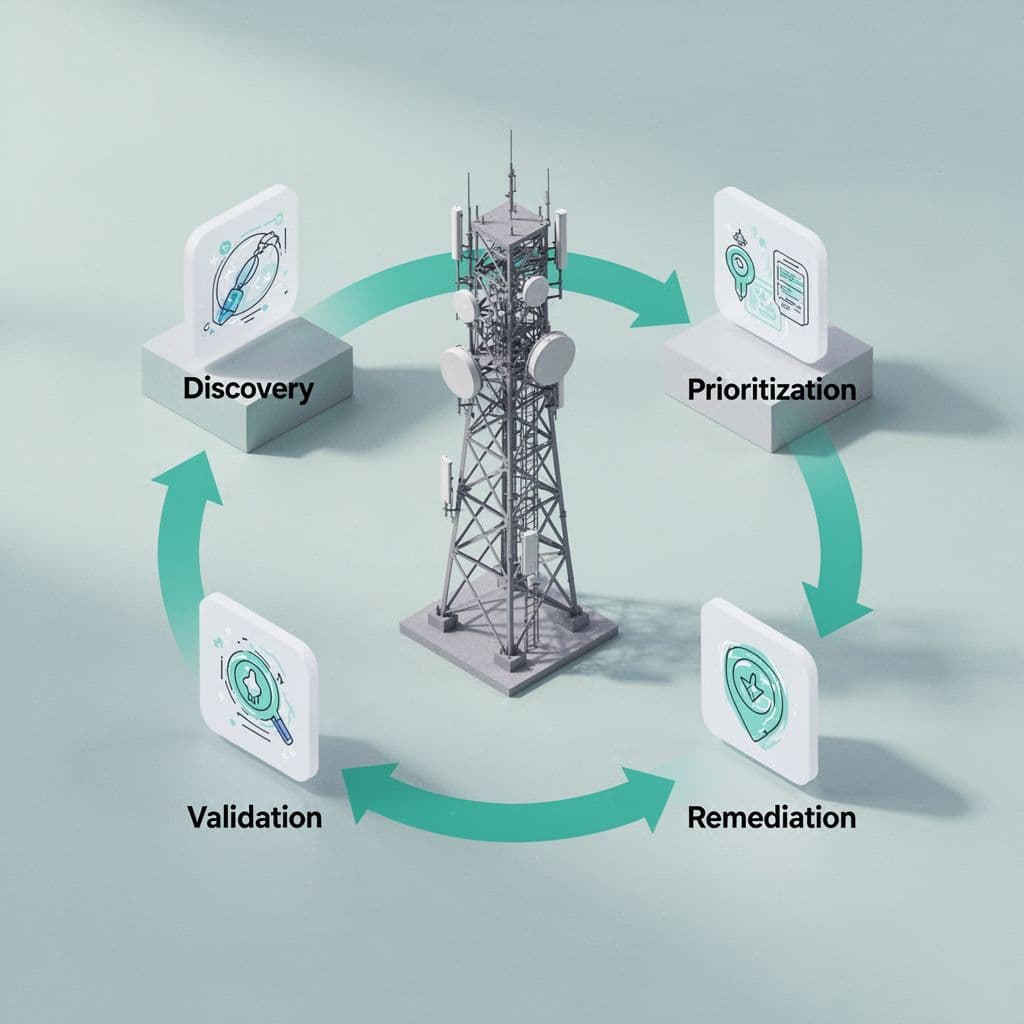
Focus on attack paths, not single vulns. A radio flaw plus weak API equals core access. Gartner’s CTEM stages emphasize this cycle. Prioritize by exploit likelihood and business hit.
Operational note: Integrate with your OSS. Management planes push configs; CTEM pulls exposures. Teams report 50% better visibility this way.
Discovering Exposures in 5G Assets
Discovery starts with full visibility. Traditional scanners choke on 5G scale: millions of IoT packets per second.
Use agentless tools that query radios via O-RAN interfaces. Scan cores for Diameter leaks. Edge devices need container introspection.
In 2026, AI agents map shadows. They find rogue endpoints behind gateways. For APIs, test open endpoints daily.

Real example: A factory’s unmonitored IoT sensors hid misconfigs. Attackers spoofed them to flood slices. Continuous mapping caught it first.
Include management planes. They often expose web UIs to the internet. Check for default creds.
Pro tip: Blend external scans with internal. Public views spot radio exposures; insiders catch core misconfigs. Aim for daily runs.
Prioritizing Risks Unique to 5G
Noise kills teams. You face thousands of alerts. Prioritize by chaining risks to outcomes.
Skip CVSS scores. They ignore 5G context. Rank by EPSS (exploit prediction) plus impact. A high-score vuln on an internal radio? Low priority. Exposed edge API? Fix now.
Build a matrix: business criticality on one axis, reachability on the other.
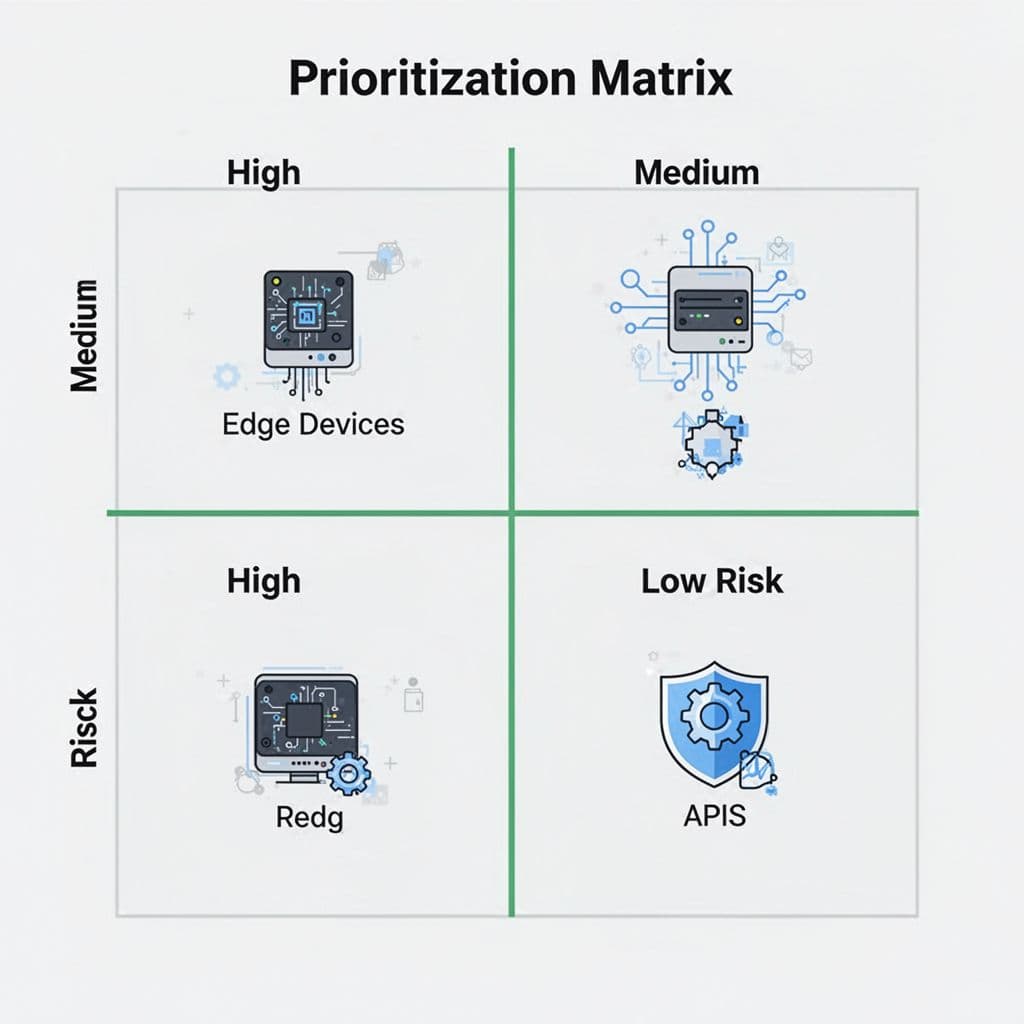
Consider slices. A factory slice hit disrupts production; guest Wi-Fi does not. IoT flaws chain fast via low-auth protocols.
Telecom CTEM stresses threat-informed ranking. Weight by active campaigns on 5G gear.
Set SLAs: Critical paths get 48-hour triage. Track with dashboards shared to execs.
Validating Exposures on Radios and Endpoints
Most “vulns” aren’t exploitable. Validate to prove it.
Simulate attacks. For radios, test signaling floods. IoT? Probe weak auth. Cores face Diameter relays.
Use red-team tools in labs first. Then prod with controls.
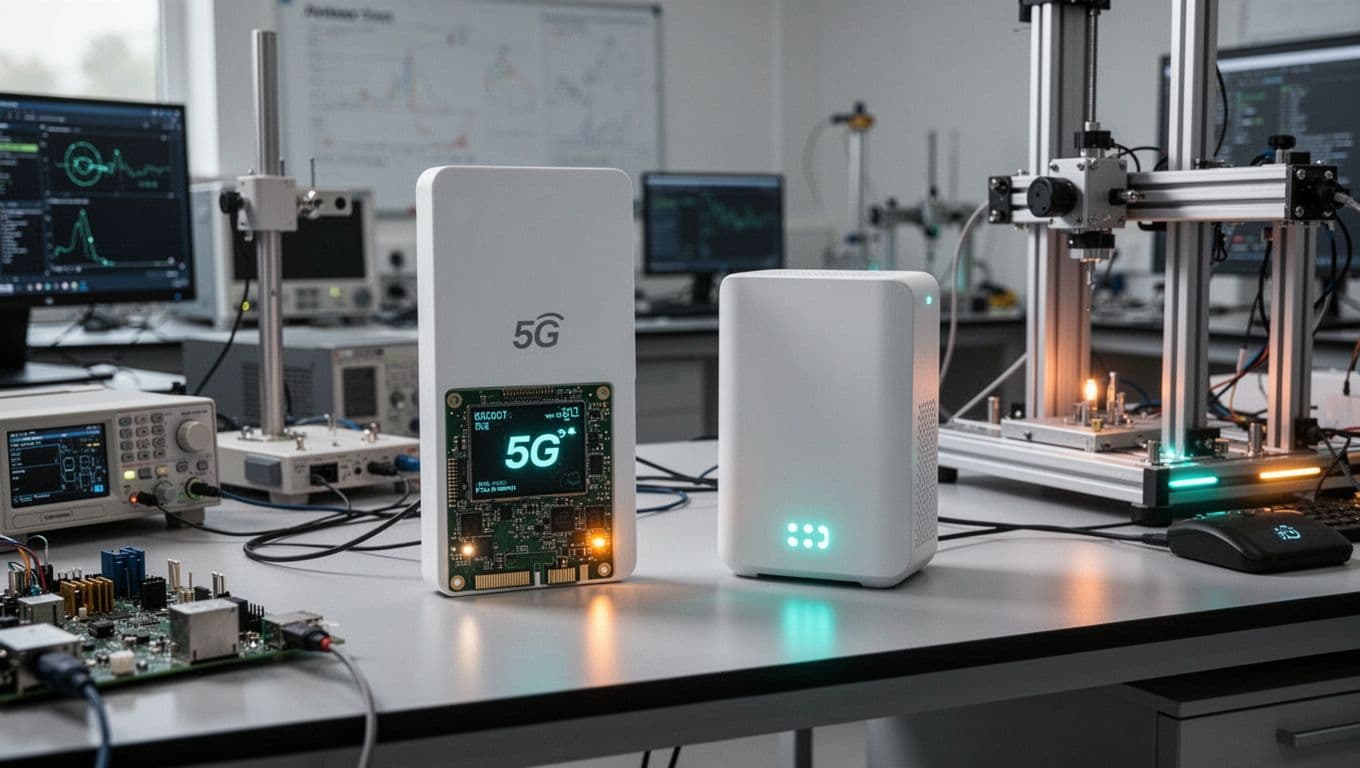
Example: Edge server vuln seemed critical. Validation showed firewall blocks. Saved weeks.
In 2026, AI runs these sims. 96% of teams validate now, per trends. Tie to zero-trust: attest devices before tests.
Document passes and fails. This builds audit trails.
Remediating and Mobilizing Fixes
Fixes must scale. Auto-patch where possible: cores via orchestration, IoT via over-air.
For radios, segment slices tighter. APIs get rate limits and auth.
Mobilize means assign, track, verify. Use ticketing linked to CTEM.
| Asset Type | Common Fix | Timeline |
|---|---|---|
| Radios | Firmware updates, firewall rules | 7 days |
| Edge Devices | Container hardening, isolation | 3 days |
| IoT Endpoints | Group policies, quarantine | 24 hours |
| APIs | WAF rules, token rotation | Immediate |
This table shows quick wins. After fixes, re-validate. Loop closes the cycle.
Challenges arise in ops. Downtime kills factories. Stagger changes; test in shadows.
Private 5G reports urge zero-trust segmentation. It prevents lateral moves.
Governance to Sustain CTEM in 5G Ops
Governance turns CTEM into habit. Define policies: Who scopes slices? Daily discovery mandates?
Cross-train teams. Telecom knows cores; IT handles edges. Joint war rooms for prio.
Metrics matter: Exposure closure rate, MTTR for paths. Dashboards for CISOs.
In 2026, regs like NIS2 push this. Tie to budgets: CTEM cuts breaches 90%.
Vendor note: Audit supply chains. 5G gear has flaws. Demand SBOMs.
If skills gap, book a discovery call with Bud Consulting. They place CTEM experts.
Conclusion
CTEM strategies shrink 5G exposures fast. Discover daily, prioritize by paths, validate exploits, remediate smart.
Your networks run safer now. Teams focus on real threats. Breaches drop as cycles tighten.
Private 5G thrives when secured this way. Start one stage today. Results compound.