


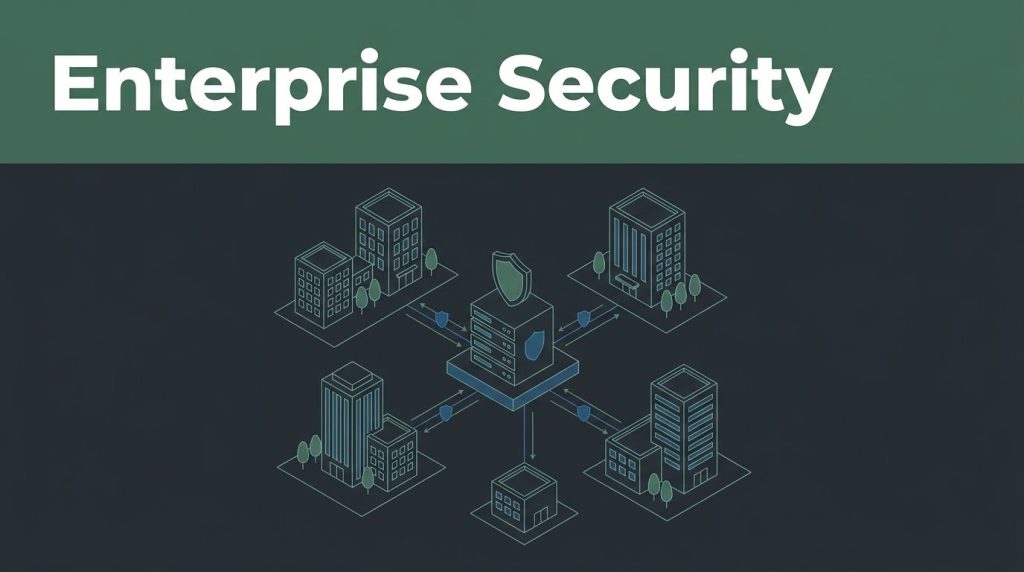
Managing security across multiple corporate locations introduces significant operational friction. Each regional office, branch, or remote site operates with its own local network topology, staffing levels, and hardware lifecycle. When leadership attempts to implement uniform policies across these disparate environments, inconsistency inevitably follows. Local IT teams often bypass central directives to maintain business velocity, leaving blind spots that attackers actively exploit. Specialized enterprise cybersecurity consulting provides the structured framework required to harmonize security controls without stalling daily operations.
Organizations scaling beyond a single headquarters face unique vulnerabilities that standard security products cannot solve alone. Regional branches frequently lack dedicated security personnel, shifting defensive duties onto general IT staff who juggle multiple priorities. Third-party vendors and local contractors plug into regional networks daily, creating unmonitored pathways into the corporate core. Engaging external advisors helps executive leadership establish baseline visibility, align regional compliance requirements, and build a cohesive defense posture across every company facility.
The Multi-Office Security Challenge
Distributed enterprises grow through regional expansion, mergers, and decentralized operations. Each new office brings distinct IT infrastructure, local internet service providers, and legacy systems that resist central management. Centralizing visibility across this sprawling footprint requires an intentional strategy rather than a passive accumulation of security tools. When security teams lack a unified inventory of regional assets, they cannot protect what they cannot see.
Local autonomy often introduces critical configuration drift. A regional office might use secure firewall configurations while a newly acquired branch relies on outdated hardware with default credentials. Attackers probe every perimeter for the weakest entry point, knowing that perimeter defenses vary widely between corporate headquarters and regional field offices.
Regional compliance obligations add another layer of complexity. An enterprise operating across multiple states or international borders must reconcile conflicting privacy laws and industry regulations. Standardizing security policies without accounting for local data sovereignty mandates leads to regulatory penalties or operational blockades. Enterprise cybersecurity consulting bridges this gap by designing governance structures that satisfy central mandates while respecting regional operational constraints.
Standardizing Governance Across Distributed Offices
Governance provides the foundational rules that dictate how an enterprise manages risk, allocates security budgets, and enforces accountability. In a multi-office organization, governance cannot function as a top-down mandate dropped onto resistant regional IT managers. Advisors work with executive leadership to define clear policies that apply universally while allowing local flexibility in execution. This balance prevents shadow IT practices and ensures local teams understand their specific security responsibilities.
Establishing unified governance starts with a formal risk charter and a centralized stakeholder register. Advisors help leadership identify board-level sponsors who articulate risk appetite and business drivers. Once leadership defines the overarching security baseline, consultancies map those requirements to existing enterprise frameworks. Organizations often reference structured guidance like Bitsight cybersecurity frameworks explanation to evaluate how standard security benchmarks apply across distributed business units.

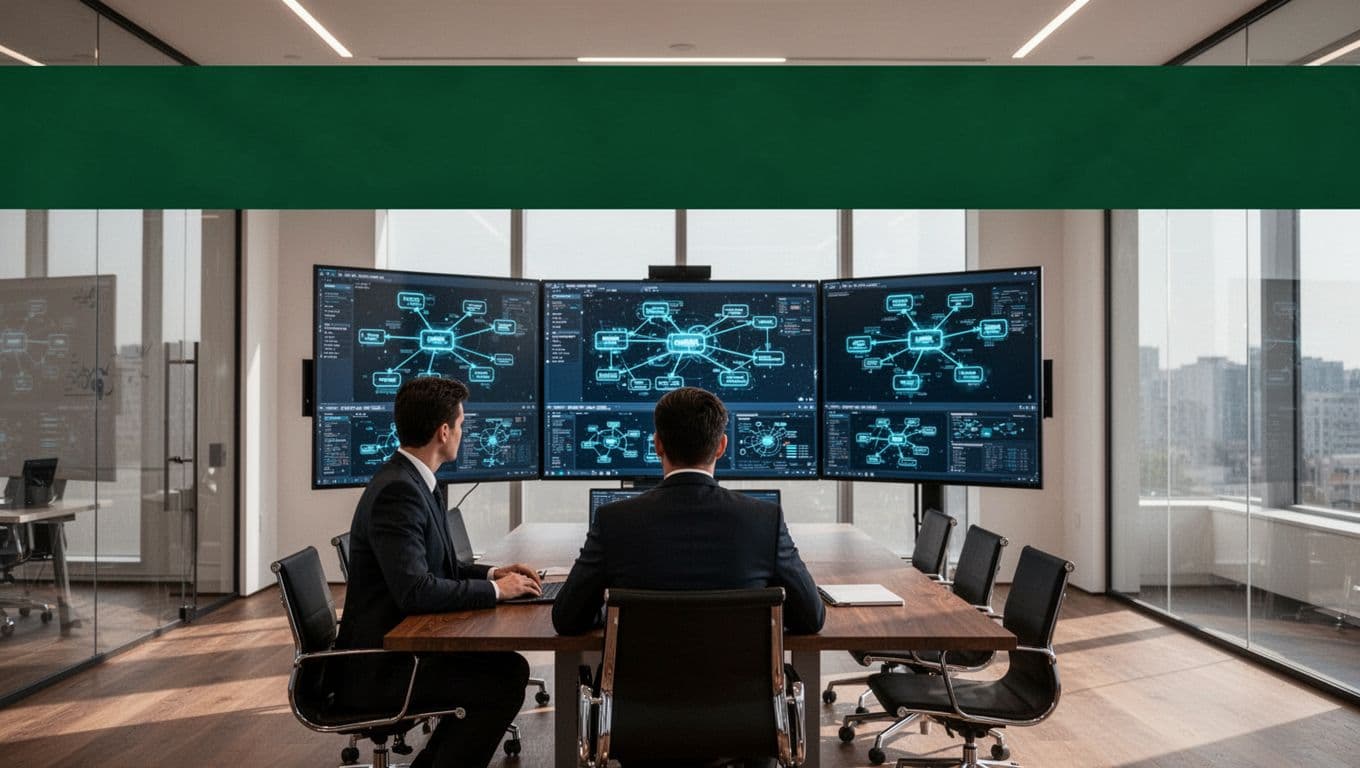
Standardized governance eliminates redundant security spending across regional offices. Instead of each branch purchasing separate point solutions for endpoint protection or vulnerability scanning, enterprise consultants design centralized license agreements and unified deployment pipelines. This centralized approach reduces administrative overhead and ensures every office receives identical threat intelligence feeds.
Framework Alignment and Regulatory Overlays
Regulatory compliance demands rigorous documentation and verifiable control implementation across every office location. Enterprises must prove compliance not just at headquarters, but at every regional hub handling sensitive customer data or intellectual property. External advisors evaluate existing infrastructure against established benchmarks such as the NIST Cybersecurity Framework, ISO 27001, or SOC 2 standards.
Mapping controls to recognized standards helps organizations satisfy auditors and enterprise clients alike. Leadership can examine detailed breakdowns of Cybersecurity governance guidance to understand how structured oversight protects information assets across complex corporate networks. Consultants design control frameworks that accommodate overlapping regulations without duplicating effort.
Local regulatory overlays require careful navigation during multi-site deployments. If a European subsidiary handles citizen data subject to strict privacy laws, local technical controls must reflect those requirements even while feeding data into a global Security Operations Center. Consultancies construct regional compliance profiles that plug directly into the broader enterprise governance model, ensuring total visibility without violating local data protection statutes.
Core Deliverables from Enterprise Consultancies
Engaging professional advisors produces concrete documentation and actionable architecture blueprints that internal teams use for years. Enterprise cybersecurity consulting engagements yield specific artifacts designed to harden distributed infrastructure, prioritize capital allocation, and guide technical implementation across every regional office.

Comprehensive risk assessments form the bedrock of any advisory engagement. Consultants evaluate external attack surfaces, internal network segmentation, and endpoint security postures across all operating locations. These assessments identify hidden vulnerabilities, misconfigured cloud tenants, and unauthorized access points that automated tools frequently overlook.
Security roadmaps translate assessment findings into prioritized project phases. Instead of overwhelming regional IT departments with dozens of simultaneous remediation tasks, advisors sequence projects based on risk reduction impact and resource availability. Early phases typically focus on core fundamentals like multifactor authentication enforcement, centralized logging, and privileged access management.
Architecture reviews examine how regional offices connect to the corporate network and cloud environments. Consultants evaluate software-defined wide area network topologies, secure remote access gateways, and branch office firewall rules. These reviews ensure that data moving between offices remains encrypted and protected against interception.
Incident response plans define clear escalation paths and responsibilities when a security event occurs at a regional facility. Because a breach at a remote branch can compromise the entire enterprise, incident playbooks establish precise protocols for isolating affected systems, notifying legal counsel, and preserving forensic evidence.
Security Operations Center optimization consulting ensures that monitoring tools deployed across regional offices feed accurate telemetry into a centralized dashboard. Advisors tune detection rules to reduce false positives, allowing security analysts to focus on genuine threats rather than routine noise.
Addressing Local Operational Realities
Every office location possesses distinct operational rhythms and technical constraints. A manufacturing plant with legacy operational technology systems requires different security considerations than a downtown sales office running modern cloud applications. Enterprise consultants design security controls that adapt to these operational realities rather than forcing a rigid, one-size-fits-all template.
Legacy systems present a persistent challenge during multi-office standardization efforts. Older machinery or specialized industrial control systems often cannot run modern endpoint protection agents without risking operational failure. Advisors help organizations implement compensating controls such as network segmentation, strict firewall rules, and out-of-band monitoring to protect legacy assets without disrupting production schedules.
Bandwidth limitations at remote branch offices also influence security design. Routing all regional internet traffic back through a central corporate gateway can overwhelm network capacity and degrade application performance for local employees. Consultants evaluate distributed security architectures like secure access service edge models, allowing branch offices to inspect local internet traffic safely without bottlenecking enterprise networks.
Staffing shortages at regional facilities require practical solutions. When small branch offices lack dedicated security personnel, consultancies help structure managed detection and response relationships. These managed services provide 24/7 monitoring capabilities that protect remote locations without forcing enterprises to hire specialized security staff in every regional market.
Evaluating External Advisory Partners
Selecting the right advisory firm requires careful scrutiny of past performance, technical depth, and industry reputation. Enterprise leaders must look beyond marketing claims and evaluate how prospective consultants handle large-scale organizational complexity. Procurement stakeholders and Chief Information Security Officers should pose targeted questions during the evaluation process to verify capabilities.
What experience does the consultancy have with organizations operating similar office footprints and hybrid infrastructure models? Prospective partners must demonstrate a proven track record of managing multi-site transformations without causing operational downtime.
How do the advisors bridge the gap between executive risk appetite and regional technical implementation? The right partner speaks fluent corporate strategy while remaining capable of configuring enterprise firewall rules and identity providers.
What specific methodologies do they use for continuous threat exposure management and risk prioritization? Advisors should rely on structured, repeatable processes rather than ad-hoc testing methods.
Are their consultants certified in recognized industry standards such as CISSP, CISA, or relevant cloud security designations? Certifications validate baseline knowledge, while practical enterprise experience ensures execution quality.
How do they measure and report remediation progress to board-level stakeholders? Effective consultancies provide transparent metrics that demonstrate tangible risk reduction over time.
Organizations exploring governance structures often review frameworks outlined in resources covering Portnox cybersecurity governance framework overview to align internal expectations before issuing formal requests for proposal. Clear evaluation criteria protect the enterprise from engaging vendors who lack the specialized scale required for distributed multi-office environments.
Measuring Success Through Security KPIs
Tracking security performance across multiple offices requires metrics that reflect genuine risk reduction rather than superficial activity counts. Traditional reporting often relies on vanity metrics like the number of blocked connection attempts or completed scan reports. Executive leadership needs concrete indicators that demonstrate how advisory investments improve enterprise resilience.
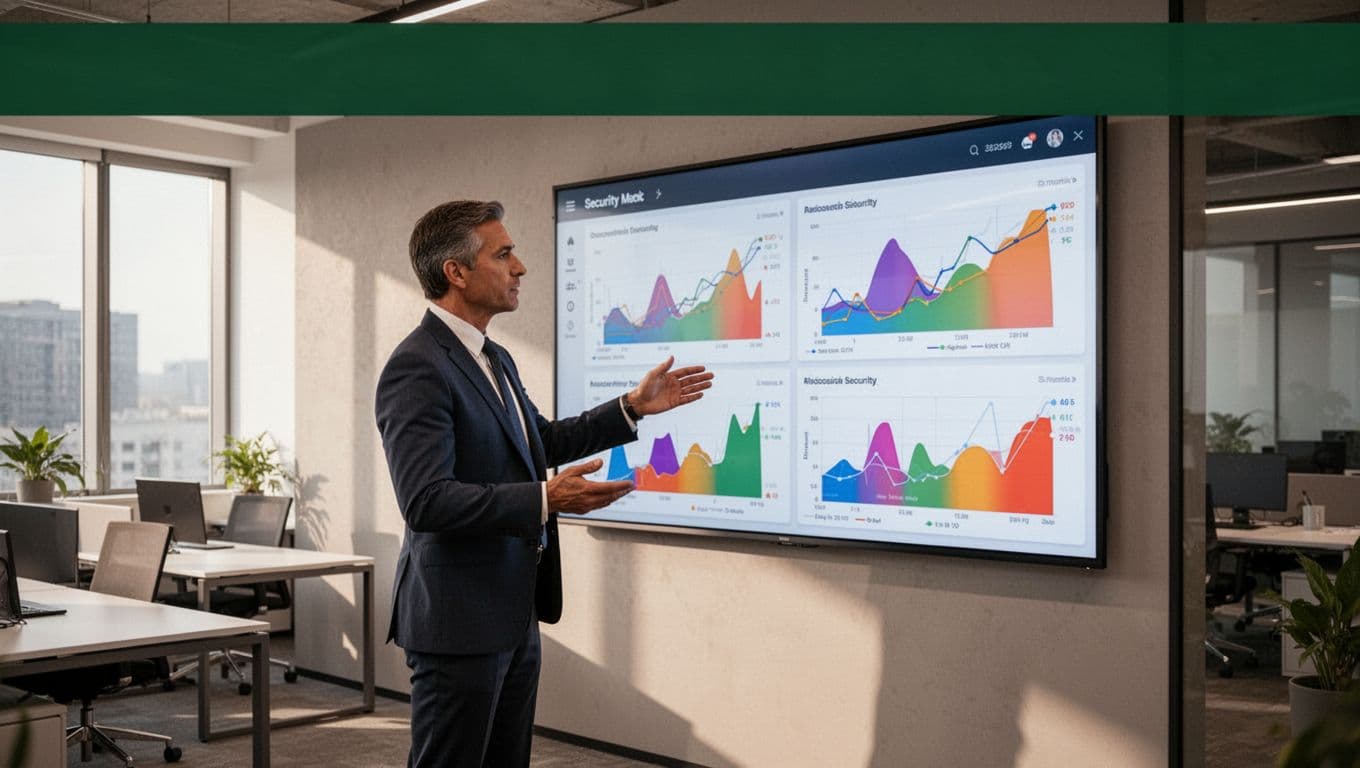
Mean time to detect and mean time to respond measure the efficiency of incident detection and containment across all regional locations. Shorter response times indicate that centralized monitoring and regional playbooks function effectively together.
Vulnerability remediation velocity tracks how quickly identified security flaws are patched across different office environments. A low remediation velocity in specific regional branches highlights training gaps or resource constraints that require administrative intervention.
Identity and access governance metrics measure compliance with privileged access policies. Tracking the percentage of accounts utilizing multifactor authentication and reviewing inactive privileged credentials prevents unauthorized lateral movement across regional networks.
Security awareness training completion rates and phishing simulation susceptibility scores quantify human risk across distributed workforces. Monitoring these metrics by office location identifies regions requiring targeted educational interventions.
Compliance audit readiness measures the enterprise’s ability to produce required control evidence rapidly during regulatory reviews. Successful advisory engagements streamline audit preparation, reducing the time internal teams spend gathering compliance documentation.
Establishing clear key performance indicators ensures that enterprise cybersecurity consulting investments deliver measurable value. Leadership gains the visibility needed to make informed security decisions across every corporate location, protecting institutional assets without sacrificing operational agility. To discuss your organization’s multi-office security strategy, Book A Call With Us to connect with our advisory team.
Conclusion
Securing an enterprise with multiple offices demands disciplined governance, standardized controls, and adaptive regional execution. Standard security products cannot bridge the operational gaps between corporate headquarters and remote branch locations without a unified strategy. External advisors provide the objective expertise needed to assess vulnerabilities, build comprehensive roadmaps, and align regulatory compliance across every facility.
Measuring success through concrete operational metrics ensures that security investments translate directly into reduced organizational risk. Leadership gains complete visibility and control over distributed infrastructure without sacrificing business velocity. Evaluating advisory partners carefully helps organizations build lasting resilience against evolving cyber threats.